
Non-fiction
- How to Raise an Antiracist
![How to Raise an Antiracist]()
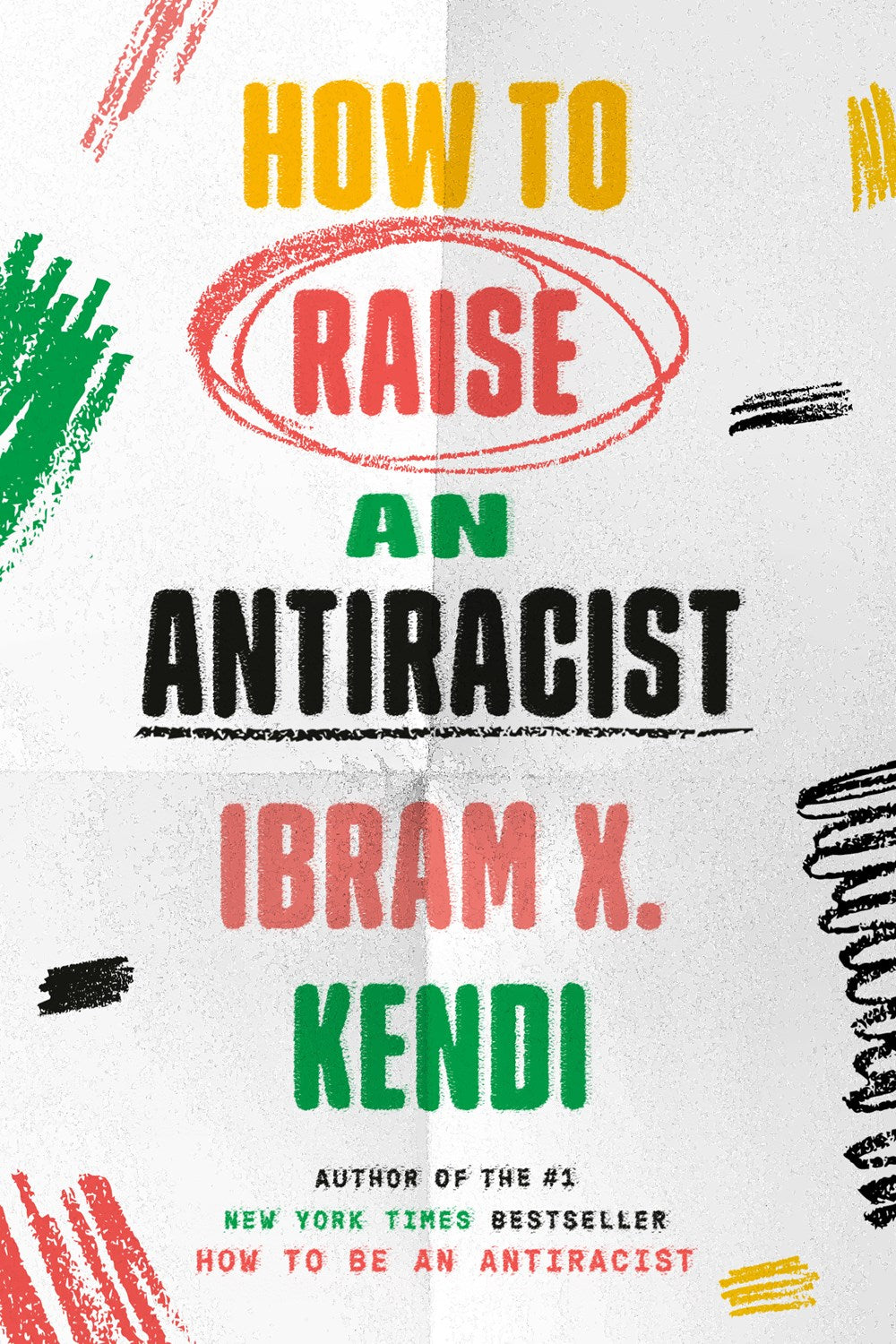
How to Raise an Antiracist
by Ibram X. Kendi
from $18.00*Ships in 7-10 Business Days*
The book that every parent, caregiver, and teacher needs to raise the next generation of antiracist thinkers, from the #1 New York Times bestselling author of How to Be an Antiracist and recipient of the MacArthur “Genius” Grant.
The tragedies and reckonings around racism that are rocking the country have created a specific crisis for parents, educators, and other caregivers: How do we talk to our children about racism? How do we teach children to be antiracist? How are kids at different ages experiencing race? How are racist structures impacting children? How can we inspire our children to avoid our mistakes, to be better, to make the world better?
These are the questions Ibram X. Kendi found himself avoiding as he anticipated the birth of his first child. Like most parents or parents-to-be, he felt the reflex to not talk to his child about racism, which he feared would stain her innocence and steal away her joy. But research and experience changed his mind, and he realized that raising his child to be antiracist would actually protect his child, and preserve her innocence and joy. He realized that teaching students about the reality of racism and the myth of race provides a protective education in our diverse and unequal world. He realized that building antiracist societies safeguards all children from the harms of racism.
Following the accessible genre of his internationally bestselling How to Be an Antiracist, Kendi combines a century of scientific research with a vulnerable and compelling personal narrative of his own journey as a parent and as a child in school. The chapters follow the stages of child development from pregnancy to toddler to schoolkid to teenager. It is never too early or late to start raising young people to be antiracist. - Revolution in Our Time: The Black Panther Party’s Promise to the People
![Revolution in Our Time: The Black Panther Party’s Promise to the People]()
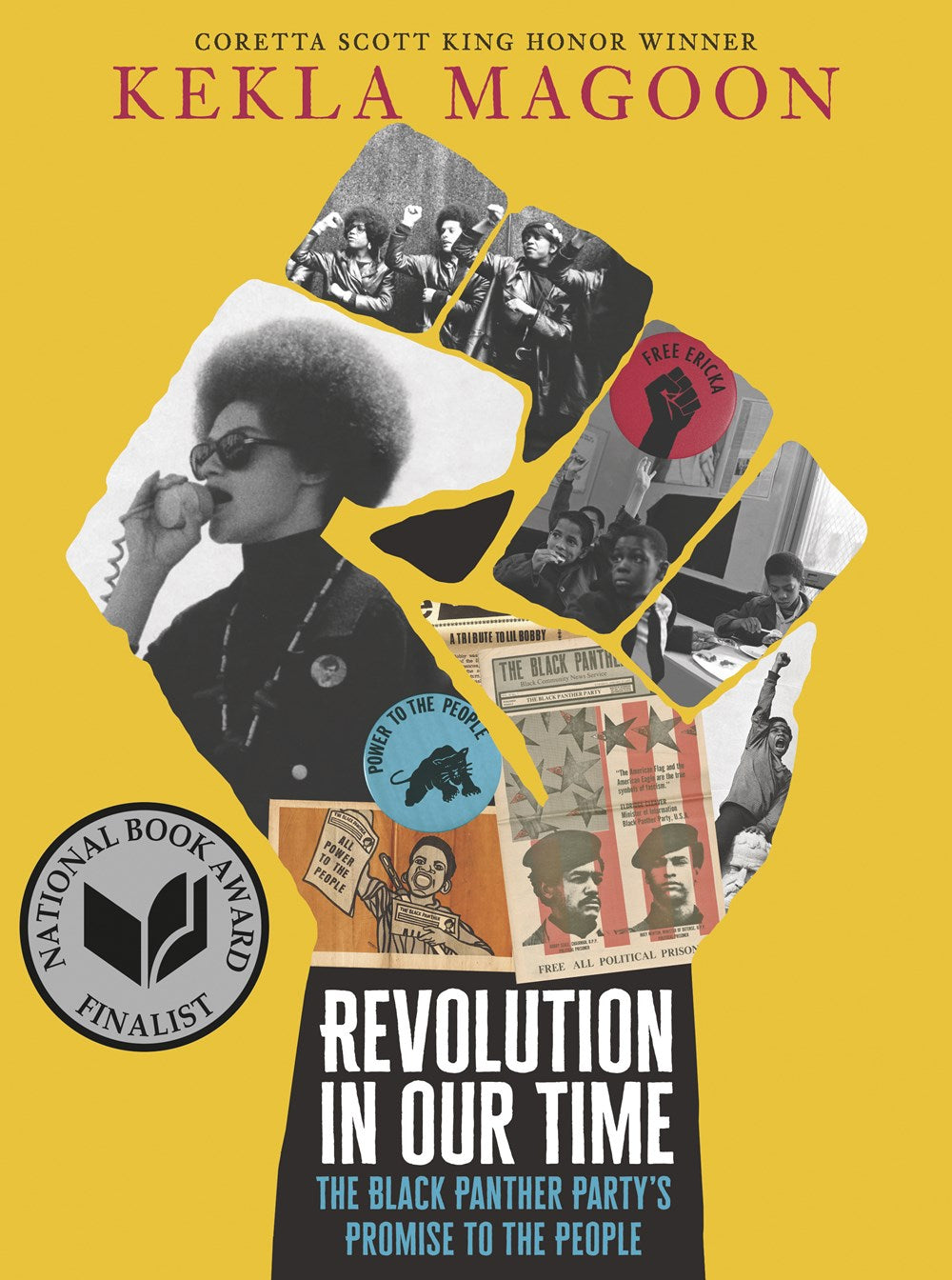
Revolution in Our Time: The Black Panther Party’s Promise to the People
by Kekla Magoon
$24.99A 2021 National Book Award Finalist
With passion and precision, Kekla Magoon relays an essential account of the Black Panthers—as militant revolutionaries and as human rights advocates working to defend and protect their community.
In this comprehensive, inspiring, and all-too-relevant history of the Black Panther Party, Kekla Magoon introduces readers to the Panthers’ community activism, grounded in the concept of self-defense, which taught Black Americans how to protect and support themselves in a country that treated them like second-class citizens. For too long the Panthers’ story has been a footnote to the civil rights movement rather than what it was: a revolutionary socialist movement that drew thousands of members—mostly women—and became the target of one of the most sustained repression efforts ever made by the U.S. government against its own citizens.
Revolution in Our Time puts the Panthers in the proper context of Black American history, from the first arrival of enslaved people to the Black Lives Matter movement of today. Kekla Magoon’s eye-opening work invites a new generation of readers grappling with injustices in the United States to learn from the Panthers’ history and courage, inspiring them to take their own place in the ongoing fight for justice. - The Sum of Us
![The Sum of Us]()
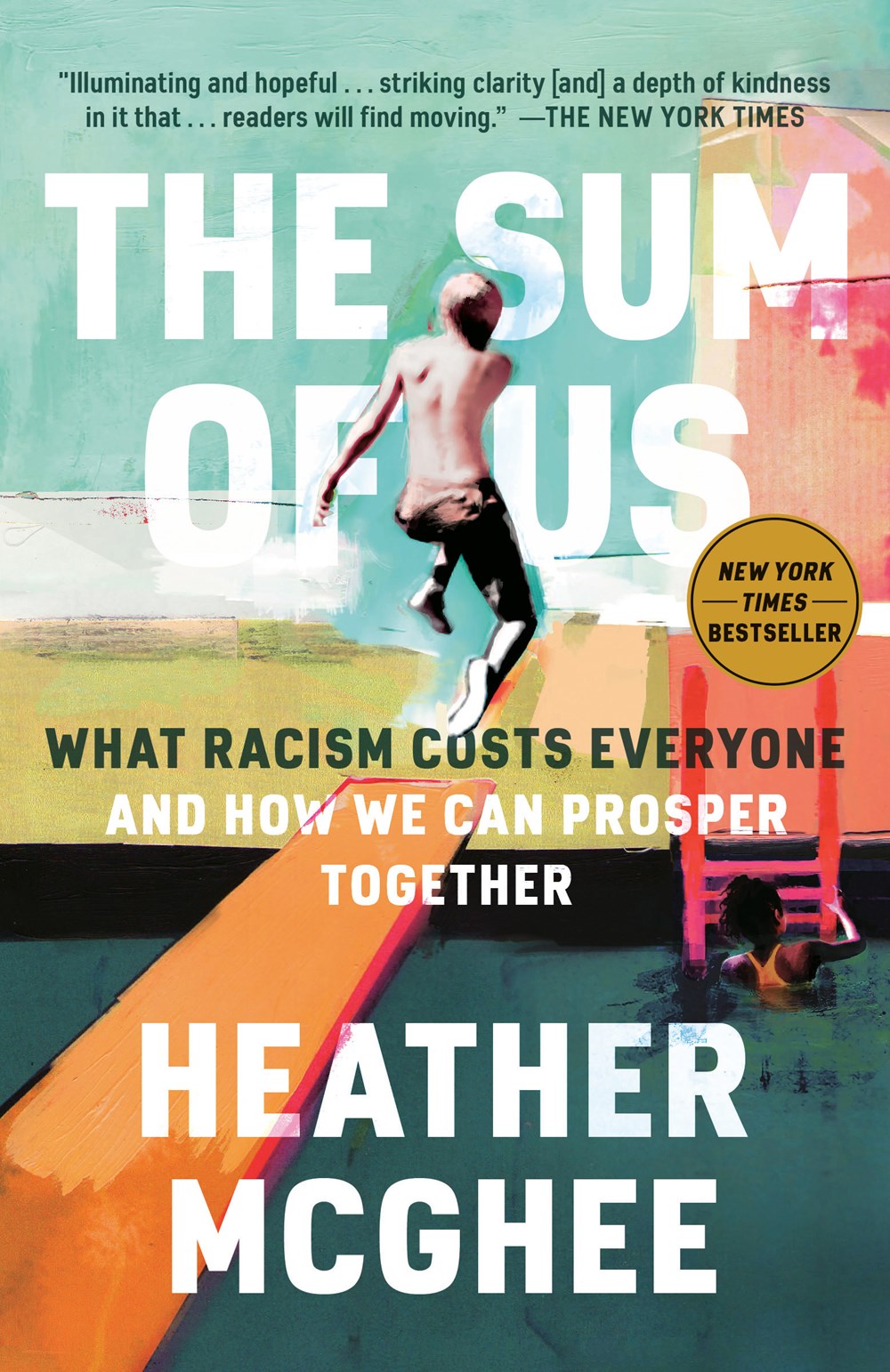
The Sum of Us
by Heather McGhee
$18.00
“This is the book I’ve been waiting for.”—Ibram X. Kendi, #1 New York Times bestselling author of How to Be an Antiracist
Heather C. McGhee’s specialty is the American economy—and the mystery of why it so often fails the American public. As she dug into subject after subject, from the financial crisis to declining wages to collapsing public infrastructure, she found a common problem at the bottom of them all: racism—but not just in the obvious ways that hurt people of color. Racism has costs for white people, too. It is at the core of the dysfunction of our democracy and even the spiritual and moral crises that grip us. Racism is a toxin in the American body and it weakens us all. But how did this happen? And is there a way out? To find the way, McGhee embarks on a deeply personal journey across the country from Mississippi to Maine, tallying up what we lose when we buy into the zero-sum paradigm—the idea that progress for some of us must come at the expense of others.
The Sum of Us is a brilliant analysis of how we arrived here: divided and self-destructing, still the richest country in the world, but spiritually starved and vastly unequal. At the heart of the book are the humble stories of Americans yearning to be a part of a better America, including white supremacy’s collateral victims: white people themselves. With startling empathy, this heartfelt message from a Black woman to a multiracial America leaves us with a vision for the future of our country—one whose population has ties to every place on the globe—where we finally realize that life can be so much more than zero-sum. - White Feminism
![White Feminism]()
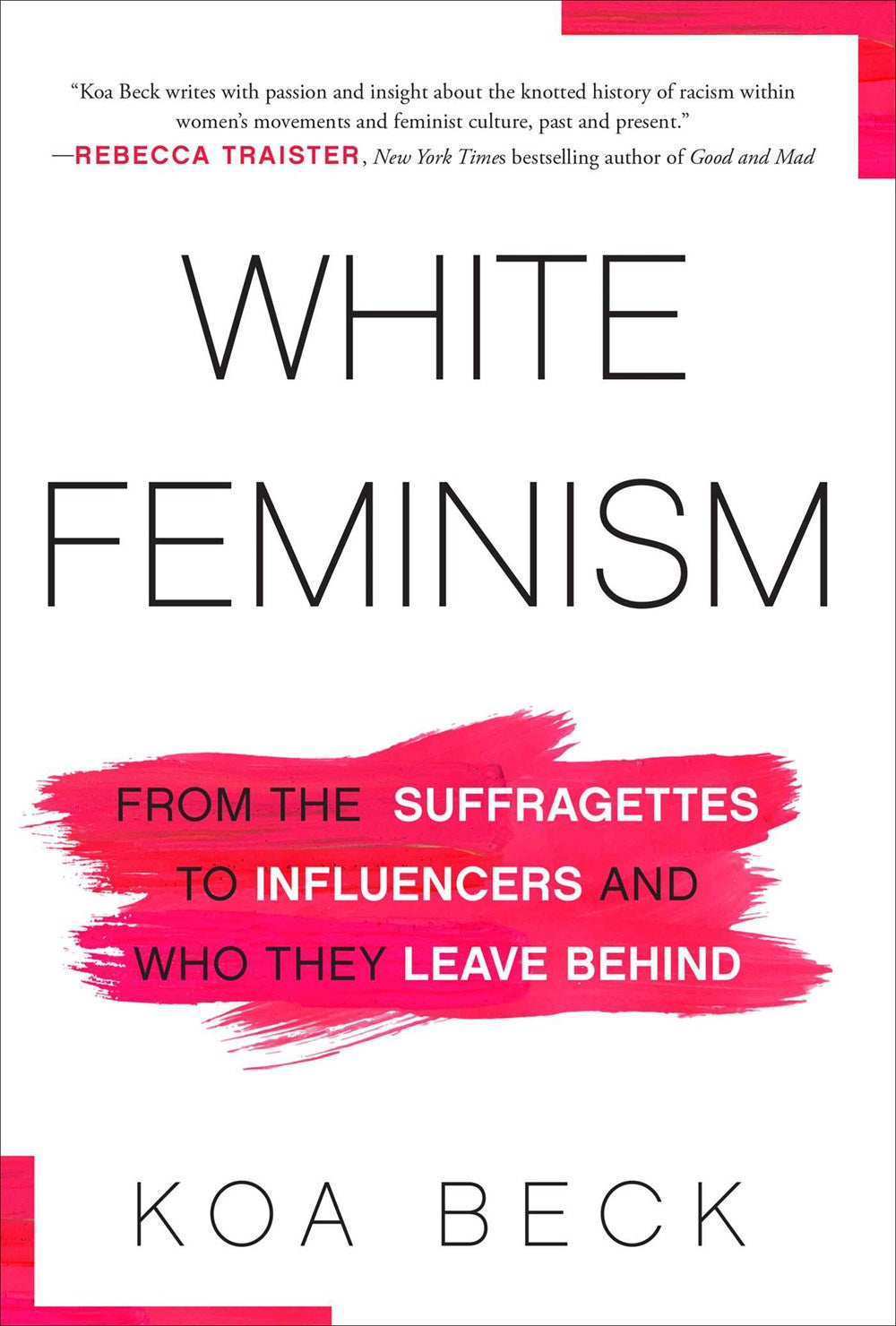
White Feminism
by Koa Beck
$17.00*Ships in 7-10 Business Days*
Addressing today’s conversation about race, empowerment, and inclusion in America, Koa Beck, writer and former editor-in-chief of Jezebel, boldly examines the history of feminism, from the true mission of the suffragists to the rise of corporate feminism with clear-eyed scrutiny and meticulous detail. She also examines overlooked communities—including Native American, Muslim, transgender, and more—and their ongoing struggles for social change.
- Radical Tenderness: A Journey Back to Me - How to Pause, Heal, and Come Home to Yourself
![Radical Tenderness: A Journey Back to Me - How to Pause, Heal, and Come Home to Yourself cover image]()

Radical Tenderness: A Journey Back to Me - How to Pause, Heal, and Come Home to Yourself
$23.99Radical Tenderness is a sacred invitation to slow down, soften, and return to yourself.
Blending personal narrative, gentle guidance, and reflective practices, Dr. Lakeisha Gatling offers a deeply human exploration of what it means to heal after years of surviving, striving, and carrying more than your share. Through stories of childhood responsibility, anxiety, grief, faith, identity, and rediscovering her own voice, she illuminates the quiet ways we learn to shrink, over-function, or stay strong at the expense of our own well-being.
With honesty and compassion, she guides readers through the tender terrain of unlearning hyper-independence, honoring the younger self, reclaiming emotional safety, and choosing healing as a daily act of self-love. Each chapter offers invitations to pause, breathe, reflect, and reconnect with the parts of yourself that have long been silenced or overlooked.
This book is not a manual—it’s a mirror. A soft landing. A companion for anyone who has ever whispered their pain, hidden their needs, or believed they had to hold everything together alone.
Radical Tenderness reminds you that your healing matters, your story deserves space, and you are worthy of rest, softness, and radical self-compassion.
- Malcolm in the Desert: Wisdom from the Spiritual Transformation of Malcolm X
![Malcolm in the Desert: Wisdom from the Spiritual Transformation of Malcolm X cover image]()

Malcolm in the Desert: Wisdom from the Spiritual Transformation of Malcolm X
$27.00Powerful self-transformation practices for navigating an increasingly uncertain world inspired by Malcolm X’s final years, written by his daughter, Ilyasah Shabazz.
When Malcolm X left the Nation of Islam and set out on a pilgrimage to Mecca in 1964, he did more than cross geographic borders–he transformed his vision of faith, justice, and freedom. In Malcolm in the Desert, his daughter Ilyasah Shabazz invites us to walk beside him on that journey of spiritual transformation. In retracing his steps, she helps us see how the work of changing the world so often begins within.
In Malcolm in the Desert, Shabazz reframes pilgrimage as a modern practice. She extracts keen lessons from her father’s life and legacy that show us the value of slowing down, listening deeply, and remembering who we truly are. Shabazz calls us to respond to crisis with courage, to meet grief with love, to rediscover faith as a creative force for change, and to dream in more revolutionary colors. These pages paint a new picture of Malcolm X through compassionate prose and galvanizing historical insight that shine alongside Jungian, Buddhist, and Islamic principles and wisdom from leading poets and scholars. Shabazz ties it all together with simple practices to help us answer three central questions: Who are you? What do you care about? What is yours to do?
Malcolm in the Desert reveals the human heart of a legend. It is a reminder of the outer challenges we all face and the inner work it takes to be a light in an unstable world. It is both a daughter’s offering to her father’s legacy and a compassionate guide for anyone seeking direction through the deserts of their own becoming.
- African Americans of Houston (Images of America)
![African Americans of Houston (Images of America) cover image]()

African Americans of Houston (Images of America)
$24.99Texas is a Southern state, and in many ways, Houston is a typical Southern city. While Houston did not experience the types or degrees of racial violence found in other Southern cities during the Jim Crow era, black Houstonians nonetheless found themselv
- Why Do We Exist?: The Nine Realms of Universe that Make You Possible
![Why Do We Exist?: The Nine Realms of Universe that Make You Possible cover image]()

Why Do We Exist?: The Nine Realms of Universe that Make You Possible
$32.00A boundary-breaking astrophysicist reimagines the universe—and our place within it—in this audacious journey through the Nine Realms of the cosmos.
The universe gave rise to everything: stars and cells, minds and memories, purpose and pain. But it doesn’t care about us. It follows its own rules. And now, according to Dr. Hakeem Oluseyi, we finally understand enough about those rules to ask the big questions like we mean it: Why do we exist? Are we alone? How did we get here? What comes next? And—perhaps most urgently—is there reason to hope?
Heck yeah, there is!
Dr. Oluseyi is no ordinary scientist. A former street kid turned world-renowned cosmologist, he realized something bold: The story of existence can be told as a passage through nine interwoven realms—each revealing a new layer of cosmic truth.
There’s the Middle Realm, where we live; the Realm of Life, where organisms flourish across the vastness of space; the Cosmological Realm, where galaxies dance and collide; the Dark Realm, dominated by unseen energy and invisible forces; the Quantum Realm, where reality defies intuition; the Temporal Realm, where time begins, flows, and perhaps ends; the Multiverse Realm, where our universe may be one among many; the Realm Beyond Horizons, where observation breaks down; and the Realm of Imagination, where insight, curiosity, and creativity shape our understanding of it all.
In Why Do We Exist?, Dr. Oluseyi cracks open these realms with clarity, humor, and radical honesty, bridging cutting-edge physics, personal narrative, and philosophy. The result is a blueprint for understanding reality itself and a surprising case for human potential in an indifferent cosmos.
This isn’t just a science book. It’s a survival manual for the universally curious.
- The Fire Inside: The Dharma of James Baldwin and Audre Lorde
![The Fire Inside: The Dharma of James Baldwin and Audre Lorde cover image]()

The Fire Inside: The Dharma of James Baldwin and Audre Lorde
$20.95This pioneering and pathbreaking book brings together the rich spirituality of Black literary giants with the profound spirituality of the Buddhist tradition. Never before have we been informed and transformed with this unprecedented encounter—and our catastrophic times require it! —Dr. Cornel West
Black, queer, feminist, Buddhist: The Fire Inside casts a fresh new light on the radical literary legacies of James Baldwin and Audre Lorde
Includes meditation exercises
The Fire Inside explores the writings of Audre Lord and James Baldwin through a Dharmic lens, revealing for the first time how two of America’s greatest literary voices reflect—and expand—Buddhism’s most timeless truths toward justice and liberation.
Dr. Rima Vesely-Flad dives deeply into a dharma of liberation as lived by Baldwin and Lorde, offering timely lessons to help us each meet this moment. She explores the writers’ enduring legacies to show that liberation depends not only on organizing and mass movements, but the generative power of inner well-being, authenticity, art, and embodiment. Each chapter shares how looking inward is the way forward, examining Baldwin and Lorde through key Buddhist principles:
* Suffering as a teacher: how Baldwin and Lorde investigated suffering in their own lives—and how expanded and disrupted interpretations of the Dharma
* Denial, impermanence, and death: on Baldwin’s exploration of white supremacy and fear of death and Lorde’s understanding of illness and inevitable change
* Ultimate and relative reality: how honoring race, gender, sexuality, and difference lies at the heart of Buddhist liberation
* Karma and not-self: how the doctrine of karma can be reclaimed to cultivate inner liberation and support activists working to dismantle oppression
* Anger and compassion: how we metabolize internalized rage, reject hatred, and embrace compassion toward transformation
* Erotic paths to enlightenment: on the power of sensuality and erotic energy; rejecting dominant heteronormativity; and attaining enlightenment through sexual unionThis book offers space for emerging conversations within spiritual communities—ones that don’t shy away from difficult or uncomfortable truths; that center—and celebrate—Black, queer, radical thought; and that embrace the ways our inner lives, creative fire, sensuality, and expressions of love can ignite and sustain revolutionary liberation.
- Basket Ball: The Story of the All-American Game: 2
![Basket Ball: The Story of the All-American Game: 2 cover image]()

Basket Ball: The Story of the All-American Game: 2
$21.99Award-winning creator Kadir Nelson delivers the perfect gift for basketball fans of any age-a beautifully illustrated history of the game and its key players over the years-in this companion to his bestselling We Are the Ship: The Story of Negro League Baseball.
Basketball has evolved by leaps and bounds since its origin over 125 years ago, but what remains is the passion of the players, the heat of competition, and supreme strategy and athleticism on the court. In this visual tour de force, celebrated artist Kadir Nelson weds his love for the game with showstopping paintings that bring its heart-pounding history to life.
The sage voice of an elder player narrates the journey from the early days of the slow game of "basket ball" to today's dazzlingly athletic and fast-paced sport. Engaging profiles of revolutionary players-including Wilt Chamberlain, Magic Johnson, Michael Jordan, LeBron James, and Stephen Curry-are featured, along with notable quotes from major figures of the game. With each breathtaking page turn, fans young and old will learn the gripping story of the all-American game and meet its iconic, indomitable heroes.
- Savings and Trust: The Rise and Betrayal of the Freedman's Bank
![Savings and Trust: The Rise and Betrayal of the Freedman's Bank cover image]()

Savings and Trust: The Rise and Betrayal of the Freedman's Bank
$19.99A leading historian exposes how the rise and tragic failure of the Freedman’s Bank has shaped economic inequality in America.
In the years immediately after the Civil War, tens of thousands of former slaves deposited millions of dollars into the Freedman’s Bank. African Americans envisioned this new bank as a launching pad for economic growth and self-determination. But only nine years after it opened, their trust was betrayed and the Freedman’s Bank collapsed.
Fully informed by new archival findings, historian Justene Hill Edwards unearths a major turning point in American history in this comprehensive account of the Freedman’s Bank and its depositors. She illuminates the hope with which the bank was first envisioned and demonstrates the significant setback that the sabotage of the bank caused in the fight for economic autonomy. Hill Edwards argues for a new interpretation of its tragic failure: the bank’s white financiers drove the bank into the ground, not Fredrick Douglass, its final president, or its Black depositors and cashiers. A page-turning story filled with both well-known figures like Abraham Lincoln, Frederick Douglass, Jay and Henry Cooke, and General O. O. Howard, and less well-known figures like Dr. Charles B. Purvis, John Mercer Langston, Congressman Robert Smalls, and Ellen Baptiste Lubin. Savings and Trust is necessary reading for those seeking to understand the roots of racial economic inequality in America.
10 illustrations
- The Black Church: This Is Our Story, This Is Our Song
![The Black Church: This Is Our Story, This Is Our Song cover image]()

The Black Church: This Is Our Story, This Is Our Song
$20.00The instant New York Times bestseller and companion book to the PBS series.
“Absolutely brilliant . . . A necessary and moving work.” —Eddie S. Glaude, Jr., author of Begin Again
“Engaging. . . . In Gates’s telling, the Black church shines bright even as the nation itself moves uncertainly through the gloaming, seeking justice on earth—as it is in heaven.” —Jon Meacham, New York Times Book Review
From the New York Times bestselling author of Stony the Road and The Black Box,and one of our most important voices on the African American experience, comes a powerful new history of the Black church as a foundation of Black life and a driving force in the larger freedom struggle in America.
For the young Henry Louis Gates, Jr., growing up in a small, residentially segregated West Virginia town, the church was a center of gravity—an intimate place where voices rose up in song and neighbors gathered to celebrate life's blessings and offer comfort amid its trials and tribulations. In this tender and expansive reckoning with the meaning of the Black Church in America, Gates takes us on a journey spanning more than five centuries, from the intersection of Christianity and the transatlantic slave trade to today’s political landscape. At road’s end, and after Gates’s distinctive meditation on the churches of his childhood, we emerge with a new understanding of the importance of African American religion to the larger national narrative—as a center of resistance to slavery and white supremacy, as a magnet for political mobilization, as an incubator of musical and oratorical talent that would transform the culture, and as a crucible for working through the Black community’s most critical personal and social issues.
In a country that has historically afforded its citizens from the African diaspora tragically few safe spaces, the Black Church has always been more than a sanctuary. This fact was never lost on white supremacists: from the earliest days of slavery, when enslaved people were allowed to worship at all, their meetinghouses were subject to surveillance and destruction. Long after slavery’s formal eradication, church burnings and bombings by anti-Black racists continued, a hallmark of the violent effort to suppress the African American struggle for equality. The past often isn’t even past—Dylann Roof committed his slaughter in the Mother Emanuel AME Church 193 years after it was first burned down by white citizens of Charleston, South Carolina, following a thwarted slave rebellion.
But as Gates brilliantly shows, the Black church has never been only one thing. Its story lies at the heart of the Black political struggle, and it has produced many of the Black community’s most notable leaders. At the same time, some churches and denominations have eschewed political engagement and exemplified practices of exclusion and intolerance that have caused polarization and pain. Those tensions remain today, as a rising generation demands freedom and dignity for all within and beyond their communities, regardless of race, sex, or gender. Still, as a source of faith and refuge, spiritual sustenance and struggle against society’s darkest forces, the Black Church has been central, as this enthralling history makes vividly clear.
- How the Word Is Passed (Adapted for Young Readers): Remembering Slavery and How It Shaped America
![How the Word Is Passed (Adapted for Young Readers): Remembering Slavery and How It Shaped America cover image]()

How the Word Is Passed (Adapted for Young Readers): Remembering Slavery and How It Shaped America
$18.99Adapted from Clint Smith's #1 New York Times bestselling and universally acclaimed How the Word Is Passed, this must-read narrative takes readers to historical sites across America, exploring the legacy of slavery to help readers make sense of our nation's past and present, and be better stewards of their own future.
Beginning in his own hometown of New Orleans, Clint Smith leads young readers through an unforgettable tour of monuments and landmarks—those that are honest about the past and those that are not—offering an intergenerational story of how slavery has been central in shaping our nation’s collective history, and ourselves.
How the Word Is Passed illustrates how some of our country’s most essential stories are hidden in plain view—whether in places we might drive by on our way to school, holidays such as Juneteenth, or entire neighborhoods (like downtown Manhattan) on which the brutal history of the trade in enslaved people has been deeply imprinted.
Informed by scholarship and brought alive by the story of people living today, this adaptation of Clint Smith’s #1 bestselling, award-winning work of nonfiction offers kids a new understanding of the hopeful role that memory and history can play in making sense of our country, and shows how they can reckon with the past and present to become better stewards of their future.
- Legends of Hip-Hop: Kid 'n Play: A Rhyme Time Biography
![Legends of Hip-Hop: Kid 'n Play: A Rhyme Time Biography cover image]()

Legends of Hip-Hop: Kid 'n Play: A Rhyme Time Biography
Pen Ken
$9.99Mic check! Learn how to rhyme with beloved rap duo Kid ‘n Play in the Legends of Hip-Hop board book series.
In this accessible series perfectly crafted for babies (and adult fans), music producer Pen Ken and three-time Emmy Award–nominated animation director Saxton Moore introduce mini emcees to some of hip-hop’s biggest and brightest luminaries with fun facts about each rapper, organized by a teachable concept.
In this book, children will meet iconic duo Kid ‘n Play and learn all about rhymes!
Check out other books in the series, including Legends of Hip-Hop: 2Pac, Legends of Hip-Hop: Queen Latifah, and Legends of Hip-Hop: Biggie Smalls.
- Captive Gods: Religion and the Rise of Social Science (The Terry Lectures Series)
![Captive Gods: Religion and the Rise of Social Science (The Terry Lectures Series) cover image]()

Captive Gods: Religion and the Rise of Social Science (The Terry Lectures Series)
Kwame Anthony Appiah
Sold outPhilosopher Kwame Anthony Appiah explores how early social scientists developed our modern understandings of society through their theories of religion
The foundations of modern social science were built on the study of religion, the acclaimed thinker Kwame Anthony Appiah argues. Delving into the intellectual currents of the nineteenth and early twentieth centuries, he investigates how formative thinkers—notably Edward Burnett Tylor, Émile Durkheim, Georg Simmel, and Max Weber—grappled with the concepts of society and religion as interdependent categories. Appiah shows how their efforts to define religion, or evade the task, mark the power and limitations of social thought in ways that persist among theorists today. Religion was not merely an object of study but a framework through which early social scientists established sociology as a discipline.
Appiah also examines more recent work in both interpretive sociology and evolutionary and cognitive psychology about the mechanisms through which communities form beliefs and values—while underscoring the enduring significance of these earlier debates for contemporary social thought. Throughout, he intertwines storytelling, historical analysis, and philosophical reflection to show how our ideas about society and culture have been, and continue to be, forged in dialogue with religious questions. - BLACK THOUGHTS: A COLLECTION OF ESSAYS
![BLACK THOUGHTS: A COLLECTION OF ESSAYS]()

BLACK THOUGHTS: A COLLECTION OF ESSAYS
Mr. Tomonoshi!
Sold outBLACK THOUGHTS: A COLLECTION OF ESSAYS is an uncompromising exploration of Black American Futurism, resistance, innovation, and the elevation of Black thought.
This book does not seek permission—it reclaims the narrative, dismantles historical distortions, and reimagines the Black future on its own terms.
Through a series of bold and thought-provoking essays, MR. TOMONOSHi! confronts systemic erasure, economic exclusion, and the persistent framing of Black genius within whiteness.
From the mislabeling of Black innovators as secondary to their white counterparts, to the financial structures that keep Black businesses in perpetual development, this book exposes how systems work against Black success while affirming that Black futurism is the blueprint for radical transformation.
This work does not simply reflect on history—it challenges perspectives, reshapes narratives, and demands new action. It examines the relationship between Black ingenuity and survival, Black ownership and liberation, Black consumerism and economic power, all while rejecting the constraints imposed by whiteness as the
- Mamba & Mambacita Forever
![Mamba & Mambacita Forever cover image]()

Mamba & Mambacita Forever
Vanessa Bryant
$40.00A beautiful and moving testament to the enduring life of Kobe Bryant and the Mamba Mentality.
When Kobe and Gianna Bryant died, tragically and unexpectedly, in 2020, the world mourned with a wholehearted ferocity. In perhaps the largest and most intense outpouring of public art the world has ever seen, murals went up on seemingly every available wall in Los Angeles and around the globe. The paintings were both professional and amateur, some public and some private, many of them colossal. All of them expressed love and respect for Kobe and Gianna Bryant as athletes, as a father and daughter, as heroes who will not be forgotten.
In Mamba & Mambacita Forever, Vanessa Bryant brings together the images and stories of more than a hundred murals honoring her husband and daughter. Taken together, what emerges is the story of a man who became even more than he himself could have imagined, an avatar of determination, discipline, and competitiveness. He was also a worldwide icon, one of the greatest athletes of our time, a man committed to his family and to fatherhood. Kobe was a figure of transformation and hope.
Mamba & Mambacita Forever ensures that the legacy of Kobe and Gianna Bryant will live on even after the most monumental murals themselves have all crumbled.
- Caribbean Herbalism: Traditional Wisdom and Modern Herbal Healing
![Caribbean Herbalism: Traditional Wisdom and Modern Herbal Healing cover image]()

Caribbean Herbalism: Traditional Wisdom and Modern Herbal Healing
Aleya Fraser
Sold outFrom the forest to the pharmacy, the bush to the medicine bottle, explore how plants and traditional practices from the Caribbean have traveled around the world to help heal people of all cultures.
For millennia, people have utilized plants as foods, medicines, hallucinogens, clothing, shelter, perfumes, dyes, and even poisons. In the Caribbean, medicinal and practical use of plants began with its first inhabitants, the Amerindians. New plants and knowledge were introduced through both triangular trade with Asia, Africa, and Europe and the enslavement of Africans and Indians from Southeast Asia, culminating in the modern-day system of Caribbean herbalism.
Caribbean Herbalism tells the rich and complex stories of Caribbean people and the plants that have sustained them. Inside you’ll find:
* A practical guide to a meaningful selection of herbs and their traditional uses
* Botanical field notes and drawings that tell the stories of the Indigenous, African, East Indian, and European plants that inhabit the region
* Culturally important traditions, remedies, and recipes
* Interviews with Caribbean people
* And so much moreThis book offers practical tools you need to build a relationship with plants and make common Caribbean herbal remedies like bush teas, bush baths, herbal wines, infused alcohols and oils, and more!
- Up from Slavery: An Autobiography (Signature Editions)
![Up from Slavery: An Autobiography (Signature Editions) cover image]()

Up from Slavery: An Autobiography (Signature Editions)
Booker T. Washington
Sold outBooker T. Washington’s famous 1901 memoir, Up From Slavery, charts Washington’s rise from an enslaved child with a passion for learning to the nation’s most prominent Black educator and first president of Tuskegee University. A tireless advocate for Black economic independence, Washington attempted to balance his public acceptance of segregation with behind-the-scenes lobbying against voter disenfranchisement and financing anti–Jim Crow court cases. His memoir is both a crucial American document and an exercise in understanding the “double consciousness” coined by W.E.B. DuBois, himself one of Washington’s most vocal critics.
- Open Veins of Latin America: Five Centuries of the Pillage of a Continent
![Open Veins of Latin America: Five Centuries of the Pillage of a Continent cover image]()

Open Veins of Latin America: Five Centuries of the Pillage of a Continent
Eduardo Galeano
$22.00Tracing five centuries of exploitation in Latin America, a classic in the field, now in its twenty fifth year
Since its U.S. debut a quarter-century ago, this brilliant text has set a new standard for historical scholarship of Latin America. It is also an outstanding political economy, a social and cultural narrative of the highest quality, and perhaps the finest description of primitive capital accumulation since Marx.
Rather than chronology, geography, or political successions, Eduardo Galeano has organized the various facets of Latin American history according to the patterns of five centuries of exploitation. Thus he is concerned with gold and silver, cacao and cotton, rubber and coffee, fruit, hides and wool, petroleum, iron, nickel, manganese, copper, aluminum ore, nitrates, and tin. These are the veins which he traces through the body of the entire continent, up to the Rio Grande and throughout the Caribbean, and all the way to their open ends where they empty into the coffers of wealth in the United States and Europe.
Weaving fact and imagery into a rich tapestry, Galeano fuses scientific analysis with the passions of a plundered and suffering people. An immense gathering of materials is framed with a vigorous style that never falters in its command of themes. All readers interested in great historical, economic, political, and social writing will find a singular analytical achievement, and an overwhelming narrative that makes history speak, unforgettably.
This classic is now further honored by Isabel Allende’s inspiring introduction. Universally recognized as one of the most important writers of our time, Allende once again contributes her talents to literature, to political principles, and to enlightenment. - The Harlem Ghetto: Essays
![Book cover image]()

The Harlem Ghetto: Essays
James Baldwin
Sold out*Use discount code SALE at checkout for 30% *
This collectible edition celebrates James Baldwin’s 100th-year anniversary, revealing and critiquing the realities of Black life in mid-century US
Originally published in Notes of a Native Son, the essays "The Harlem Ghetto," "Journey to Atlanta," and "Notes of a Native Son" will appeal to those interested in the personal and political turmoil of Baldwin's life.
“The Harlem Ghetto” introduces readers to the extremities of life in Baldwin’s native city. “Journey to Atlanta” depicts the faulty relationship between the Black community and the politician, following a quartet called The Melodeers on a trip to Atlanta under the auspices of the Progressive Party. Baldwin concludes this collection with “Notes of A Native Son,” a powerful autobiographical essay about his fractured relationship with his father.
The Harlem Ghetto: Essays explores the American condition through a mix of analytic and autobiographical essays. This second collection in the Baldwin centennial anniversary series is Baldwin’s most personal as he grapples with his childhood and his own affinity with Blackness.
- Toward the African Revolution
![Book cover image]()

Toward the African Revolution
Frantz Fanon
$17.00This powerful collection of articles, essays, and letters spans the period between Black Skin, White Masks (1952) and The Wretched of the Earth (1961), Fanon’s landmark manifesto on the psychology of the colonized and the means of empowerment necessary for their liberation. These pieces display the genesis of some of Fanon’s greatest ideas ideas that became so vital to the leaders of the American civil rights movement.
- Stigma and Culture: Last-Place Anxiety in Black America (Lewis Henry Morgan Lecture Series)
![Book cover image]()

Stigma and Culture: Last-Place Anxiety in Black America (Lewis Henry Morgan Lecture Series)
J. Lorand Matory and Thomas P. Gibson
$32.00In Stigma and Culture, J. Lorand Matory provocatively shows how ethnic identification in the United States—and around the globe—is a competitive and hierarchical process in which populations, especially of historically stigmatized races, seek status and income by dishonoring other stigmatized populations. And there is no better place to see this than among the African American elite in academia, where he explores the emergent ethnic identities of African and Caribbean immigrants and transmigrants, Gullah/Geechees, Louisiana Creoles, and even Native Americans of partly African ancestry.
Matory describes the competitive process that hierarchically structures their self-definition as ethnic groups and the similar process by which middle-class African Americans seek distinction from their impoverished compatriots. Drawing on research at universities such as Howard, Harvard, and Duke and among their alumni networks, he details how university life—while facilitating individual upward mobility, touting human equality, and regaling cultural diversity—also perpetuates the cultural standards that historically justified the dominance of some groups over others. Combining his ethnographic findings with classic theoretical insights from Frantz Fanon, Fredrik Barth, Erving Goffman, Pierre Bourdieu and others—alongside stories from his own life in academia—Matory sketches the university as an institution that, particularly through the anthropological vocabulary of culture, encourages the stigmatized to stratify their own. - The Man-Not: Race, Class, Genre, and the Dilemmas of Black Manhood
![Book cover image]()

The Man-Not: Race, Class, Genre, and the Dilemmas of Black Manhood
by Tommy J. Curry
$34.95Tommy J. Curry’s provocative book The Man-Not is a justification for Black Male Studies. He posits that we should conceptualize the Black male as a victim, oppressed by his sex. The Man-Not, therefore,is a corrective of sorts, offering a concept of Black males that could challenge the existing accounts of Black men and boys desiring the power of white men who oppress them that has been proliferated throughout academic research across disciplines.
Curry argues that Black men struggle with death and suicide, as well as abuse and rape, and their genred existence deserves study and theorization. This book offers intellectual, historical, sociological, and psychological evidence that the analysis of patriarchy offered by mainstream feminism (including Black feminism) does not yet fully understand the role that homoeroticism, sexual violence, and vulnerability play in the deaths and lives of Black males. Curry challenges how we think of and perceive the conditions that actually affect all Black males.
- Believe-in-You Money: What Would It Look Like If the Economy Loved Black People?
![Believe-in-You Money: What Would It Look Like If the Economy Loved Black People?]()
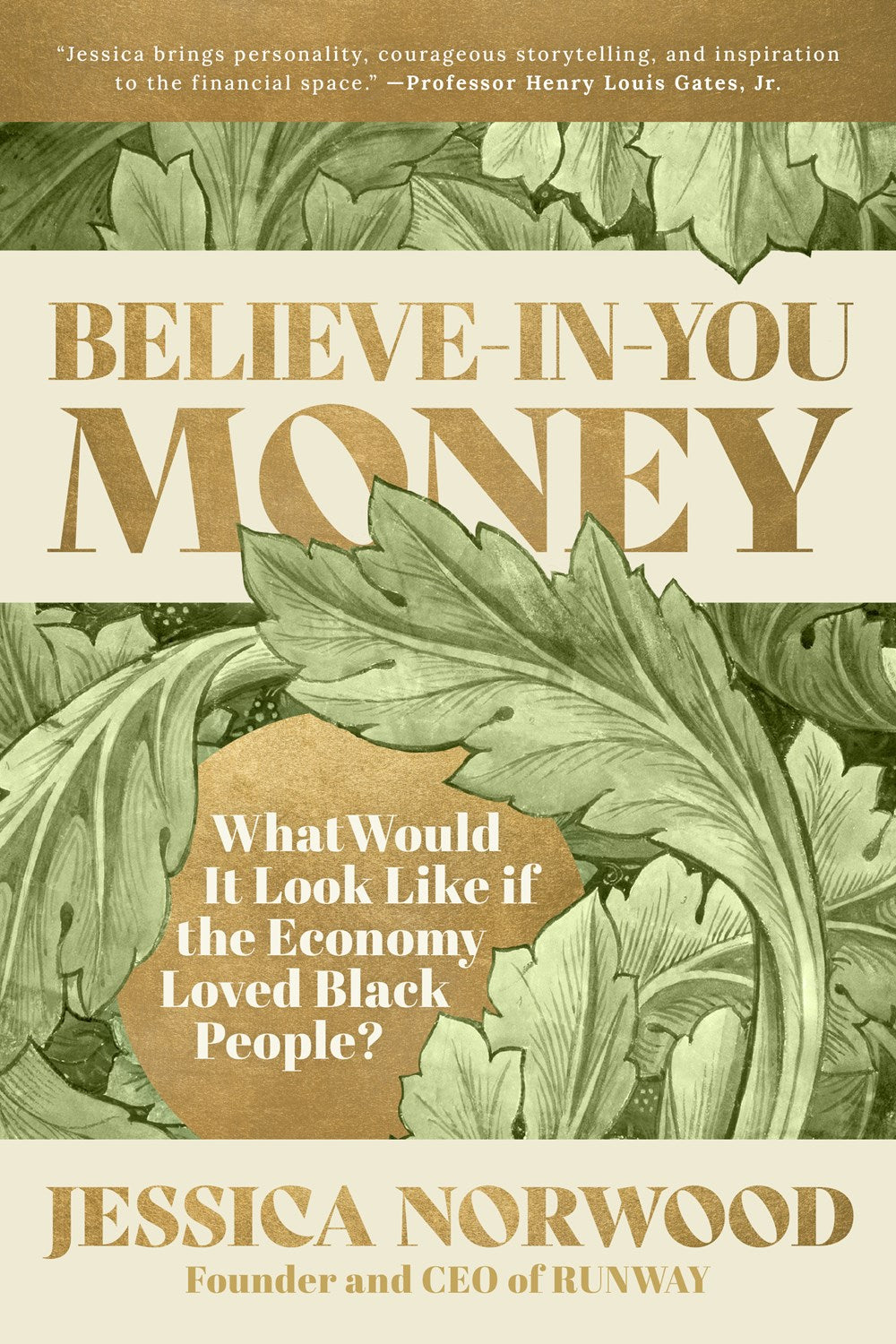
Believe-in-You Money: What Would It Look Like If the Economy Loved Black People?
by Jessica Norwood
Sold out*ships in 7 - 10 business days*
Offering a revolution in Black business financing, this book centers the entrepreneur and responds to the systemic failures surrounding Black wealth building.
There is a huge racial wealth gap in America today. Owning a business is one of the best ways to build wealth—but entrepreneurs need capital. And investing in Black companies is obstructed by systemic racism and implicit biases that continue to create barriers to success.
Merging historical information and data, along with tactical examples and explanations, this practical guide shows us what needs to be done in order to change the way we support Black companies and how we think about wealth.
Norwood calls for investors to move away from extractive, individualistic, exploitative approaches to capital and entrepreneurship. She asks us to move toward transformational, restorative, regenerative, and interdependent relationships to repair the impacts of systemic racism. Investors, large and small, need to say to Black business owners, “we believe in you.”
With an entrepreneur-centric approach, Believe-In-You Money challenges the system failure surrounding Black companies. It’s a guide on how Black entrepreneurs can be supported in sustainable ways and offers a shift in the way we think about who can be an investor, while aiming to change our personal relationships with money. - Practicing New Worlds: Abolition and Emergent Strategies
![Practicing New Worlds: Abolition and Emergent Strategies]()
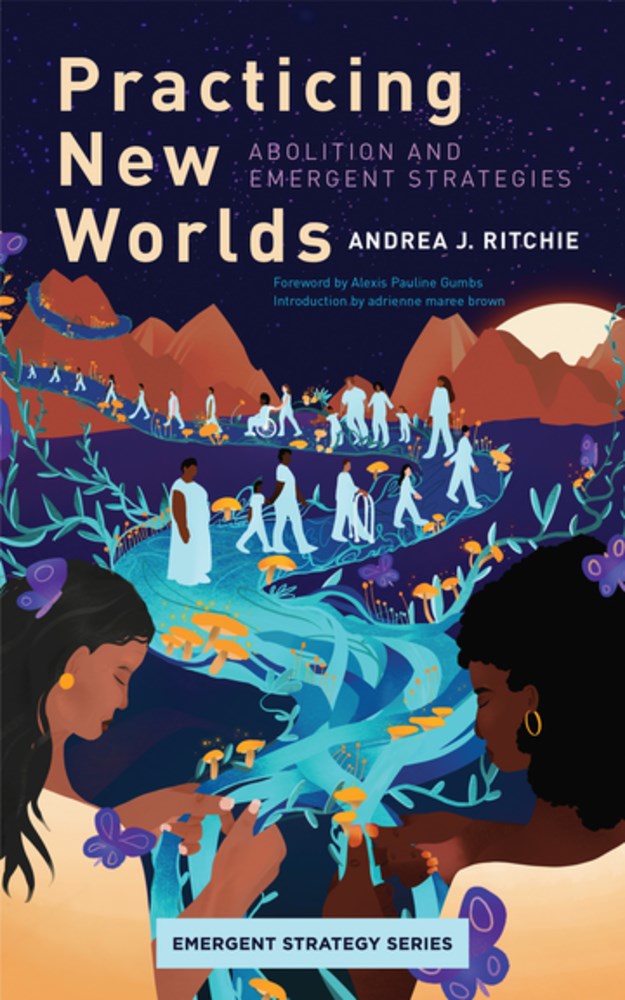
Practicing New Worlds: Abolition and Emergent Strategies
by Andrea Ritchie & Alexis Pauline Gumbs
$22.00An exploration of how emergent strategies can help us meet this moment, survive what is to come, and shape safer and more just futures.
Practicing New Worlds explores how principles of emergence, adaptation, iteration, resilience, transformation, interdependence, decentralization and fractalization can shape organizing toward a world without the violence of surveillance, police, prisons, jails, or cages of any kind, in which we collectively have everything we need to survive and thrive.
Drawing on decades of experience as an abolitionist organizer, policy advocate, and litigator in movements for racial, gender, economic, and environmental justice and the principles articulated by adrienne maree brown in Emergent Strategy: Shaping Change, Changing Worlds, Ritchie invites us to think beyond traditional legislative and policy change to create more possibilities for survival and resistance in the midst of the ongoing catastrophes of racial capitalism—and the cataclysms to come. Rooted in analysis of current abolitionist practices and interviews with on-the-ground organizers resisting state violence, building networks to support people in need of abortion care, and nurturing organizations and convergences that can grow transformative cities and movements, Practicing New Worlds takes readers on a journey of learning, unlearning, experimentation, and imagination to dream the worlds we long for into being. - Women in Yoruba Religions
![Women in Yoruba Religions]()

Women in Yoruba Religions
by Oyèrónké Oládém
$27.00*Ships in 7-10 Business Days*
Uncovers the influence of Yoruba culture on women’s religious lives and leadership in religions practiced by Yoruba people
Women in Yoruba Religions examines the profound influence of Yoruba culture in Yoruba religion, Christianity, Islam, and Afro-Diasporic religions such as Santeria and Candomblé, placing gender relations in historical and social contexts. While the coming of Christianity and Islam to Yorubaland has posed significant challenges to Yoruba gender relations by propagating patriarchal gender roles, the resources within Yoruba culture have enabled women to contest the full acceptance of those new norms.
Oyeronke Olademo asserts that Yoruba women attain and wield agency in family and society through their economic and religious roles, and Yoruba operate within a system of gender balance, so that neither of the sexes can be subsumed in the other. Olademo utilizes historical and phenomenological methods, incorporating impressive data from interviews and participant-observation, showing how religion is at the core of Yoruba lived experiences and is intricately bound up in all sectors of daily life in Yorubaland and abroad in the diaspora. - The Unfolding: An Invitation to Come Home to Yourself
![The Unfolding: An Invitation to Come Home to Yourself]()
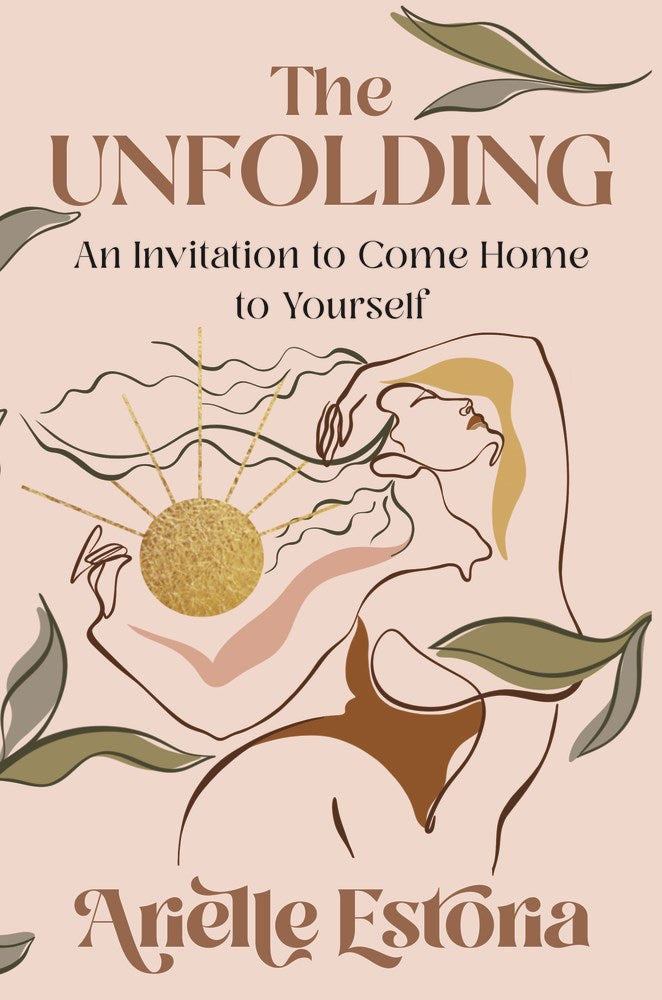
The Unfolding: An Invitation to Come Home to Yourself
by Arielle Estoria
$27.99A wise and beautifully designed collection of poetry, essays, and meditations meant to guide the reader into reflecting on the periods of unfolding in their own lives.
In order to let something in,
you have to let some things go
In order to heal, you must hurt,
In order to grow, you will experience discomfort
and all of this is to make more room for hope
less room for perfectionism and more room for simply being.
Less room for answers,
more room for questions with integrity
for mystery and wonder that leads you somewhere new
not right or wrong, good or bad
This is the Unfolding
The Unfolding is a gateway to change that gives you permission to breathe, change, and grow. Arielle Estoria shares the story of her own transformation in poems that were birthed from seasons of hurt and discomfort—from single to engaged, from Baptist pastor’s kid to student and explorer of the wonder and unanswered aspects of faith, from broken to restored—as she became the person she was meant to be.
The process of unfolding happens over and over again, helping you to grow, to expand, to peel away the layers of who you’ve been, mesh them with who you will be, and step into the fullness and wholeness of who you are.
- A Women's Lectionary for the Whole Church: Year W
![A Women's Lectionary for the Whole Church: Year W]()
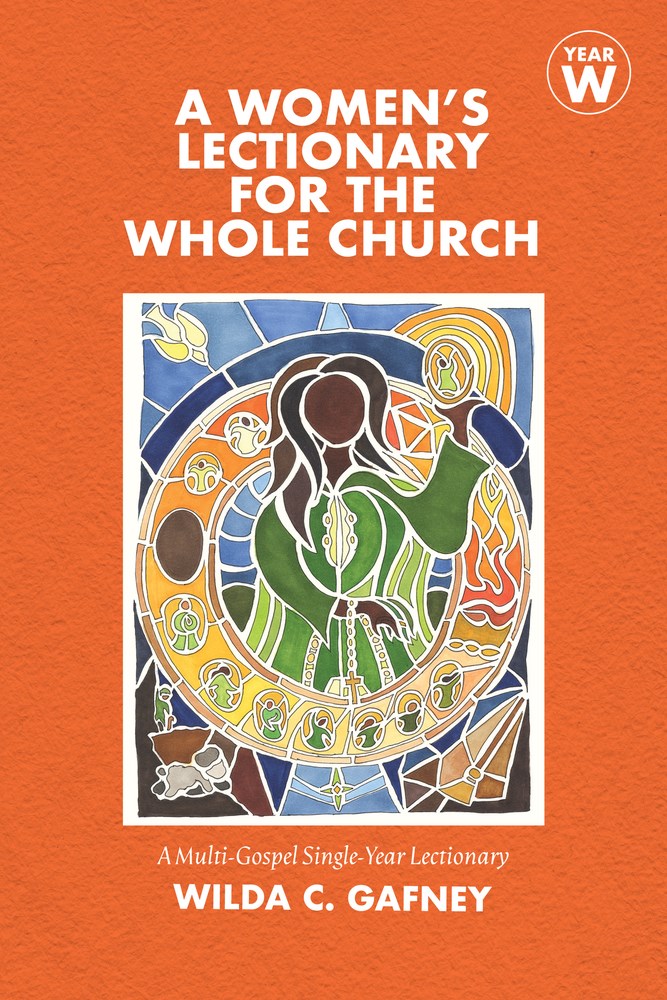
A Women's Lectionary for the Whole Church: Year W
by Wilda C. Gafney
$36.95*ships/available for pickup in 7-10 business days
What would it look like if women built a lectionary focusing on women’s stories?
What does it look like to tell the good news through the stories of women who are often on the margins of scripture and often set up to represent bad news? How would a lectionary centering women’s stories, chosen with womanist and feminist commitments in mind, frame the presentation of the scriptures for proclamation and teaching?
The scriptures are androcentric, male-focused, as is the lectionary that is dependent upon them. As a result, many congregants know only the biblical men's stories told in the Sunday lectionary read in their churches. A more expansive, more inclusive lectionary will remedy that by introducing readers and hearers of scripture to “women's stories” in the scriptures.
A Women’s Lectionary for the Whole Church, when completed, will be a three-year lectionary accompanied by a stand-alone single year lectionary, Year W, that covers all four gospels.
- The Black Agenda: Bold Solutions for a Broken System by Anna Gifty Opoku-Agyeman
![The Black Agenda: Bold Solutions for a Broken System by Anna Gifty Opoku-Agyeman]()
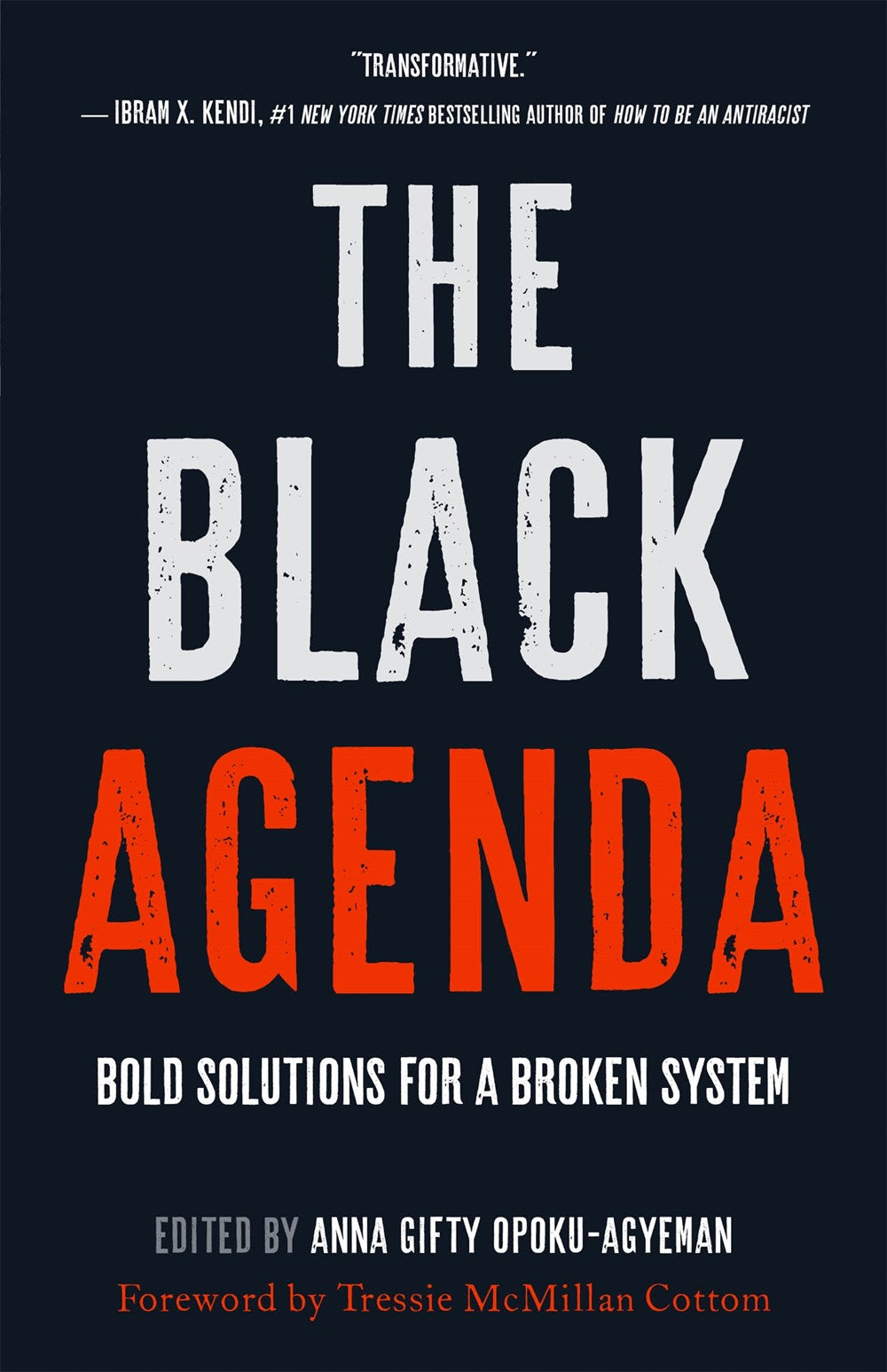
The Black Agenda: Bold Solutions for a Broken System by Anna Gifty Opoku-Agyeman
$28.99*will ship within 5-7 business days
From ongoing reports of police brutality to the disproportionate impact COVID-19 has had on Black Americans, 2020 brought a renewed awareness to the deep-rootedness of racism and white supremacy in every facet of American life.
Edited by Anna Gifty Opoku-Agyeman, The Black Agenda is the first book of its kind―a bold and urgent move towards social justice through a profound collection of essays featuring Black scholars and experts across economics, education, health, climate, and technology. It speaks to the question "What's next for America?" on the subjects of policy-making, mental health, artificial intelligence, climate movement, the future of work, the LGBTQ community, the criminal legal system, and much more.
Essayists including Dr. Sandy Darity, Dr. Hedwig Lee, Mary Heglar, and Janelle Jones present groundbreaking ideas ranging from Black maternal and infant health to reparations to AI bias to inclusive economic policy, with the potential to uplift and heal not only Black America, but the entire country. - Dance Theatre of Harlem: A History, A Movement, A Celebration
![Dance Theatre of Harlem: A History, A Movement, A Celebration]()
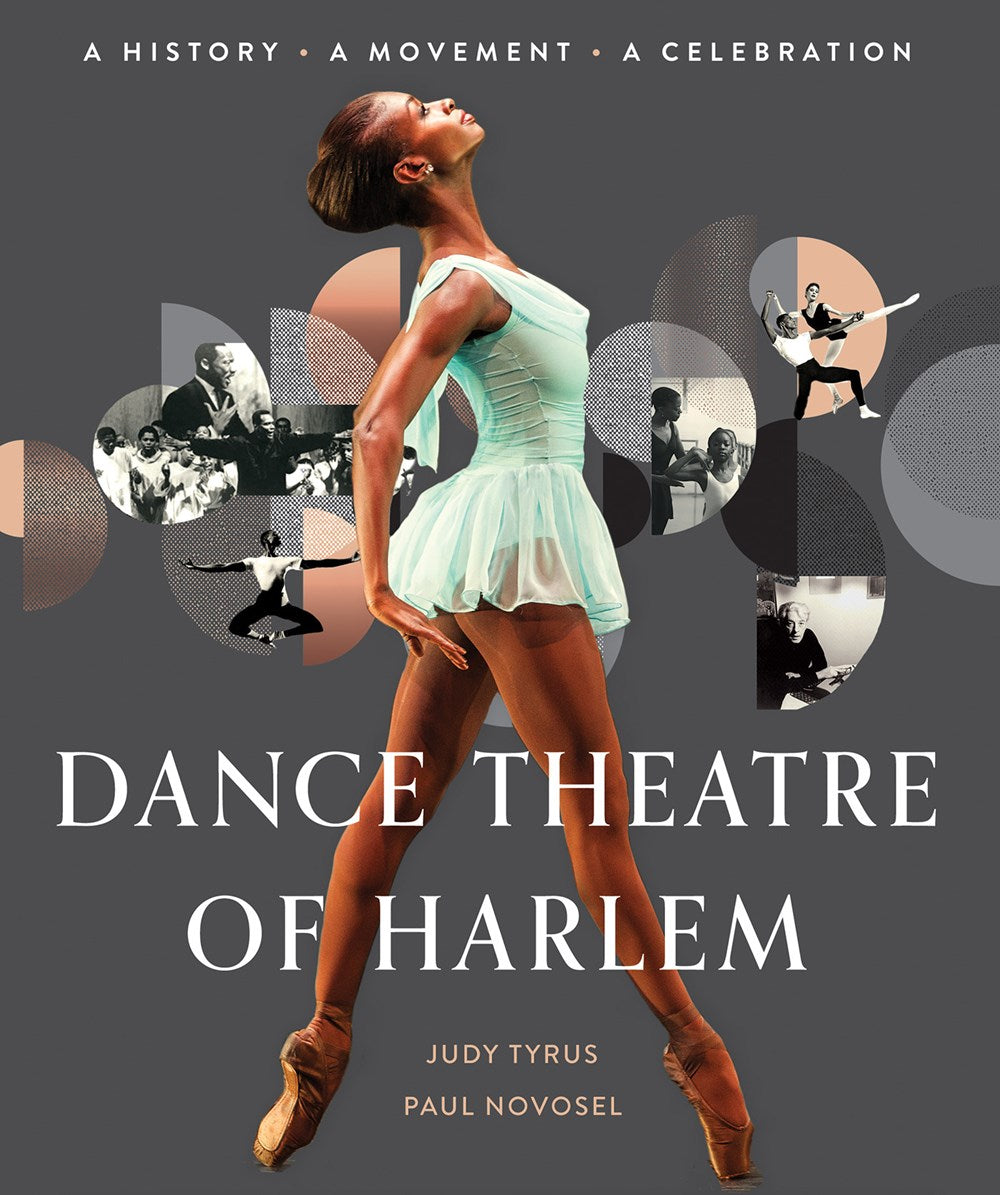
Dance Theatre of Harlem: A History, A Movement, A Celebration
by Judy Tyrus
$50.00*Ships in 7-10 Business Days*
With exclusive backstage stories from its legendary dancers and staff, and unprecedented access to its archives, Dance Theatre of Harlem is a striking chronicle of the company's amazing history, its fascinating daily workings, and the visionaries who made its legacy. Here you’ll discover how the company’s founders—African-American maestro Arthur Mitchell of George Balanchine’s New York City Ballet, and Nordic-American Karel Shook of The Dutch National Ballet--created timeless works that challenged Eurocentric mainstream ballet head-on—and used new techniques to examine ongoing issues of power, beauty, myth, and the ever-changing definition of art itself.
Gaining prominence in the 1970s and 80s with a succession of triumphs—including its spectacular season at the Metropolitan Opera House—the company also gained fans and supporters that included Nelson Mandela, Stevie Wonder, Cicely Tyson, Misty Copeland, Jessye Norman, and six American presidents. Dance Theatre of Harlem details this momentous era as well as the company's difficult years, its impressive recovery as it partnered with new media's most brilliant creators—and, in the wake of its 50th anniversary, amid a global pandemic, its evolution into a worldwide virtual performance space.
Alive with stunning photographs, including many from the legendary Marbeth, this incomparable book is a must-have for any lover of dance, art, culture, or history. - Mo' Meta Blues
![Mo' Meta Blues]()
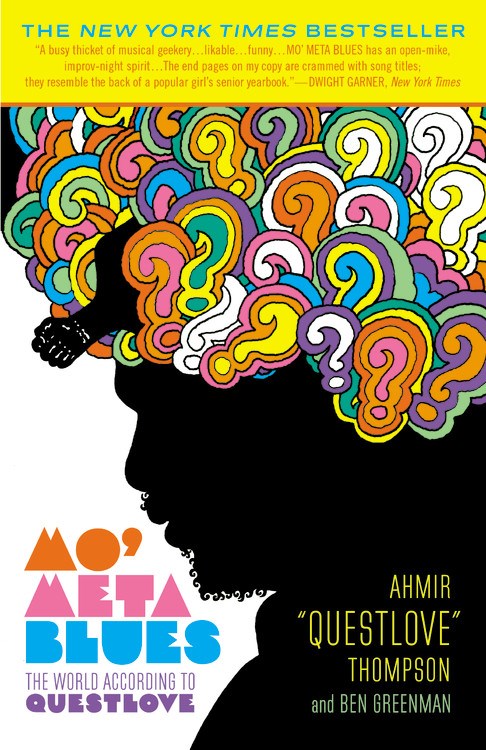
Mo' Meta Blues
by Ahmir "Questlove"Thompson
$17.99"You have to bear in mind that [Questlove] is one of the smartest motherf*****s on the planet. His musical knowledge, for all practical purposes, is limitless." --Robert Christgau
A punch-drunk memoir in which Everyone's Favorite Questlove tells his own story while tackling some of the lates, the greats, the fakes, the philosophers, the heavyweights, and the true originals of the music world. He digs deep into the album cuts of his life and unearths some pivotal moments in black art, hip hop, and pop culture.
Ahmir "Questlove" Thompson is many things: virtuoso drummer, producer, arranger, Late Night with Jimmy Fallon bandleader, DJ, composer, and tireless Tweeter. He is one of our most ubiquitous cultural tastemakers, and in this, his first book, he reveals his own formative experiences--from growing up in 1970s West Philly as the son of a 1950s doo-wop singer, to finding his own way through the music world and ultimately co-founding and rising up with the Roots, a.k.a., the last hip hop band on Earth. Mo' Meta Blues also has some (many) random (or not) musings about the state of hip hop, the state of music criticism, the state of statements, as well as a plethora of run-ins with celebrities, idols, and fellow artists, from Stevie Wonder to KISS to D'Angelo to Jay-Z to Dave Chappelle to...you ever seen Prince roller-skate?!?
But Mo' Meta Blues isn't just a memoir. It's a dialogue about the nature of memory and the idea of a post-modern black man saddled with some post-modern blues. It's a book that questions what a book like Mo' Meta Bluesreally is. It's the side wind of a one-of-a-kind mind.
It's a rare gift that gives as well as takes.
It's a record that keeps going around and around.


Stay Informed. We're building a community committed to celebrating Black authors + artisans. Subscribe to keep up with all things Kindred Stories.