
Non-fiction
- Feelin: Creative Practice, Pleasure, and Black Feminist Thought
![Book cover image]()
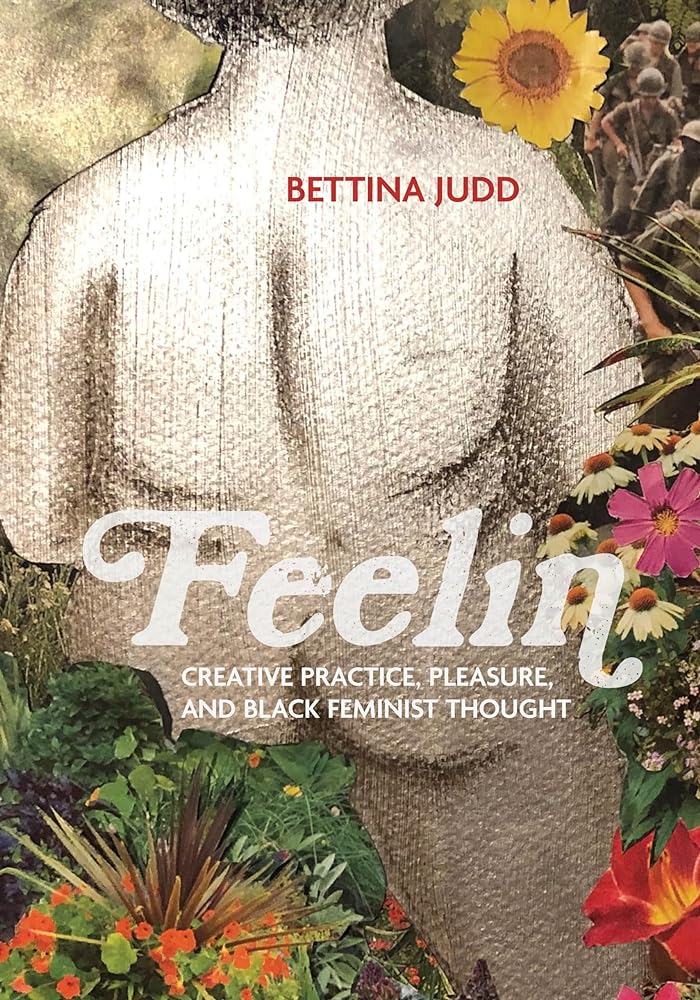
Feelin: Creative Practice, Pleasure, and Black Feminist Thought
$34.95How creativity makes its way through feeling—and what we can know and feel through the artistic work of Black women
Feeling is not feelin. As the poet, artist, and scholar Bettina Judd argues, feelin, in African American Vernacular English, is how Black women artists approach and produce knowledge as sensation: internal and complex, entangled with pleasure, pain, anger, and joy, and manifesting artistic production itself as the meaning of the work. Through interviews, close readings, and archival research, Judd draws on the fields of affect studies and Black studies to analyze the creative processes and contributions of Black women—from poet Lucille Clifton and musician Avery*Sunshine to visual artists Betye Saar, Joyce J. Scott, and Deana Lawson.
Feelin: Creative Practice, Pleasure, and Black Feminist Thought makes a bold and vital intervention in critical theory’s trend toward disembodying feeling as knowledge. Instead, Judd revitalizes current debates in Black studies about the concept of the human and about Black life by considering how discourses on emotion as they are explored by Black women artists offer alternatives to the concept of the human. Judd expands the notions of Black women’s pleasure politics in Black feminist studies that include the erotic, the sexual, the painful, the joyful, the shameful, and the sensations and emotions that yet have no name. In its richly multidisciplinary approach, Feelin calls for the development of research methods that acknowledge creative and emotionally rigorous work as productive by incorporating visual art, narrative, and poetry. - When Crack Was King: A People's History of a Misunderstood Era
![When Crack Was King: A People's History of a Misunderstood Era]()
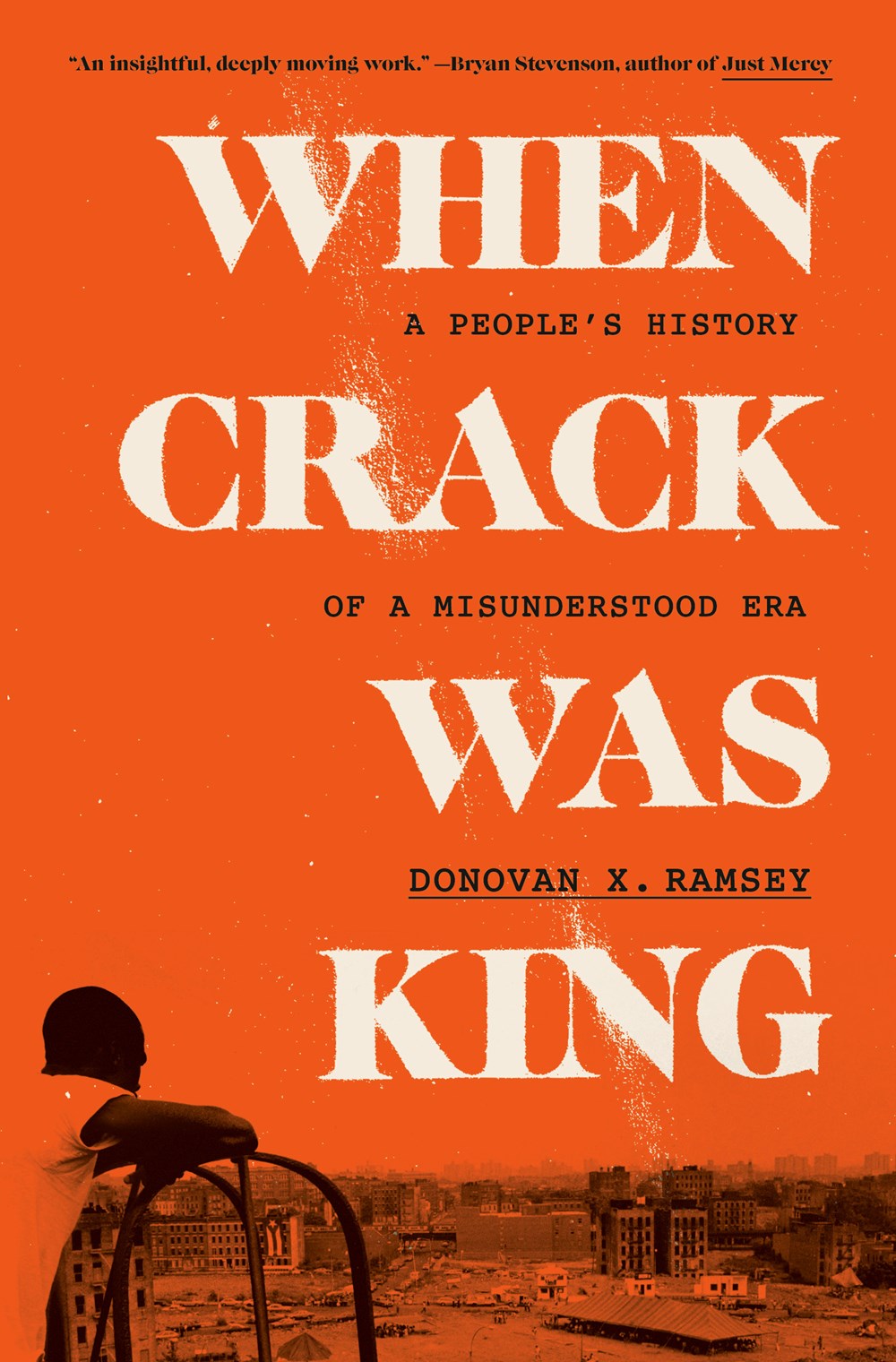
When Crack Was King: A People's History of a Misunderstood Era
by Donovan X. Ramsey
from $19.99*ships in 7-10 business days*
A kaleidoscopic account of the crack cocaine era and a community’s ultimate resilience—told through a cast of characters whose lives illuminate the dramatic rise and fall of the epidemic
The crack epidemic of the 1980s and 1990s is arguably the least examined crisis in American history. Beginning with the myths inspired by Reagan's war on drugs, journalist Donovan X. Ramsey's exacting work exposes the undeniable links between the last triumphs of the Civil Rights Movement and the consequences we live with today—a racist criminal justice system, continued mass incarceration and gentrification, and increased police brutality.
When Crack Was King follows four individuals to give us a startling portrait of crack’s destruction and devastating legacy. Elgin Swift, an archetype of American industry and ambition and son of a crack-addicted father who turned their home into a “crack house”; Lennie Woodley, a former crack addict and a sex worker; Kurt Schmoke, former mayor of Baltimore and an early advocate of decriminalization; and lastly, Shawn McCray, community activist, basketball prodigy, and a founding member of the Zoo Crew, Newark's most legendary group of drug traffickers.
Weaving together riveting research with the voices of survivors, When Crack Was King is a crucial re-evaluation of the era and a powerful argument for providing historically violated communities with the resources they deserve.
Noteworthy Discoveries- How the crack epidemic really began
- How both Democrats and Republicans failed urban America during the crack epidemic
- How Dr. Dre's The Chronic helped turn the page on the crack epidemic
- How young people of color ended the crack epidemic
- Why Joe Biden owes urban Americans an explanation for the crack epidemic
- Lessons from the crack epidemic for the opioid epidemic
- School Clothes: A Collective Memoir of Black Student Witness
![School Clothes: A Collective Memoir of Black Student Witness]()
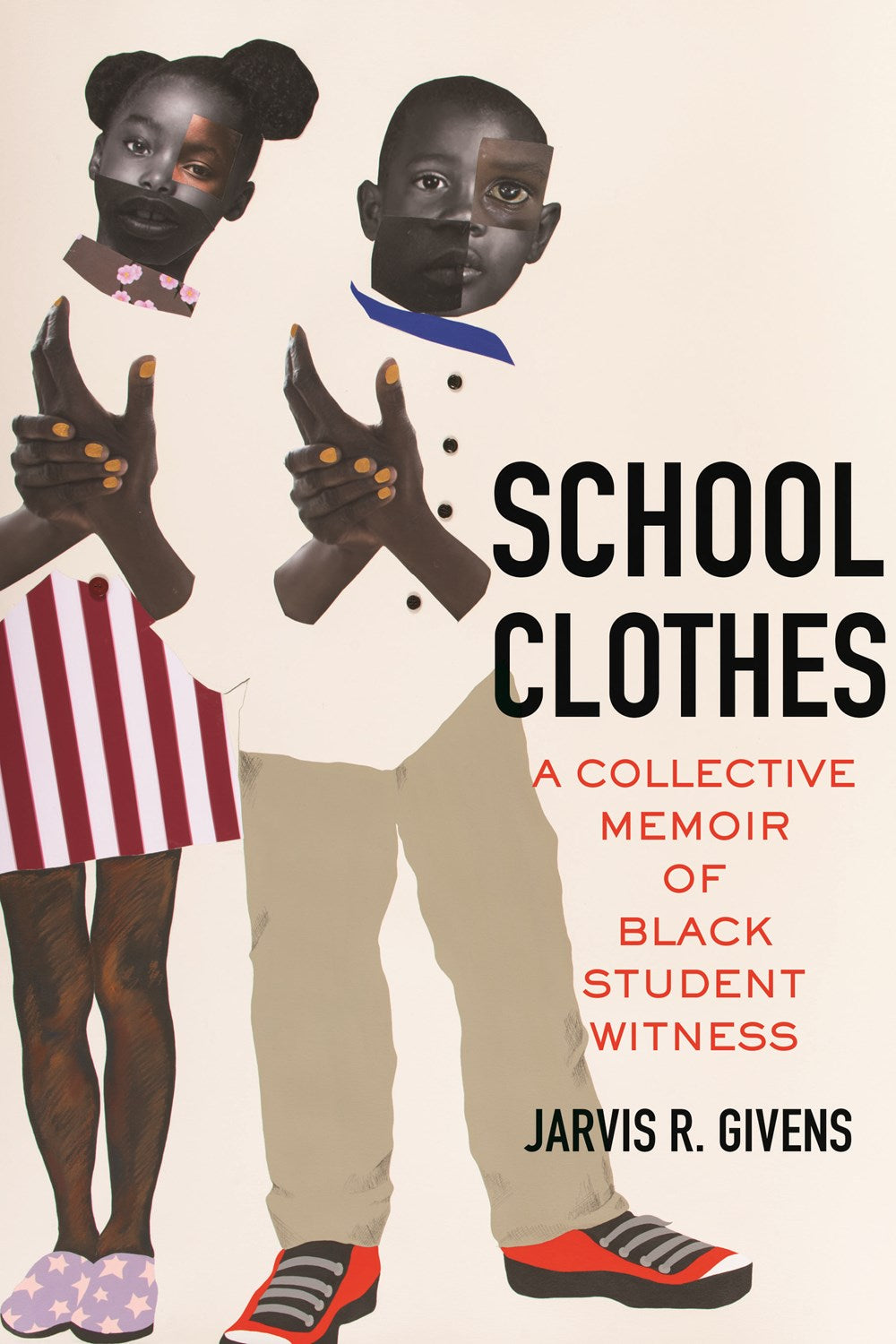
School Clothes: A Collective Memoir of Black Student Witness
by Jarvis R. Givens
$18.95A chorus of Black student voices that renders a new story of US education—one where racial barriers and violence are confronted by freedom dreaming and resistance
Black students were forced to live and learn on the Black side of the color line for centuries, through the time of slavery, Emancipation, and the Jim Crow era. And for just as long—even through to today—Black students have been seen as a problem and a seemingly troubled population in America’s public imagination.
Through over one hundred firsthand accounts from the nineteenth and twentieth centuries, Professor Jarvis Givens offers a powerful counter-narrative in School Clothes to challenge such dated and prejudiced storylines. He details the educational lives of writers such as Zora Neale Hurston and Ralph Ellison; political leaders like Mary McLeod Bethune, Malcolm X, and Angela Davis; and Black students whose names are largely unknown but who left their marks nonetheless. Givens blends this multitude of individual voices into a single narrative, a collective memoir, to reveal a through line shared across time and circumstance: a story of African American youth learning to battle the violent condemnation of Black life and imposed miseducation meant to quell their resistance.
School Clothes elevates a legacy in which Black students are more than the sum of their suffering. By peeling back the layers of history, Givens unveils in high relief a distinct student body: Black learners shaped not only by their shared vulnerability but also their triumphs, fortitude, and collective strivings. - Healing Justice Lineages: Dreaming at the Crossroads of Liberation, Collective Care, and Safety
![Healing Justice Lineages: Dreaming at the Crossroads of Liberation, Collective Care, and Safety]()
Healing Justice Lineages: Dreaming at the Crossroads of Liberation, Collective Care, and Safety
by Cara Page & Erica Woodland
$17.95A profound offering and call to action—collective stories, testimonials, and incantations for renewing political and spiritual liberation grounded in Black, Indigenous, People of Color, and Queer and Trans healing justice lineages
We reclaim the power, resilience, and innovation of our ancestors through this book. To embody their wisdom across centuries and generations is to continue their legacy of liberation and healing.
In this anthology, Black Queer Feminist editors Cara Page and Erica Woodland guide readers through the history, legacies, and liberatory practices of healing justice—a political strategy of collective care and safety that intervenes on generational trauma from systemic violence and oppression. They call forth the ancestral medicines and healing practices that have sustained communities who have survived genocide and oppression, while radically imagining what comes next.
Anti-capitalist, Black feminist, and abolitionist, Healing Justice Lineages is a profound and urgent call to embrace community and survivor-led care strategies as models that push beyond commodified self-care, the policing of the medical industrial complex, and the surveillance of the public health system. Centering disability, reproductive, environmental, and transformative justice and harm reduction, this collection elevates and archives an ongoing tradition of liberation and survival—one that has been largely left out of our history books, but continues to this day.
In the first section, “Past: Reckoning with Roots and Lineage,” Page and Woodland remember and reclaim generations-long healing justice and community care work, asking critical questions like: How did our ancestors transform trauma and violence in their liberation work? What were our ancestors reckoning with—and what did they imagine?
The next sections, “Origins of Healing Justice” and “Alchemy: Theory + Praxis,” explore regional stories of healing justice in response to the current political and cultural landscape. The last section, “Political + Spiritual Imperatives for the Future,” imagines a future rooted in lessons of the past; addresses the ways healing justice is being co-opted and commodified; and uplifts emergent work that’s building infrastructure for care, safety, healing, and political liberation. - Knitting For Radical Self Care
![Knitting For Radical Self Care]()

Knitting For Radical Self Care
by Brandi Cheyenne Harper
$24.99*Ships in 7-10 business days*
From knitting expert Brandi Harper, a must-have pattern book for modern knitters, with essays on self-care and sourcing creativity
There is no such thing as being kind-of a knitter—the wobbly scarves and that oversized sweater you tried to shrink all count too. Each contribution that you make to the world through knitting is meaningful, but maybe you’ve slowed your commitment to this craft, or you can’t seem to find the time to be creative. There’s a lot to be distracted by, and the path forward isn’t always clear. Brandi Harper aims to bring those challenges to the forefront and help you unearth the immense benefits that knitting has to offer. In her debut book, Knitting for Radical Self-Care, Harper offers tips and suggestions for carving out time for creativity, alongside beautiful patterns to try yourself. The book includes ten original patterns inspired by revolutionary women of color, and Harper will speak to these women and their immense impact on her life and our world. The patterns include detailed instructions, alongside her original prose, all designed to inspire. - Afropessimism
![Afropessimism]()
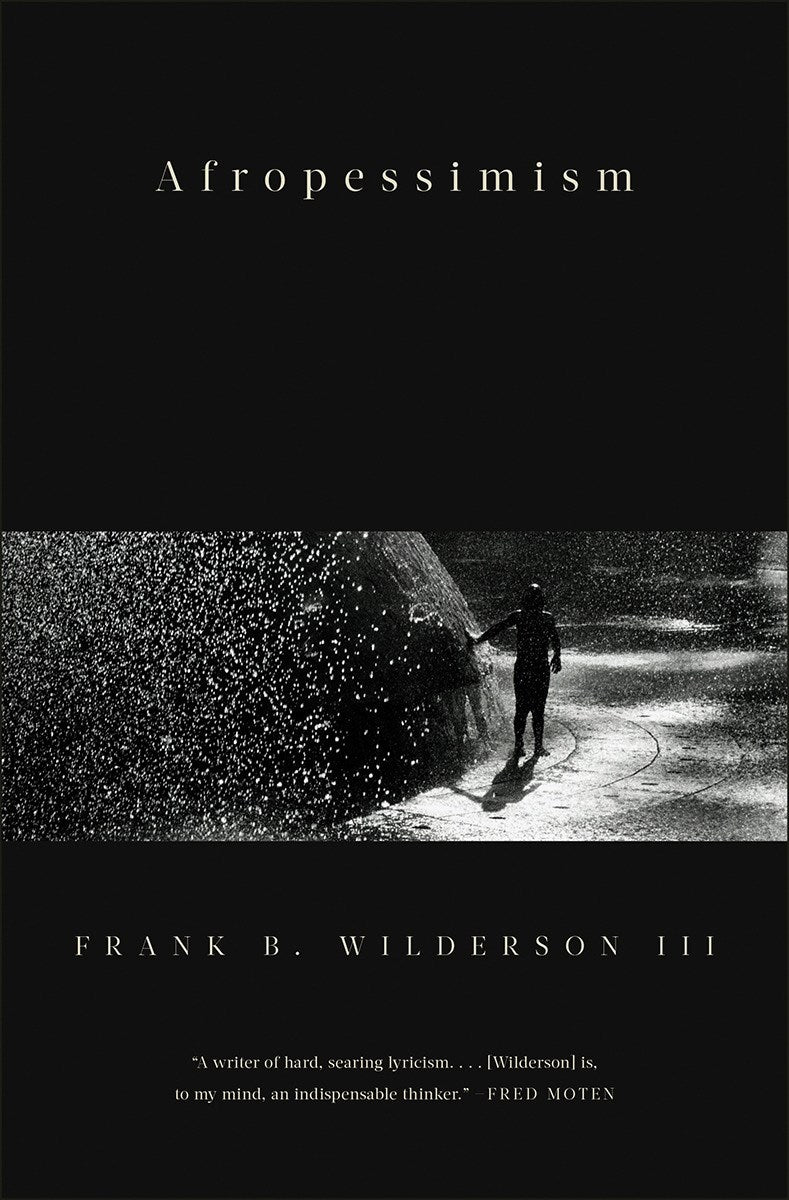
Afropessimism
by Frank B Wilderson III
from $18.95*ships in 7-10 business days
Longlisted • National Book Award (Nonfiction)
Combining trenchant philosophy with lyrical memoir, Afropessimism is an unparalleled account of Blackness.Why does race seem to color almost every feature of our moral and political universe? Why does a perpetual cycle of slavery—in all its political, intellectual, and cultural forms—continue to define the Black experience? And why is anti-Black violence such a predominant feature not only in the United States but around the world? These are just some of the compelling questions that animate Afropessimism, Frank B. Wilderson III’s seminal work on the philosophy of Blackness.
Combining precise philosophy with a torrent of memories, Wilderson presents the tenets of an increasingly prominent intellectual movement that sees Blackness through the lens of perpetual slavery. Drawing on works of philosophy, literature, film, and critical theory, he shows that the social construct of slavery, as seen through pervasive anti-Black subjugation and violence, is hardly a relic of the past but the very engine that powers our civilization, and that without this master-slave dynamic, the calculus bolstering world civilization would collapse. Unlike any other disenfranchised group, Wilderson argues, Blacks alone will remain essentially slaves in the larger Human world, where they can never be truly regarded as Human beings, where, “at every scale of abstraction, violence saturates Black life.”
And while Afropessimism delivers a formidable philosophical account of being Black, it is also interwoven with dramatic set pieces, autobiographical stories that juxtapose Wilderson’s seemingly idyllic upbringing in mid-century Minneapolis with the abject racism he later encounters—whether in late 1960s Berkeley or in apartheid South Africa, where he joins forces with the African National Congress. Afropessimism provides no restorative solution to the hatred that abounds; rather, Wilderson believes that acknowledging these historical and social conditions will result in personal enlightenment about the reality of our inherently racialized existence.
Radical in conception, remarkably poignant, and with soaring flights of lyrical prose, Afropessimism reverberates with wisdom and painful clarity in the fractured world we inhabit. It positions Wilderson as a paradigmatic thinker and as a twenty-first-century inheritor of many of the African American literary traditions established in centuries past.
- Black Cowboys of Rodeo
![Black Cowboys of Rodeo]()
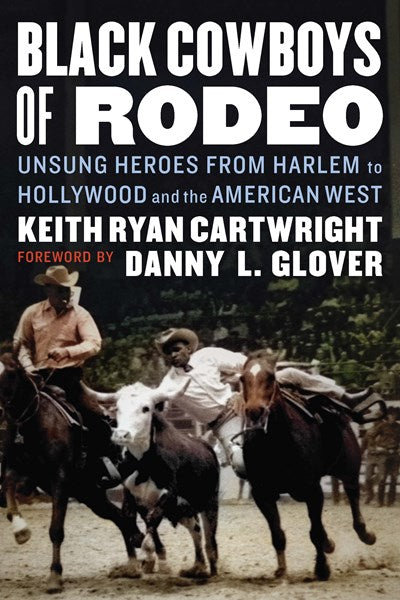
Black Cowboys of Rodeo
by Keith Ryan Cartwright
$34.95*ship in 7-10 business days
They ride horses, rope calves, buck broncos, ride and fight bulls, and even wrestle steers. They are Black cowboys, and the legacies of their pursuits intersect with those of America’s struggle for racial equality, human rights, and social justice.
Keith Ryan Cartwright brings to life the stories of such pioneers as Cleo Hearn, the first Black cowboy to professionally rope in the Rodeo Cowboy Association; Myrtis Dightman, who became known as the Jackie Robinson of Rodeo after being the first Black cowboy to qualify for the National Finals Rodeo; and Tex Williams, the first Black cowboy to become a state high school rodeo champion in Texas.
Black Cowboys of Rodeo is a collection of one hundred years of stories, told by these revolutionary Black pioneers themselves and set against the backdrop of Reconstruction, Jim Crow, segregation, the civil rights movement, and eventually the integration of a racially divided country. - With Pleasure: Managing Trauma Triggers For More Vibrant Sex And Relationships
![With Pleasure: Managing Trauma Triggers For More Vibrant Sex And Relationships]()
With Pleasure: Managing Trauma Triggers For More Vibrant Sex And Relationships
by August McLaughling & Jamila Dawson
Sold outA companion for anyone experiencing the effects of trauma, featuring true stories of survivors from a broad, inclusive range of backgrounds
With Pleasure: Managing Trauma Triggers for More Vibrant Sex and Relationships is a companion for anyone experiencing the effects of trauma. Through true survivor stories, expert insight, writing prompts, and grounding exercises, it explores pleasure, relationships, and community as worthy and essential antidotes in trying times.
Written by trauma-informed sex therapist Jamila Dawson, LMFT, and sexuality journalist and podcaster August McLaughlin, With Pleasure provides a much-needed alternative to harmful “self-help” ideologies that instruct people to “change their thoughts” or “choose to be happy.”
Instead, Dawson and McLaughlin encourage readers to respect their feelings, understand the complexities of a society and systems that fuel trauma, foster self-compassion, and embrace pleasure. - Pushout
![Pushout]()
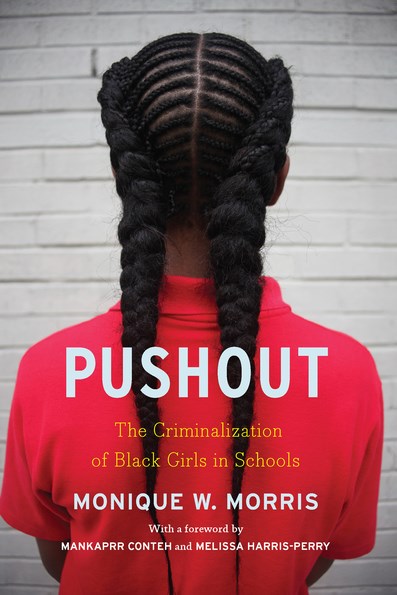
Pushout
by Monique Morris
$21.99The “powerful” (Michelle Alexander) exploration of the harsh and harmful experiences confronting Black girls in schools, and how we can instead orient schools toward their flourishing.
On the day fifteen-year-old Diamond from the Bay Area stopped going to school, she was expelled for lashing out at peers who constantly harassed and teased her for something everyone on the staff had missed: she was being trafficked for sex. After months on the run, she was arrested and sent to a detention center for violating a court order to attend school.
In a work that Lisa Delpit calls “imperative reading,” Monique W. Morris chronicles the experiences of Black girls across the country whose complex lives are misunderstood, highly judged—by teachers, administrators, and the justice system—and degraded by the very institutions charged with helping them flourish. Painting “a chilling picture of the plight of black girls and women today” (The Atlantic), Morris exposes a world of confined potential and supports the rising movement to challenge the policies, practices, and cultural illiteracy that push countless students out of school and into unhealthy, unstable, and often unsafe futures.
At a moment when Black girls are the fastest growing population in the juvenile justice system, Pushout is truly a book “for everyone who cares about children” (Washington Post).
Book cover photograph by Brittsense/brittsense.com.
- The Misadventures of an Awkward Black Girl by Issa Rae
![The Misadventures of an Awkward Black Girl by Issa Rae]()
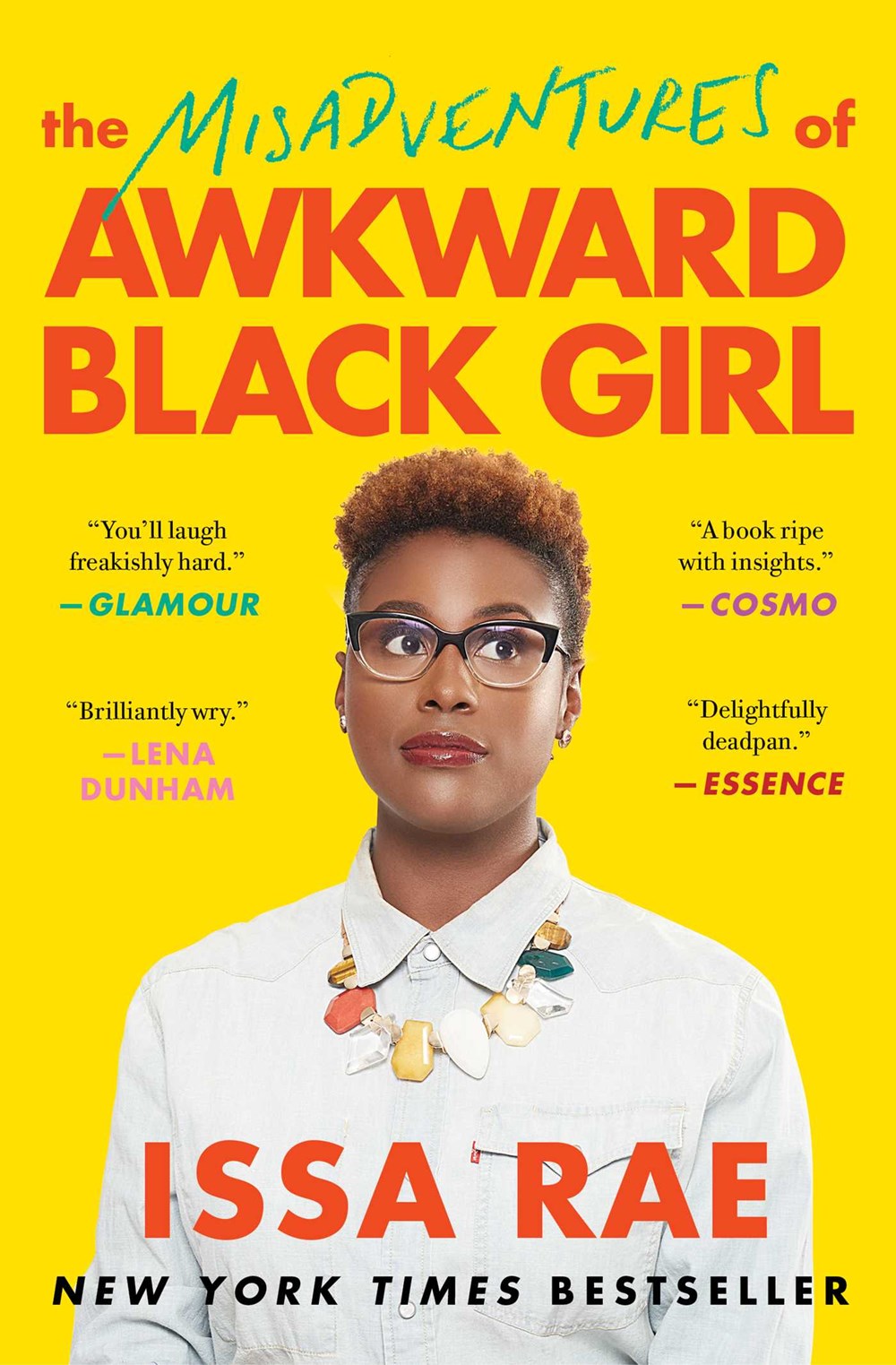
The Misadventures of an Awkward Black Girl by Issa Rae
$16.00*Ships in 7-10 Business Days*
I’m awkward—and black. Someone once told me those were the two worst things anyone could be. That someone was right. Where do I start?
Being an introvert (as well as “funny,” according to the Los Angeles Times) in a world that glorifies cool isn’t easy. But when Issa Rae, the creator of the Shorty Award-winning hit series The Misadventures of Awkward Black Girl, is that introvert—whether she’s navigating love, the workplace, friendships, or “rapping”—it sure is entertaining. Now, in this New York Times bestselling debut collection written in her witty and self-deprecating voice, Rae covers everything from cybersexing in the early days of the Internet to deflecting unsolicited comments on weight gain, from navigating the perils of eating out alone and public displays of affection to learning to accept yourself—natural hair and all.
The Misadventures of Awkward Black Girl is a book no one—awkward or cool, black, white, or other—will want to miss. - Turkey and the Wolf: Flavor Trippin' in New Orleans [A Cookbook]
![Turkey and the Wolf: Flavor Trippin' in New Orleans [A Cookbook] cover image]()
![Turkey and the Wolf: Flavor Trippin' in New Orleans [A Cookbook] cover image](//kindredstorieshtx.com/cdn/shop/files/9781984858993_2048x2048.jpg?v=1758137352)
Turkey and the Wolf: Flavor Trippin' in New Orleans [A Cookbook]
$30.00Mason Hereford grew up in rural Virginia, where he frequented local country stores that sold everything from gas and ammo to broccoli-cheese casserole and a turkey, cheddar, and cranberry sandwich that still haunts his dreams. After working in fine dining, he opened Turkey and the Wolf in New Orleans in 2016, bringing country store spirit (and his take on that turkey sandwich) to the masses.
In Turkey and the Wolf, Hereford draws on inspiration from his childhood to offer bold, fresh twists onsome of the most beloved Southern dishes. From chicken pot-hand-pies with buttermilk dip and decadent bologna sandwiches to deviled egg tostadas with salsa macha and his mom's burnt tomato casserole, this colorful cookbook is packed with nostalgic and indulgent recipes, mouthwatering photographs, and delectable illustrations.
With a focus on big flavors through laidback cooking, Turkey and the Wolf is a frolic through Southern food from the viewpoint of a true original.
JAMES BEARD AWARD NOMINEE . IACP AWARD FINALIST . NEW YORK TIMES BESTSELLER . A fun, flavorful cookbook with more than 95 recipes and Power-Ups featuring chef Mason Hereford's irreverent take on Southern food, from his awarding-winning New Orleans restaurant Turkey and the Wolf
"Mason and his team are everything the culinary world needs right now. This book is a testimony of living life to the most and being your true self!"-Matty Matheson
ONE OF THE BEST COOKBOOKS OF THE YEAR- Los Angeles Times, Saveur, NPR, Vice, Delish, Garden & Gun, Publishers Weekly
Mason Hereford grew up in rural Virginia, where his formative meals came at modest country stores and his family's holiday table. After moving to New Orleans and working in fine dining he opened Turkey and the Wolf, which featured his larger-than-life interpretations of down-home dishes and created a nationwide sensation.
In Turkey and the Wolf, Hereford shares lively twists on beloved Southern dishes, like potato chip-loaded fried bologna sandwiches, deviled-egg tostadas with salsa macha, and his mom's burnt tomato casserole. This cookbook is packed with nostalgic and indulgent recipes, original illustrations, and bad-ass photographs.
Filled with recipes designed to get big flavor out of laidback cooking, Turkey and the Wolf is a wild ride through the South, with food so good you're gonna need some brand-new jeans.
- Lies about Black People: How to Combat Racist Stereotypes and Why It Matters
![Lies about Black People: How to Combat Racist Stereotypes and Why It Matters cover image]()

Lies about Black People: How to Combat Racist Stereotypes and Why It Matters
$22.95Bold, unflinching, and urgent—a pioneering guide to dismantling racist stereotypes and creating real change.
From Black Lives Matter to the stark inequities exposed by COVID-19, America's history of racial bias demands a new approach to understanding and action. Award-winning diversity expert Dr. Omekongo Dibinga reveals how even seemingly "innocent" stereotypes are rooted in hatred and continue to harm Black communities today.
In Lies About Black People: How to Combat Racist Stereotypes and Why It Matters, Dr. Dibinga combines powerful personal narratives, historical context, and contemporary analysis to expose the real-world impact of racist myths. Through intimate interviews, compelling research, and interactive exercises, readers will:
* Identify and confront their own hidden biases
* Master essential vocabulary for meaningful discussions about race
* Learn concrete ways to use privilege as a force for positive change
* Understand how common stereotypes—from "natural athletic ability" to "can't swim"—perpetuate systemic racismThis transformative guide goes beyond theory to provide practical tools for lasting change. Whether you're beginning your journey in anti-racism work or seeking deeper insights for advocacy, Dr. Dibinga offers a clear path forward.
"Dr. Dibinga is his generation's Dr. Carter G. Woodson... [it] rises above the banalities of lies and racist platitudes that have existed for centuries. I predict it will be read and studied for generations to come." —Joe Madison, "The Black Eagle" on SiriusXM Urban View
Perfect for:
- Educators and diversity professionals
- Corporate leaders and team managers
- Anyone committed to creating a more equitable society
- Book clubs and community discussion groups - Root Therapy: How to Love Your Hair (and Find Yourself)
![Root Therapy: How to Love Your Hair (and Find Yourself) cover image]()

Root Therapy: How to Love Your Hair (and Find Yourself)
$28.00Embrace and learn to love your natural hair with this eye-opening guide from “hair whisperer” to the stars, Felicia Leatherwood.
As a child there was nothing Felicia Leatherwood wanted more than long, flowy hair. But Felicia’s short afro grew up and out, not down. Her father who styled Felicia’s hair in her mother’s place, often didn’t know his own strength, and would rip Felicia’s delicate strands as he combed through her hair. At a young age, Felicia internalizes her hair as something to be managed, tamed, instead of a source of pride.
As hair trends come and go, Felicia’s beloved Jherri curl is replaced by every braided style in the book. She even tries her hand at weaves and relaxers. Felicia finds she loves doing hair so much she leaves her high-paying corporate job to enroll in beauty school and lands a hot new job at a salon where celebrities breeze through to freshen up their look. It isn’t long until Felicia is styling her first celebrity client. Felicia’s love of hair takes her around the world, to movie sets and several red carpets.
In Root Therapy, Felicia shares her journey of hair positivity, which opens the door to a beautiful spiritual journey of self-love. As a celebrity stylist and natural hair educator, Felicia has made it her life’s mission to share the message of hair acceptance. Complete with exercises that show you the merits of owning one’s complete self, Felicia encourages you to embrace your natural hair.
- Redeem a Nation: The Century-Long Battle to Restore the Soul of America
![Redeem a Nation: The Century-Long Battle to Restore the Soul of America cover image]()

Redeem a Nation: The Century-Long Battle to Restore the Soul of America
$31.00We all feel it, the teetering toward a place in America from which there is no return. The battle to remain hopeful in spite of injustice after injustice. In this powerful story of one lawyer’s fight for his community, both justice and hope are redeemed.
The Greenwood neighborhood of North Tulsa was once a promised land for African Americans, deemed “Black Wall Street.” But on May 31, 1921, the deadliest race massacre in U.S. history sent Greenwood up in flames. At the time, Lessie Randle was just a child running to safety as bullets ricocheted around her. Almost a century later, lawyer Damario Solomon-Simmons knocks on her door asking if she’d be willing to run toward justice this time.
In Redeem a Nation, we follow Solomon-Simmons’s fight for justice, from the courtrooms of Tulsa to our nation’s capital, representing three centenarians: the last survivors of the Tulsa Race Massacre. Documenting a race against the calendar and the courts, Redeem a Nation grapples with the truth about corruption and disenfranchisement in America through this historic legal case for reparations and the deeply moving stories of survivors and descendants of the Massacre.
Yet this isn’t just a story of Tulsa. The community is a microcosm of the continued harm America inflicts through racial violence and economic injustice. The damage of generational poverty and loss of opportunity isn’t some relic of the past. It is happening right now. Redeem a Nation offers a way forward for communities across the nation through systemic change and community love. The Time is now to resist, repair, and redeem a land once promised.
“You think we can win?” Randle asked that day. This story is Solomon-Simmons’s answer.
- Galveston's Juneteenth Story: And Still We Rise (American Heritage)
![Galveston's Juneteenth Story: And Still We Rise (American Heritage) cover image]()

Galveston's Juneteenth Story: And Still We Rise (American Heritage)
$24.99Galveston was the birthplace of Juneteenth.
Issued in Galveston on June 19, 1865, General Orders, No. 3 announced to the people of Texas that all slaves were free. It is one of the Island's most important historical moments. Although Juneteenth has now become the basis for a national holiday, many Americans wonder how and why this date emerged as the basis for the oldest continually celebrated commemoration of the end of slavery. To even begin to answer these questions, it is necessary to return to the historic roots of the event itself. The Galveston Historical Foundation's African American Heritage Committee tracks Emancipation Day observances through previously unknown images and untold stories which are also part of an interactive exhibit experience at Ashton Villa, the site of Galveston's city-wide Juneteenth celebration.
- Release, Rest, Remain: A 30-Day Devotional to Embrace Abiding Over Striving
![Release, Rest, Remain: A 30-Day Devotional to Embrace Abiding Over Striving cover image]()

Release, Rest, Remain: A 30-Day Devotional to Embrace Abiding Over Striving
$22.00Discover lasting peace and joy amid life's chaos with this 30-day journey designed for busy women to release burdens to God, rest in His presence, and remain steadfast in His love.
In the busyness of everyday life, finding a quiet moment can feel impossible. Maybe you're juggling a full inbox, constantly attending to others' needs, or tackling an endless number of tasks on your to-do list.
If you're looking to escape the runaway train of nonstop activity in your life, explore the profound words of peace that Jesus spoke to His disciples in John 15, just hours before His arrest. Words that were not about doing but about being--about dwelling with Him, especially during lifeʼs most challenging moments.
Release, Rest, Remain is a thirty-day invitation to slow down and find rest in the presence of the God who invites you to lay it all down. Each day you'll find compelling stories, thoughtful Scripture study, and honest questions, guiding you to
- Release the need to hold it all together and trust the One who already is
- Rest in the truth of God's Word when everything else feels uncertain
- Remain with Him, and discover the lasting contentment found only in His presenceDiscover lasting peace and joy amid life's chaos. Let go of the burdens you were never meant to carry and experience a life brimming with spiritual fruit.
Release, rest, remain . . . repeat.
- Prayer Is
![Prayer Is cover image]()

Prayer Is
Sold out*Board Book Release Date - 1/12/2027*
For fans of Ainsley Earhardt and Matthew Paul Turner, this lyrical and heartwarming picture book introduces little ones to prayer and its infinite meanings, encouraging connection with God in moments big and small.
When we lie down to sleep or bless our food before we eat, we pray. But what is prayer?
Prayer is gratitude. Prayer is love. Prayer is a gift from God that everyone can use in times of need. It can be said in a shout or a whisper, in the pews of a church or on the living room couch. Prayer is simple--anyone can do it.
With simple, sweet, contemplative text from award-winning author Tameka Fryer Brown and sweet illustrations from rising-star artist Alleanna Harris, Prayer Is is a gentle exploration of the different meanings of prayer seen through the eyes of a girl and her family--the perfect gift for baby showers, christenings, birthdays, or any moment in a child's life.
Did you enjoy Prayer Is? Then you'll love these picture books from Tameka Fryer Brown: All the Greatness in You and Brown Baby Lullaby.
- American Grammar: Race, Education, and the Building of a Nation
![American Grammar: Race, Education, and the Building of a Nation cover image]()

American Grammar: Race, Education, and the Building of a Nation
Jarvis R. Givens
$32.00A new history of US education through the nineteenth century that rigorously accounts for Black, Native, and white experiences; a story that exposes the idea of American education as “the great equalizer” to not only be a lie, but also a myth that reproduces past harms.
Education is the epicenter of every community in the United States. Indeed, few institutions are as pivotal in shaping our lives and values than public schools. Yet the nature of schooling has become highly politicized, placing its true colors on full display—a battleground where clashes over free speech and book bans abound, and where the suppression of knowledge about race, gender, and sexuality have taken center stage. Political forces are waging a war on academic freedom, raising serious questions. What gets taught, how, by whom, and who gets to decide? Yet, how might our perception of this reality shift when we recognize such battles as expressions of a relationship between race, power, and schooling as old as the country itself?
Access and equity in public education have long been discussed and attempts to address the educational debts owed to historically oppressed groups have taken the form of modern innovations and promises of future improvement. Yet the past plays an equally significant role in structuring our present reality—and in the case of our education system, there is a dark, unexamined history that continues to influence how schools forge our world.
Harvard University professor Jarvis R. Givens, an expert in the fields of American Educational History and African American Studies, draws on his own personal experiences and academic expertise to unveil how the political-economic exploitation of Black and Indigenous people played an essential role in building American education as an inequitable system premised on white possession and white benefit. In doing so, he clarifies that present conflicts are not merely culture wars, but indeed structural in nature. American Grammar is a revised origin story that exposes this legacy of racial domination in schooling, demonstrating how the educational experiences of Black, white, and Native Americans were never all-together separate experiences, but indeed relational, all part of an emergent national educational landscape. Givens reveals how profits from slavery and the seizure of native lands underwrote classrooms for white students; how funds from the US War Department developed native boarding schools; and how classroom lessons socialized students into an American identity grounded in antiblackness and anti-Nativeness, whereby the substance of schooling mirrored the very structure of US education.
In unraveling this past, Givens provides more honest language for those working to imagine and build a truly more egalitarian future for all learners and communities, and especially those most vulnerable among us.
- Without Fear: Black Women and the Making of Human Rights
![Without Fear: Black Women and the Making of Human Rights cover image]()

Without Fear: Black Women and the Making of Human Rights
Keisha N. Blain
from $19.99Even before they were recognized as citizens of the United States, Black women understood that the fights for civil and human rights were inseparable. Over the course of two hundred years, they were at the forefront of national and international movements for social change, weaving connections between their own and others’ freedom struggles around the world.
Without Fear tells how, during American history, Black women made humans rights theirs: from worldwide travel and public advocacy in the global Black press to their work for the United Nations, they courageously and effectively moved human rights beyond an esoteric concept to an active, organizing principle. Acclaimed historian Keisha N. Blain tells the story of these women―from the well-known, like Ida B. Wells, Madam C. J. Walker, and Lena Horne, to those who are still less known, including Pearl Sherrod, Aretha McKinley, and Marguerite Cartwright. Blain captures human rights thinking and activism from the ground up with Black women at the center, working outside the traditional halls of power.
By shouldering intersecting forms of oppression―including racism, sexism, and classism―Black women have long been in a unique position to fight for freedom and dignity. Without Fear is an account of their aspirations, strategies, and struggles to pioneer a human rights approach to combating systems of injustice.
8 pages of illustrations
- Blues People: Negro Music in White America
![Blues People: Negro Music in White America cover image]()

Blues People: Negro Music in White America
Leroi Jones
$16.99"A must for all who would more knowledgeably appreciate and better comprehend America's most popular music." — Langston Hughes
"The path the slave took to 'citizenship' is what I want to look at. And I make my analogy through the slave citizen's music—through the music that is most closely associated with him: blues and a later, but parallel development, jazz... [If] the Negro represents, or is symbolic of, something in and about the nature of American culture, this certainly should be revealed by his characteristic music."
So says Amiri Baraka (previously known as LeRoi Jones) in the Introduction to Blues People, his classic work on the place of jazz and blues in American social, musical, economic, and cultural history. From the music of African slaves in the United States through the music scene of the 1960's, Baraka traces the influence of what he calls "negro music" on white America—not only in the context of music and pop culture but also in terms of the values and perspectives passed on through the music. In tracing the music, he brilliantly illuminates the influence of African Americans on American culture and history.
- Black Apocalypse: Afrofuturism at the End of the World (American Studies Now: Critical Histories of the Present) (Volume 16)
![Black Apocalypse: Afrofuturism at the End of the World (American Studies Now: Critical Histories of the Present) (Volume 16) cover image]()

Black Apocalypse: Afrofuturism at the End of the World (American Studies Now: Critical Histories of the Present) (Volume 16)
Tavia Nyong'o
$18.95Juxtaposing the world-building of afrofuturism and the world-negating of afropessimism to show how both movements have offered us critical resources of hope.
Science fiction imagines aliens and global crises as world-unifying events, both a threat and promise for the future. Black Apocalypse is an introduction to the past and present of black engagement with speculative futures. From Octavia Butler to W.E.B. Du Bois to Sun Ra, Tavia Nyong’o shows that the end of the world is crucial to afrofuturism and reframes the binary of afropessimism and afrofuturism to explore their similarities.
Interweaving black trans, queer, and feminist theories, Nyong'o examines the social, technological, and existential threats facing our species and reflects on shifting anxieties and hopes for the future. Exploring the apocalypse in movies, art, literature, and music, this book considers the endless afterlives of slavery and inequality and revives the radical black imagination to envision the future of blackness. Black Apocalypse argues that black aesthetics take us to the edge of this world and into the next. - In Pursuit of Flavor
![In Pursuit of Flavor]()

In Pursuit of Flavor
by Edna Lewis
$40.00In this James Beard Foundation Cookbook Hall of Fame-inducted cookbook, Miss Lewis (as she was almost universally known) shares the recipes of her childhood, spent in a Virginia farming community founded by her grandfather and his friends after emancipation, as well as those that made her one of the most revered American chefs of all time. Interspersed throughout are personal anecdotes, cooking insights, notes on important Southern ingredients, and personally developed techniques for maximizing flavor.
- Decolonising the Mind : The Politics of Language in African Literature
![Decolonising the Mind : The Politics of Language in African Literature]()

Decolonising the Mind : The Politics of Language in African Literature
Ngugi wa Thiong'o
Sold outA collection of essays about language and its constructive role in national culture, history, and identity, that advocates for linguistic decolonization.
'The language of literature', Ngũgĩ writes, 'cannot be discussed meaningfully outside the context of those social forces which have made it both an issue demanding our attention, and a problem calling for a resolution.' First published in 1986, Decolonising the Mind is one of Ngũgĩ's best-known and most-cited non-fiction publications, helping to cement him as a pre-eminent voice theorizing the 'language debate' in postcolonial studies.
Ngũgĩ wrote his first novels and plays in English but was determined, even before his detention without trial in 1978, to move to writing in Gikuyu. He describes the book as 'a summary of some of the issues in which I have been passionately involved for the last twenty years of my practice in fiction, theatre, criticism, and in teaching of literature...'. Split into four essays - 'The Language of African Literature', 'The Language of African Theatre', 'The Language of African Fiction', and 'The Quest for Relevance' - the book offers an anti-imperialist perspective on the destiny of Africa and the role of languages in combatting and perpetrating imperialism and neo-colonialism in African nations. - Afro-Mexico: Dancing between Myth and Reality
![Book cover image]()

Afro-Mexico: Dancing between Myth and Reality
Anita González, George O. Jackson Jr., José Manuel Pellicer, Ben Vinson
$25.00While Africans and their descendants have lived in Mexico for centuries, many Afro-Mexicans do not consider themselves to be either black or African. For almost a century, Mexico has promoted an ideal of its citizens as having a combination of indigenous and European ancestry. This obscures the presence of African, Asian, and other populations that have contributed to the growth of the nation. However, performance studies—of dance, music, and theatrical events—reveal the influence of African people and their cultural productions on Mexican society.
In this work, Anita González articulates African ethnicity and artistry within the broader panorama of Mexican culture by featuring dance events that are performed either by Afro-Mexicans or by other ethnic Mexican groups about Afro-Mexicans. She illustrates how dance reflects upon social histories and relationships and documents how residents of some sectors of Mexico construct their histories through performance. Festival dances and, sometimes, professional staged dances point to a continuing negotiation among Native American, Spanish, African, and other ethnic identities within the evolving nation of Mexico. These performances embody the mobile histories of ethnic encounters because each dance includes a spectrum of characters based upon local situations and historical memories.
- Ain't I an Anthropologist: Zora Neale Hurston Beyond the Literary Icon
![Ain't I an Anthropologist: Zora Neale Hurston Beyond the Literary Icon]()
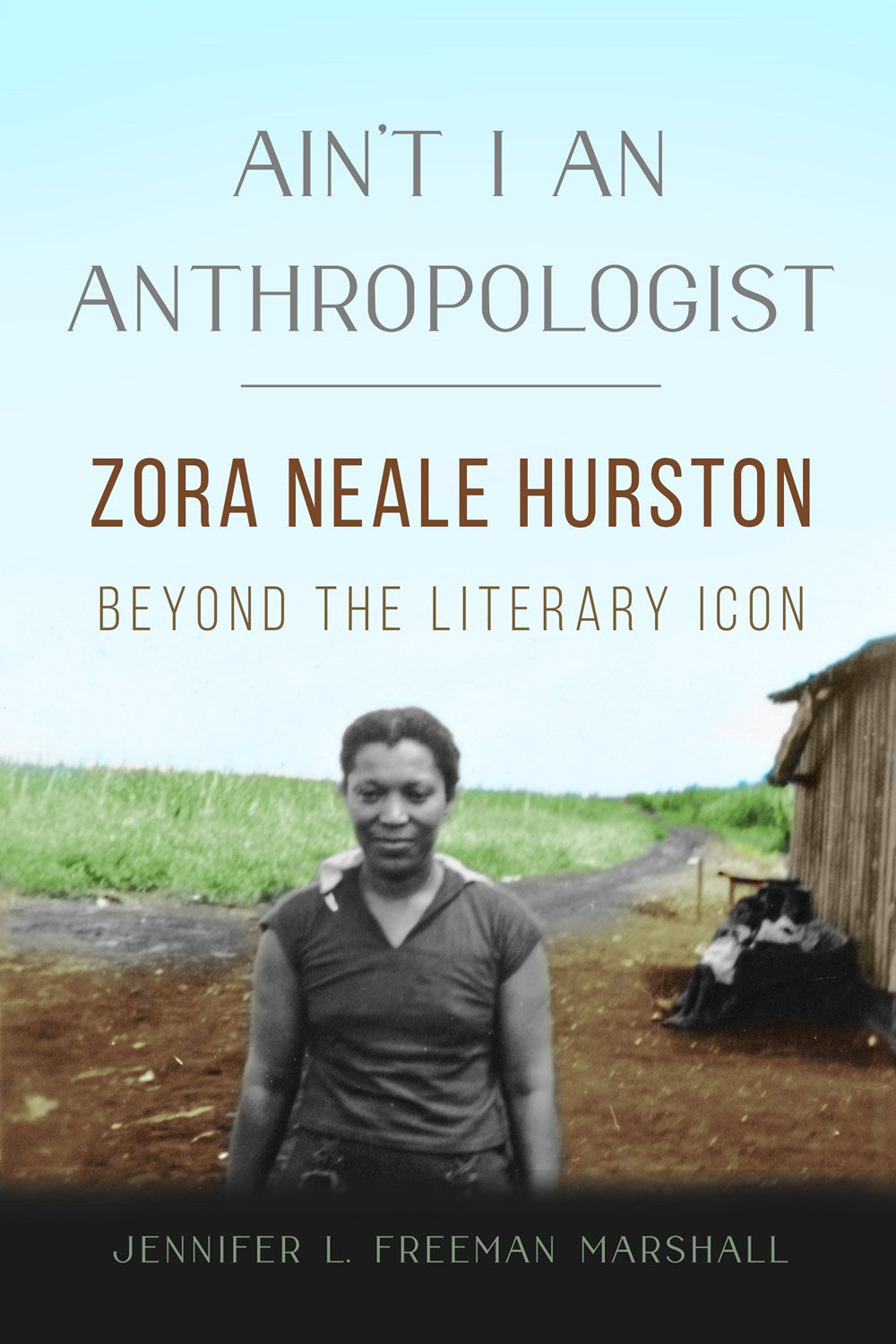
Ain't I an Anthropologist: Zora Neale Hurston Beyond the Literary Icon
by Jennifer L. Freeman Marshall
Sold outIconic as a novelist and popular cultural figure, Zora Neale Hurston remains underappreciated as an anthropologist. Is it inevitable that Hurston’s literary authority should eclipse her anthropological authority? If not, what socio-cultural and institutional values and processes shape the different ways we read her work? Jennifer L. Freeman Marshall considers the polar receptions to Hurston’s two areas of achievement by examining the critical response to her work across both fields. Drawing on a wide range of readings, Freeman Marshall explores Hurston’s popular appeal as iconography, her elevation into the literary canon, her concurrent marginalization in anthropology despite her significant contributions, and her place within constructions of Black feminist literary traditions. Perceptive and original, Ain’t I an Anthropologist is an overdue reassessment of Zora Neale Hurston’s place in American cultural and intellectual life.
- Black Scare / Red Scare: Theorizing Capitalist Racism in the United States
![Black Scare / Red Scare: Theorizing Capitalist Racism in the United States]()
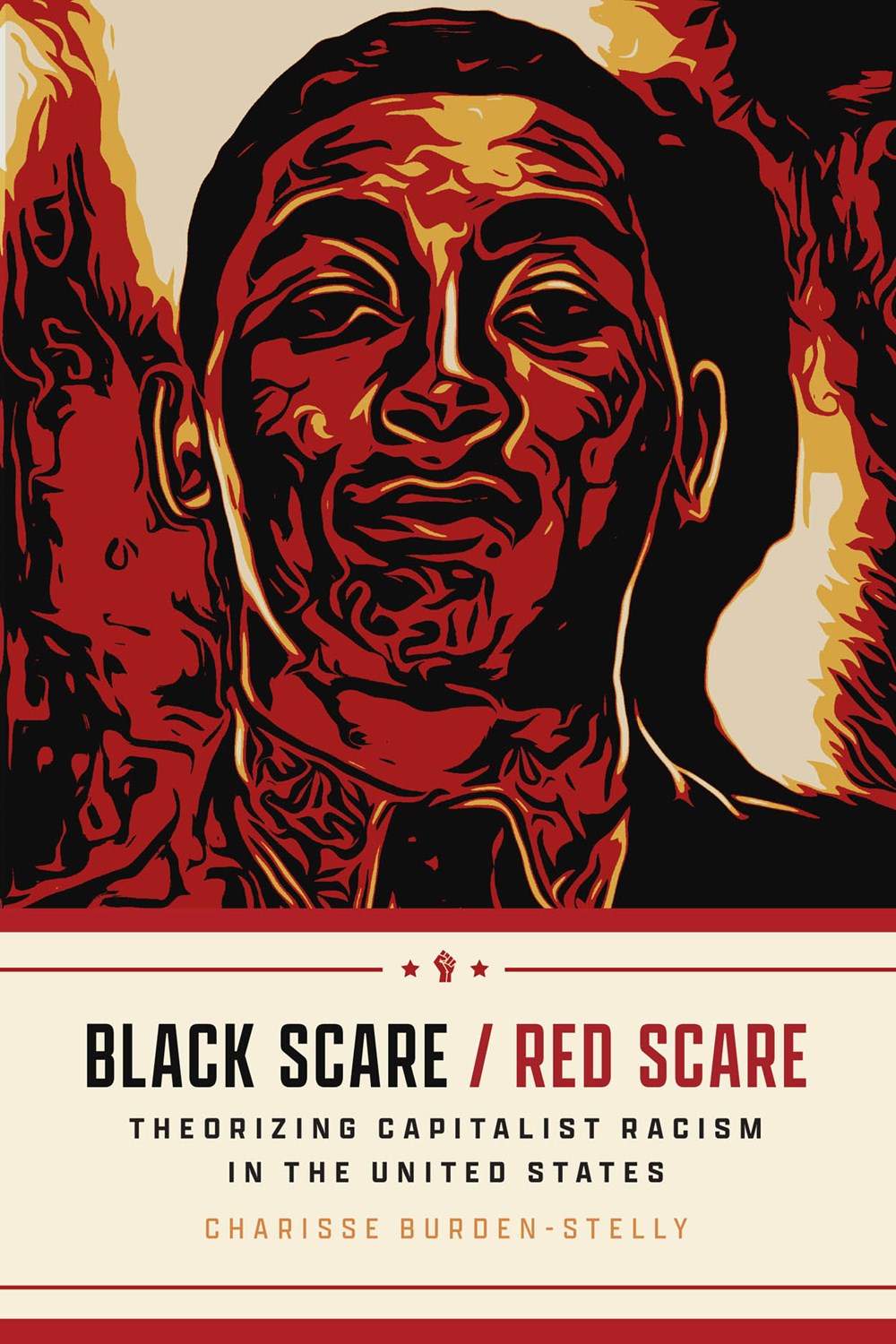
Black Scare / Red Scare: Theorizing Capitalist Racism in the United States
by Charisse Burden-Stelly
$26.00A radical explication of the ways anti-Black racial oppression has infused the US government’s anti-communist repression.
In the early twentieth century, two panics emerged in the United States. The Black Scare was rooted in white Americans’ fear of Black Nationalism and dread at what social, economic, and political equality of Black people might entail. The Red Scare, sparked by communist uprisings abroad and subversion at home, established anticapitalism as a force capable of infiltrating and disrupting the American order. In Black Scare / Red Scare, Charisse Burden-Stelly meticulously outlines the conjoined nature of these state-sanctioned panics, revealing how they unfolded together as the United States pursued capitalist domination. Antiradical repression, she shows, is inseparable from anti-Black oppression, and vice versa.
Beginning her account in 1917—the year of the Bolshevik Revolution, the East St. Louis Race Riot, and the Espionage Act—Burden-Stelly traces the long duration of these intertwined and mutually reinforcing phenomena. She theorizes two bases of the Black Scare / Red Scare: US Capitalist Racist Society, a racially hierarchical political economy built on exploitative labor relationships, and Wall Street Imperialism, the violent processes by which businesses and the US government structured domestic and foreign policies to consolidate capital and racial domination. In opposition, Radical Blackness embodied the government’s fear of both Black insurrection and Red instigation. The state’s actions and rhetoric therefore characterized Black anticapitalists as foreign, alien, and undesirable. This reactionary response led to an ideology that Burden-Stelly calls True Americanism, the belief that the best things about America were absolutely not Red and not Black, which were interchangeable threats.
Black Scare / Red Scare illuminates the anticommunist nature of the US and its governance, but also shines a light on a misunderstood tradition of struggle for Black liberation. Burden-Stelly highlights the Black anticapitalist organizers working within and alongside the international communist movement and analyzes the ways the Black Scare/Red Scare reverberates through ongoing suppression of Black radical activism today. Drawing on a range of administrative, legal, and archival sources, Burden-Stelly incorporates emancipatory ideas from several disciplines to uncover novel insights into Black political minorities and their legacy. - Beyond Respectability: The Intellectual Thought of Race Women
![Beyond Respectability: The Intellectual Thought of Race Women]()
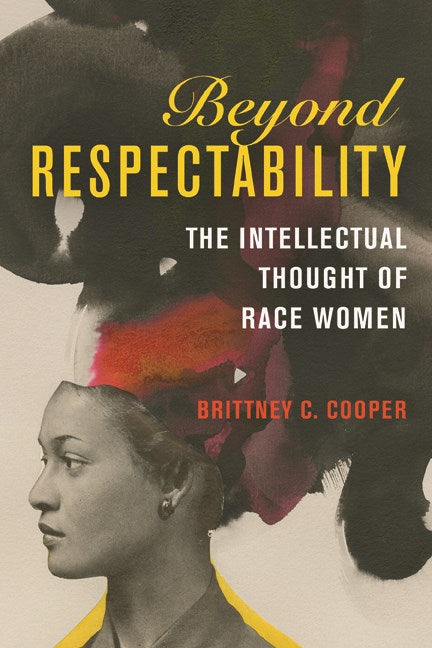
Beyond Respectability: The Intellectual Thought of Race Women
by Brittney C. Cooper
$19.95Beyond Respectability charts the development of African American women as public intellectuals and the evolution of their thought from the end of the 1800s through the Black Power era of the 1970s. Eschewing the Great Race Man paradigm so prominent in contemporary discourse, Brittney C. Cooper looks at the far-reaching intellectual achievements of female thinkers and activists like Anna Julia Cooper, Mary Church Terrell, Fannie Barrier Williams, Pauli Murray, and Toni Cade Bambara. Cooper delves into the processes that transformed these women and others into racial leadership figures, including long-overdue discussions of their theoretical output and personal experiences. As Cooper shows, their body of work critically reshaped our understandings of race and gender discourse. It also confronted entrenched ideas of how--and who--produced racial knowledge. - The Myth of Black Capitalism: New Edition
![The Myth of Black Capitalism: New Edition]()
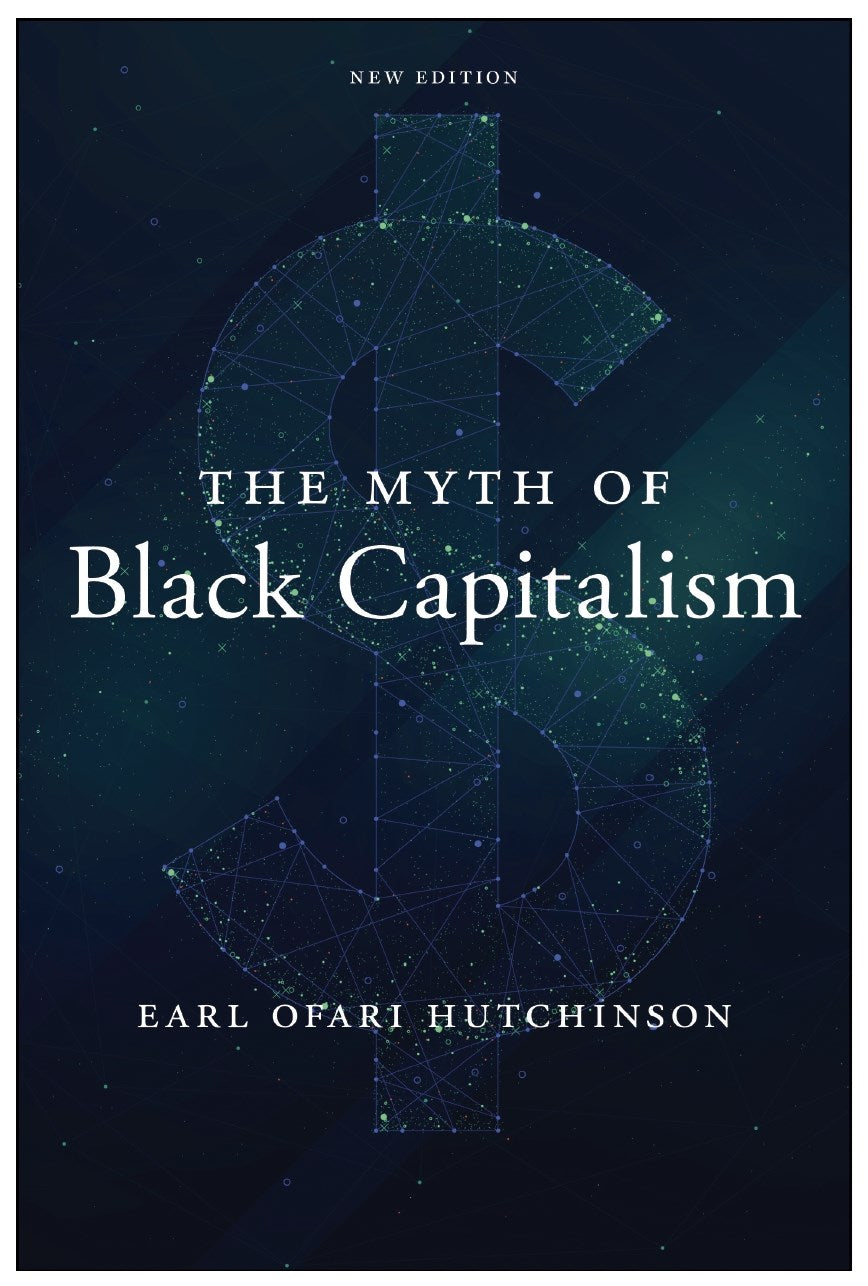
The Myth of Black Capitalism: New Edition
by Earl Ofari Hutchinson
Sold outDeciphers the history of “Black capitalist” rhetoric— and how it serves to enrich a minuscule few at the expense of the many
In his 1970 book The Myth of Black Capitalism, Earl Ofari Hutchinson laid out a rigorous challenge to the presumption that capitalism, in any shape or form, has the potential to rectify the stark injustices endured by Black people in America. Ofari engaged in a diligent historical review of the participation of African Americans in commercial activity in this capitalist country, demonstrating conclusively that the creation of a class of Black capitalists failed to ameliorate the extreme inequity faced by African Americans. Even “Buy Black” campaigns which aimed to “keep resources in the community,” he showed, reinforced a Black bourgeoisie which often enough exploited the Black underclass to increase their own wealth. Whether Black capitalists dared to go up against, or merely tried to find their place amongst, giant monopoly corporations, Ofari argued they would make little substantive progress in the lives of Black people. And whether calls for “Black capitalism” came from within the Black Power movement for Black economic autonomy, or were appropriated by the old-line Black elite, in the end the promotion of the myth of “Black capitalism” was a project of the Black elite which solely served the interests of the capitalist managerial class.
It was Richard Nixon who first introduced the notion of “Black capitalism” into mainstream American discourse, coopting the term at a time when African Americans comprised only 3% of the nation’s employers. That number dwindled thereafter, and yet the term only gained cachet following the election of Barack Obama and the increased visibility of the Black elite. Thankfully, just as the rhetoric of ‘Black capitalism” is being resuscitated, it is being confronted once more. In this second edition of Earl Ofari’s pathbreaking book, a Monthly Review Press classic, the author adds a new Introduction, which shows both the enduring strength of the ideology of Black capitalism and its continued inability to change the nature of what has always been a racialized system of production and distribution. Ofari reveals “Black capitalism" for what it really is: a diversion from the struggle for liberation that works at cross purposes with the fight against exploitation, and a fantasy which enriches a minuscule few at the expense of the many. The Myth of Black Capitalism argues definitively that only a direct assault on the oppression of Black people and the capitalist system itself can bring this exploitation to an end. - Walking in My Joy: In These Streets by Jenifer Lewis
![Walking in My Joy: In These Streets by Jenifer Lewis]()

Walking in My Joy: In These Streets by Jenifer Lewis
Sold outIn this exciting collection infused with her sharp humor and buoyant spirit.
Jenifer Lewis, the author of the hugely successful The Mother of Black Hollywood and costar of ABC’s hit sitcom Black-ish, shares the way she found the strength and courage to walk in her joy despite personal and universal hardships.
In this entertaining essay collection, the inimitable Jenifer Lewis looks back on some of her memorable adventures and experiences, using them as a mirror to reflect modern life and what is happening today. Her stories will have you laughing out loud, while her insightful messages will touch your soul.
This self-described “traveling fool and nature freak” takes us on her incredible journeys around the world, from Cape Town to Dubrovnik, the White House to the Serengeti, Mongolia to St. Petersburg, Argentina to Antarctica. Surprising and entertaining, her wildly diverse experiences reveal, that no matter where she is or what she faces, Jenifer walks in her joy, confident in herself and her purpose—whether it’s an unforgettable confrontation with a Trump supporter on a slow boat to Singapore; an alien visitation; enduring Covid-19 and a friend’s suicide attempt; taking down a conman; meeting a handsome Masai warrior and being chased by a cape buffalo. Jenifer also offers deep personal reflections on the repercussions of sexual violation; the murder of George Floyd and the racial reckoning in its wake.
Jenifer shares the importance of fully living to our greatest ambitions and taking time to admire the universe’s natural gifts along the way; to be present in the moment, and reject being a victim of circumstance. She offers advice on self-love and how to protect ourselves from those determined to steal our joy. In this collection, Jenifer urges us to feel it all, live it out loud, and keep it moving. Basically, do your best and leave the rest.
- Feminist AF: A Guide to Crushing Girlhood
![Feminist AF: A Guide to Crushing Girlhood]()
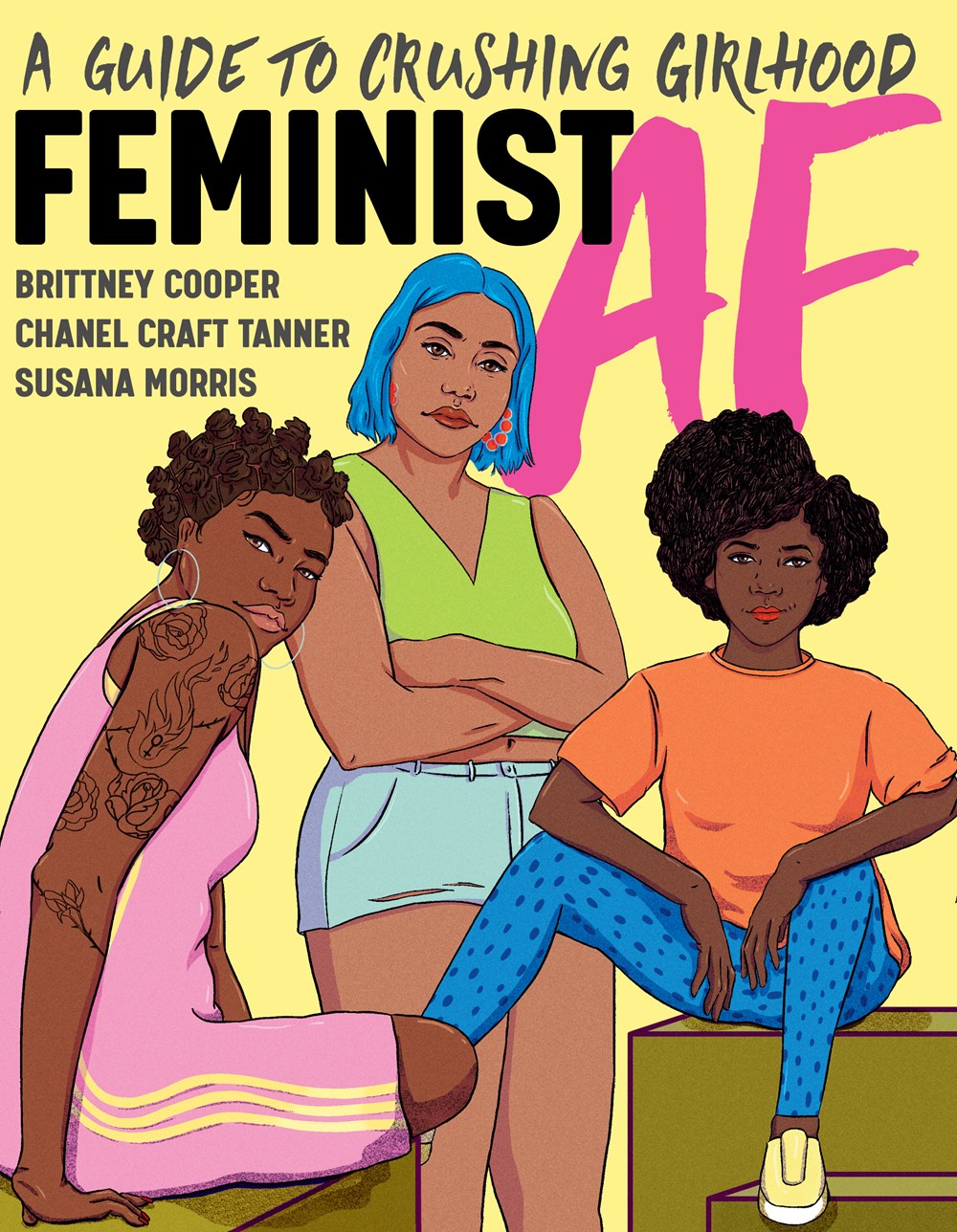
Feminist AF: A Guide to Crushing Girlhood
by Brittney Cooper
$16.95*ships in 7-10 business days*
Hip-hop and feminism combine in this empowering guide with attitude, from best-selling author Brittney Cooper and founding members of the Crunk Feminist Collective.
Loud and rowdy girls, quiet and nerdy girls, girls who rock naturals, girls who wear weave, outspoken and opinionated girls, girls still finding their voice, queer girls, trans girls, and gender nonbinary young people who want to make the world better: Feminist AF uses the insights of feminism to address issues relevant to today’s young womxn.
What do you do when you feel like your natural hair is ugly, or when classmates keep touching it? How do you handle your self-confidence if your family or culture prizes fair-skinned womxn over darker-skinned ones? How do you balance your identities if you’re an immigrant or the child of immigrants? How do you dress and present yourself in ways that feel good when society condemns anything outside of the norm? Covering colorism and politics, romance and pleasure, code switching, and sexual violence, Feminist AF is the empowering guide to living your feminism out loud.
- Read This to Get Smarter: about Race, Class, Gender, Disability & More
![Read This to Get Smarter: about Race, Class, Gender, Disability & More]()

Read This to Get Smarter: about Race, Class, Gender, Disability & More
by Blair Imani
$16.99An approachable guide to being an informed, compassionate, and socially conscious person today—from discussions of race, gender, and sexual orientation to disability, class, and beyond—from critically acclaimed historian, educator, and author Blair Imani.
“Blair answers the questions that so many of us are asking.”—Layla F. Saad, author of Me and White Supremacy
We live in a time where it has never been more important to be knowledgeable about a host of social issues, and to be confident and appropriate in how to talk about them. What’s the best way to ask someone what their pronouns are? How do you talk about racism with someone who doesn’t seem to get it? What is intersectionality, and why do you need to understand it? While it can seem intimidating or overwhelming to learn and talk about such issues, it’s never been easier thanks to educator and historian Blair Imani, creator of the viral sensation Smarter in Seconds videos.
Accessible to learners of all levels—from those just getting started on the journey to those already versed in social justice—Read This to Get Smarter covers a range of topics, including race, gender, class, disability, relationships, family, power dynamics, oppression, and beyond. This essential guide is a radical but warm and non-judgmental call to arms, structured in such a way that you can read it cover to cover or start with any topic you want to learn more about.
With Blair Imani as your teacher, you’ll “get smarter” in no time, and be equipped to intelligently and empathetically process, discuss, and educate others on the crucial issues we must tackle to achieve a liberated, equitable world. - The Fire This Time
![The Fire This Time]()
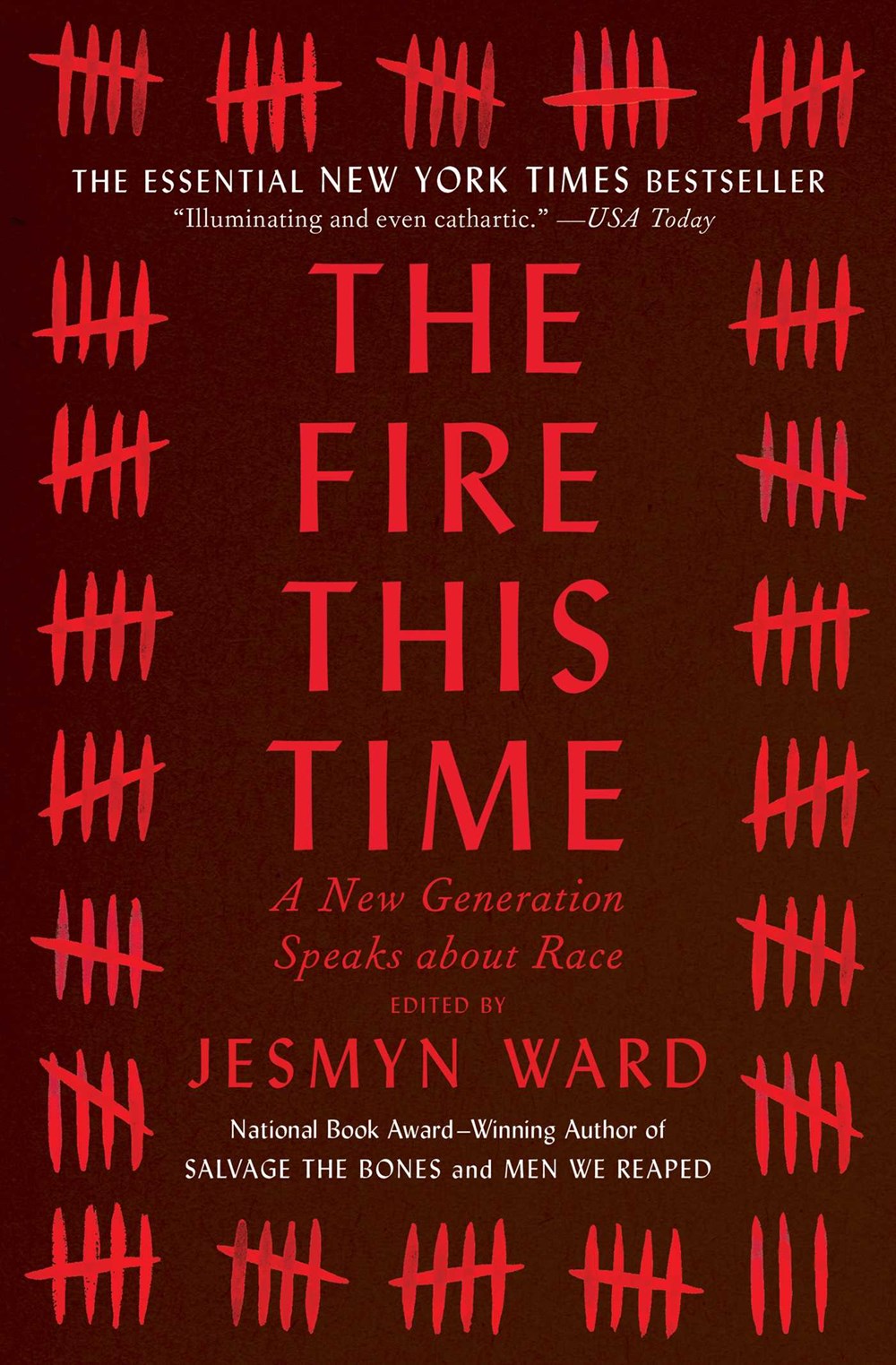
The Fire This Time
edited by Jesmyn Ward
Sold out*Ships/ready for pick-up in 7-10 business days*
The New York Times bestseller, these groundbreaking essays and poems about race—collected by National Book Award winner Jesmyn Ward and written by the most important voices of her generation—are “thoughtful, searing, and at times, hopeful. The Fire This Time is vivid proof that words are important, because of their power to both cleanse and to clarify” (USA TODAY).
In this bestselling, widely lauded collection, Jesmyn Ward gathers our most original thinkers and writers to speak on contemporary racism and race, including Carol Anderson, Jericho Brown, Edwidge Danticat, Kevin Young, Claudia Rankine, and Honoree Jeffers. “An absolutely indispensable anthology” (Booklist, starred review), The Fire This Time shines a light on the darkest corners of our history, wrestles with our current predicament, and imagines a better future.
Envisioned as a response to The Fire Next Time, James Baldwin’s groundbreaking 1963 essay collection, these contemporary writers reflect on the past, present, and future of race in America. We’ve made significant progress in the fifty-odd years since Baldwin’s essays were published, but America is a long and painful distance away from a “post-racial society”—a truth we must confront if we are to continue to work towards change. Baldwin’s “fire next time” is now upon us, and it needs to be talked about; The Fire This Time “seeks to place the shock of our own times into historical context


![Turkey and the Wolf: Flavor Trippin' in New Orleans [A Cookbook] cover image](http://kindredstorieshtx.com/cdn/shop/files/9781984858993_{width}x.jpg?v=1758137352)
![Turkey and the Wolf: Flavor Trippin' in New Orleans [A Cookbook] cover image](http://kindredstorieshtx.com/cdn/shop/files/9781984858993_2048x2048.jpg?v=1758137352)


Stay Informed. We're building a community committed to celebrating Black authors + artisans. Subscribe to keep up with all things Kindred Stories.