
Non-fiction
- Salvage: Readings from the Wreck
![Salvage: Readings from the Wreck cover image]()

Salvage: Readings from the Wreck
Dionne Brand
$19.00One of Literary Hub's most anticipated books of 2024. Winner of the 2025 OCM Bocas Prize for Caribbean Literature.
Dionne Brand explores English and American literature, and the colonial aesthetic that shaped her sense of self and the world, of what was possible and what was not.
In Salvage: Readings from the Wreck, Dionne Brand’s first major book of nonfiction since her classic A Map to the Door of No Return, the acclaimed poet and novelist offers a bracing look at the intersections of reading and life, and what remains in the wreck of empire. Blending literary criticism and autobiography-as-artifact, Brand reads Aphra Behn’s Oroonoko, Daniel Defoe’s Robinson Crusoe, and Jane Austen’s Mansfield Park, among other still widely studied works, to explore encounters with colonial, imperialist, and racist tropes from the seventeenth to the nineteenth centuries―tropes that continue in new forms today. Brand vividly shows how contemporary practices of reading and writing are shaped by the narrative structures of these and related works, and explores how, in the face of this, one writes a narrative of Black life that attends to its own consciousness and expression.
With the power and eloquence of a great poet coupled with the rigor of a deep and subtle thinker, Brand reveals how she learned to read the literature of two empires, British and American, in an anticolonial light―in order to survive, and in order to live.
This is the library, the wreck, and the potential for salvage she offers us now, in a brilliant, groundbreaking, and essential work.
- Hidden Landmarks of Black History (From the Archives)
![Hidden Landmarks of Black History (From the Archives) cover image]()

Hidden Landmarks of Black History (From the Archives)
Jay Leslie
from $7.99A perfect book for young readers to discover lesser-known places that have shaped Black history in the United States.
The square in New Orleans where enslaved people met to sing, dance, and play music together. The oldest Black church still standing in the United States. The first Freedmen's colony in the country. Throughout history, Black people have founded communities, churches, and more to fight for equality. Celebrate little-known historic sites like these and learn about their social impact on American history in Hidden Landmarks of Black History.
ABOUT THIS SERIES:
This brand-new series is rooted in a profound commitment to shedding light on some of the important -- and often lesser-known -- aspects of Black history. From the Archives features landmarks, events, people, and artistic endeavors that have played a significant role in the Black experience in America and offers a chance to celebrate them. Written in a vivid, engaging style and featuring a colorful combination of photos and illustrations, each title serves as a powerful vehicle for education, inspiration, and empowerment for young readers.
- The Blue Period: Black Writing in the Early Cold War (Thinking Literature)
![The Blue Period: Black Writing in the Early Cold War (Thinking Literature) cover image]()

The Blue Period: Black Writing in the Early Cold War (Thinking Literature)
Jesse McCarthy
$25.00Addresses the political and aesthetic evolution of African American literature and its authors during the Cold War, an era McCarthy calls “the Blue Period.”
In the years after World War II, to be a black writer was to face a stark predicament. The contest between the Soviet Union and the United States was a global one—an ideological battle that dominated almost every aspect of the cultural agenda. On the one hand was the Soviet Union, espousing revolutionary communism that promised egalitarianism while being hostile to conceptions of personal freedom. On the other hand was the United States, a country steeped in racial prejudice and the policies of Jim Crow.
Black writers of this time were equally alienated from the left and the right, Jesse McCarthy argues, and they channeled that alienation into remarkable experiments in literary form. Embracing racial affect and interiority, they forged an aesthetic resistance premised on fierce dissent from both US racial liberalism and Soviet communism. From the end of World War II to the rise of the Black Power movement in the 1960s, authors such as Richard Wright, James Baldwin, Gwendolyn Brooks, and Paule Marshall defined a distinctive moment in American literary culture that McCarthy terms the Blue Period.
In McCarthy’s hands, this notion of the Blue Period provides a fresh critical framework that challenges long-held disciplinary and archival assumptions. Black writers in the early Cold War went underground, McCarthy argues, not to depoliticize or liberalize their work, but to make it more radical—keeping alive affective commitments for a future time.
- The Portable Frederick Douglass (Penguin Classics)
![The Portable Frederick Douglass (Penguin Classics) cover image]()

The Portable Frederick Douglass (Penguin Classics)
Frederick Douglass
$25.00A new collection of the seminal writings and speeches of a legendary writer, orator, and civil rights leader
This compact volume offers a full course on the remarkable, diverse career of Frederick Douglass, letting us hear once more a necessary historical figure whose guiding voice is needed now as urgently as ever. Edited by renowned scholar Henry Louis Gates, Jr., and Pulitzer Prize–nominated historian John Stauffer, The Portable Frederick Douglass includes the full range of Douglass’s works: the complete Narrative of the Life of Frederick Douglass, as well as extracts from My Bondage and My Freedom and Life and Times of Frederick Douglass; The Heroic Slave, one of the first works of African American fiction; the brilliant speeches that launched his political career and that constitute the greatest oratory of the Civil War era; and his journalism, which ranges from cultural and political critique (including his early support for women’s equality) to law, history, philosophy, literature, art, and international affairs, including a never-before-published essay on Haitian revolutionary Toussaint L’Ouverture.
The Portable Frederick Douglass is the latest addition in a series of African American classics curated by Henry Louis Gates, Jr. First published in 2008, the series reflects a selection of great works of fiction, nonfiction, and poetry by African and African American authors introduced and annotated by leading scholars and acclaimed writers in new or updated editions for Penguin Classics. In his series essay, “What Is an African American Classic?” Gates provides a broader view of the canon of classics of African American literature available from Penguin Classics and beyond. Gates writes, “These texts reveal the human universal through the African American particular: all true art, all classics do this; this is what ‘art’ is, a revelation of that which makes each of us sublimely human, rendered in the minute details of the actions and thoughts and feelings of a compelling character embedded in a time and place.”
For more than seventy years, Penguin has been the leading publisher of classic literature in the English-speaking world. With more than 1,700 titles, Penguin Classics represents a global bookshelf of the best works throughout history and across genres and disciplines. Readers trust the series to provide authoritative texts enhanced by introductions and notes by distinguished scholars and contemporary authors, as well as up-to-date translations by award-winning translators. - The Story of Serena Williams: An Inspiring Biography for Young Readers (The Story of Biographies)
![Book cover image]()

The Story of Serena Williams: An Inspiring Biography for Young Readers (The Story of Biographies)
by Shadae Mallory and Tequitia Andrews
$15.99Discover the life of Serena Williams―a story about challenging yourself and achieving your dreams for kids ages 6 to 9
Serena Williams is one of the most famous and talented tennis players in history. Before she became a legendary professional athlete, she was a young girl who loved reading and gymnastics and started playing tennis at three years old! In this book about Serena Williams for kids, new readers will explore how she faced discrimination, injuries, and many other challenges, but still worked hard to be the best player she could be.
Independent reading―This biography book for kids is broken down into short chapters and simple language so they can read and learn on their own.
Critical thinking―Kids will learn the Who, What, Where, When, Why, and How of Serena's life, find definitions of new words, discussion questions, and more.
A lasting legacy―Find out how Serena's love for her family and her community inspired her to get involved with important charity work, helping people all over the world.
How will Serena's competitive spirit inspire you?
- We Were Once a Family
![Book cover image]()

We Were Once a Family
by Roxanna Asgarian
Sold outWinner of the 2023 National Book Critics Circle for Nonfiction and the Los Angeles Times Book Prize
A Washington Post best nonfiction book of 2023 | Winner of the Carnegie Medal for Excellence in Nonfiction
“A riveting indictment of the child welfare system . . . [A] bracing gut punch of a book.” ―Robert Kolker, The Washington Post
“[A] moving and superbly reported book.” ―Jessica Winter, The New Yorker
“A harrowing account . . . [and] a powerful critique of [the] foster care system . . . We Were Once a Family is a wrenching book.” ―Jennifer Szalai, The New York Times
A New York Times Book Review Editors’ Choice | One of Publishers Weekly's best nonfiction books of 2023
The shocking, deeply reported story of a murder-suicide that claimed the lives of six children―and a searing indictment of the American foster care system.
On March 26, 2018, rescue workers discovered a crumpled SUV and the bodies of two women and multiple children at the bottom of a cliff along the Pacific Coast Highway. Investigators soon concluded that the crash was a murder-suicide, but there was more to the story: Jennifer and Sarah Hart, it turned out, were a white married couple who had adopted six Black children from two different Texas families in 2006 and 2008. Behind the family’s loving facade was an alleged pattern of abuse and neglect that had been ignored as the couple withdrew the children from school and moved west. It soon became apparent that the State of Texas knew all too little about the two individuals to whom it had given custody of six children.
Immersive journalism of the highest order, Roxanna Asgarian’s We Were Once a Family is a revelation of precarious lives; it is also a shattering exposé of the foster care and adoption systems that produced this tragedy. As a journalist in Houston, Asgarian sought out the children’s birth families and put them at the center of the story. We follow the lives of the Harts’ adopted children and their birth parents, and the machinations of the state agency that sent the children far away. Asgarian’s reporting uncovers persistent racial biases and corruption as young people of color are separated from birth parents without proper cause. The result is a riveting narrative and a deeply reported indictment of a system that continues to fail America’s most vulnerable children while upending the lives of their families.
- My Bondage and My Freedom: The Givens Collection
![My Bondage and My Freedom: The Givens Collection cover image]()

My Bondage and My Freedom: The Givens Collection
Frederick Douglass
Sold outMy Bondage and My Freedom is the second of three published autobiographies from one of the most brilliant and eloquent abolitionists and human rights activists in American history. The Narrative of the Life of Frederick Douglass, an American Slave was published ten years before in 1845, while The Life and Times of Frederick Douglass was published twenty-five years later.
- Afro-Fabulations: The Queer Drama of Black Life
![Afro-Fabulations: The Queer Drama of Black Life]()
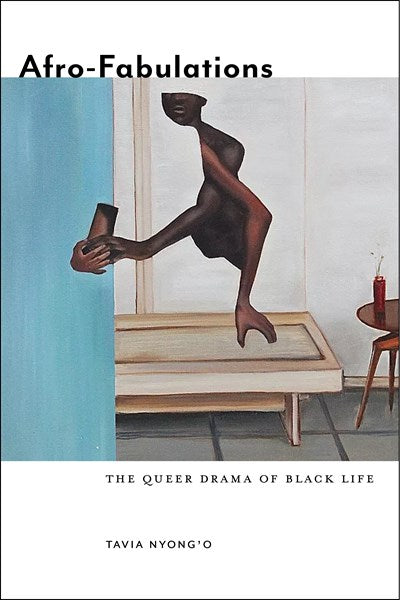
Afro-Fabulations: The Queer Drama of Black Life
by Tavia Nyong'o
$30.00*Ships in 7-10 Business Days*
In Afro-Fabulations: The Queer Drama of Black Life, cultural critic and historian Tavia Nyong’o surveys the conditions of contemporary black artistic production in the era of post-blackness. Moving fluidly between the insurgent art of the 1960’s and the intersectional activism of the present day, Afro-Fabulations challenges genealogies of blackness that ignore its creative capacity to exceed conditions of traumatic loss, social death, and archival erasure.
If black survival in an anti-black world often feels like a race against time, Afro-Fabulations looks to the modes of memory and imagination through which a queer and black polytemporality is invented and sustained. Moving past the antirelational debates in queer theory, Nyong’o posits queerness as “angular sociality,” drawing upon queer of color critique in order to name the gate and rhythm of black social life as it moves in and out of step with itself. He takes up a broad range of sites of analysis, from speculative fiction to performance art, from artificial intelligence to Blaxploitation cinema. Reading the archive of violence and trauma against the grain, Afro-Fabulations summons the poetic powers of queer world-making that have always been immanent to the fight and play of black life. - American Dark Age: Racial Feudalism and the Rise of Black Liberalism
![Book cover image]()

American Dark Age: Racial Feudalism and the Rise of Black Liberalism
Keidrick Roy
$35.00How medieval-inspired racial feudalism reigned in early America and was challenged by Black liberal thinkers
Though the United States has been heralded as a beacon of democracy, many nineteenth-century Americans viewed their nation through the prism of the Old World. What they saw was a racially stratified country that reflected not the ideals of a modern republic but rather the remnants of feudalism. American Dark Age reveals how defenders of racial hierarchy embraced America’s resemblance to medieval Europe and tells the stories of the abolitionists who exposed it as a glaring blemish on the national conscience.
Against those seeking to maintain what Frederick Douglass called an “aristocracy of the skin,” Keidrick Roy shows how a group of Black thinkers, including Frances Ellen Watkins Harper, Hosea Easton, and Harriet Jacobs, challenged the medievalism in their midst—and transformed the nation’s founding liberal tradition. He demonstrates how they drew on spiritual insight, Enlightenment thought, and a homegrown political philosophy that gave expression to their experiences at the bottom of the American social order. Roy sheds new light on how Black abolitionist writers and activists worked to eradicate the pernicious ideology of racial feudalism from American liberalism and renew the country’s commitment to values such as individual liberty, social progress, and egalitarianism.
American Dark Age reveals how the antebellum Black liberal tradition holds vital lessons for us today as hate groups continue to align themselves with fantasies of a medieval past and openly call for a return of all-powerful monarchs, aristocrats, and nobles who rule by virtue of their race.
- Rise of a Killah
![Book cover image]()

Rise of a Killah
$35.00*ships in 7 - 10 business days*
The story of the celebrated rapper and the iconic Wu-Tang Clan, told by one of its founding members
Dennis Coles―aka Ghostface Killah―is a co-founder of the Wu-Tang Clan, a legendary hip hop group who established themselves by breaking all the rules, taking their music to the streets during hip hop’s golden era on a decade-long wave of releasing anthem after classic anthem, and serving as the foundation of modern hip hop. An all-star cast who formed like Voltron to establish the pillars that serve as the foundation of modern hip hop and released seminal albums that have stood the test of time.
Rise of a Killah is Ghost’s autobiography, focusing on the people, places and events that mean the most to him as he enters his fourth decade writing and performing. It’s a beautiful and intense book, going back to the creative ferment that led to Ghost’s first handwritten rhymes. Dive into Ghost’s defining personal moments, his battles with his personal demons, his journey to Africa, his religious viewpoints, his childhood in Staten Island, and his commitment to his family (including his two brothers with muscular dystrophy), from the Clan’s early successes to the pinnacle of Ghost’s career touring and spreading his wings as a solo artist, fashion icon, and trendsetter.
Exclusive photos and memorabilia, as well as graphic art commissioned for this book, make Rise of a Killah both a memoir and a unique visual record, a “real feel” narrative of Ghost’s life as he sees it, a one of a kind holy grail for Wu-Tang and Ghost fans alike.
- Radical Reparations: Healing the Soul of a Nation
![Book cover image]()
Radical Reparations: Healing the Soul of a Nation
by Marcus Anthony Hunter
$29.99*Ships in 7-10 business days*
A timely groundbreaking book in the vein of Derrick Bell's Faces at the Bottom of the Well, one of the country's foremost voices on reparations, offers a radical and vital new framework going beyond the current debate over this controversial issue.
For over a century, the idea of reparations for the descendants of enslaved Black Americans has divided the United States. However, while the iconic phrase "40 acres and a mule" encapsulates the general notion of reparations, history has proven that the damages of enslavement on the African American community far exceed what a plot of land or a check could repair.
While reparations are being widely debated once again, current petitions to redress the lasting and collateral consequences of slavery have not moved past economic solutions, even though we know that monetary redress alone is not enough. Not only would many wounds be left unhealed, but relying solely on economics would continue a legacy of neglect for African Americans. In this thoughtful and sure-to-be controversial book, Marcus Anthony Hunter argues that a radical shift in our outlook is necessary; we need more comprehensive solutions such as those currently sought by today's educators, historians, activists, organizers, Afrofuturists, and socially conscious citizens.
In Radical Reparations, this conversation shifter, social justice pioneer, change agent, and inventor of the hashtag #BlackLivesMatter, which redefined the global conversation on racism and social justice, offers a unifying and unconventional framework for achieving holistic and comprehensive healing of African American communities. Hunter reimagines reparations through a profound new lens as he defines seven types of compensation: political, intellectual, legal, economic, spatial, social, and spiritual, using analysis of historical documents, comparative international cases, and speculative parables.
Profound and revolutionary, trenchant and timely, Radical Reparations provides a compellingly and provocatively reframing of reparations' past, present, and future, offering a unifying way forward for us all.
- Academic Branding: A Step-by-Step Guide to Increased Visibility, Authority, and Income
![Book cover image]()

Academic Branding: A Step-by-Step Guide to Increased Visibility, Authority, and Income
by Sheena Howard PhD
$26.95*ships in 7 - 10 days*
Become a thought leader in your postgraduate field—and make money while doing so, with this step-by-step guide from an academic who has been there. Academic Branding gives academics and scholars the tools and strategies they need to position themselves outside of academia so they can reach the masses and make an impact—without the expense of a publicist. With the practices in this book, readers will build a powerful brand, become a public intellectual, and grow their audience with guidance from Sheena C. Howard, PhD. She’s been where you are now, and she’s ready to help you grow beyond what you imagine. With Dr. Howard’s unique and thorough approach to success in the age of social media, you’ll learn how to: * Reframe the way you think about self-promotion * Identify your brand archetype and create a brand statement * Reach an audience beyond academia * Build multiple revenue streams * Get your ideas (and content) to spread * Create a movement around your expertise * Land major media spots and speaking engagements In a world where anyone who is savvy online can turn themselves into a subject matter expert, it’s important that we lift up and amplify the voices of actual subject matter experts. This guide will teach you how to reach the audience that needs your expertise most, building a brand and achieving financial freedom along the way.
- The Other Princess: A Novel of Queen Victoria's Goddaughter
![The Other Princess: A Novel of Queen Victoria's Goddaughter]()
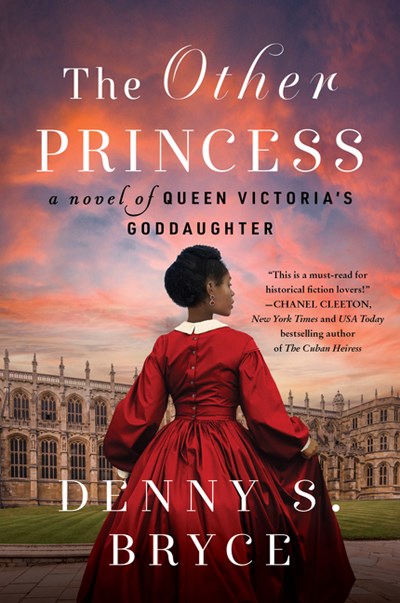
The Other Princess: A Novel of Queen Victoria's Goddaughter
by Denny S. Bryce
$19.99*Ships in 7-10 Business Days*
A stunning portrait of an African princess raised in Queen Victoria’s court and adapting to life in Victorian England—based on the real-life story of a recently rediscovered historical figure, Sarah Forbes Bonetta.
With a brilliant mind and a fierce will to survive, Sarah Forbes Bonetta, a kidnapped African princess, is rescued from enslavement at seven years old and presented to Queen Victoria as a “gift.” To the Queen, the girl is an exotic trophy to be trotted out for the entertainment of the royal court and to showcase Victoria’s magnanimity. Sarah charms most of the people she meets, even those who would cast her aside. Her keen intelligence and her aptitude for languages and musical composition helps Sarah navigate the Victorian era as an outsider given insider privileges.
But embedded in Sarah’s past is her destiny. Haunted by visions of destruction and decapitations, she desperately seeks a place, a home she will never run from, never fear, a refuge from nightmares and memories of death.
From West Africa to Windsor Castle to Sierra Leone, to St. James's Palace, and the Lagos Colony, Sarah juggles the power and pitfalls of a royal upbringing as she battles racism and systematic oppression on her way to living a life worthy of a Yoruba princess.
Based on the real life of Queen Victoria’s Black goddaughter, Sarah Forbes Bonetta’s story is a sweeping saga of an African princess in Victorian England and West Africa, as she searches for a home, family, love, and identity.
- In My Skin: My Life On and Off the Basketball Court
![In My Skin: My Life On and Off the Basketball Court]()
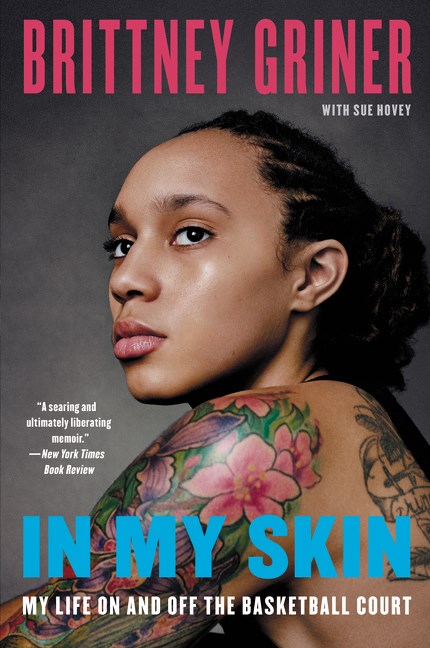
In My Skin: My Life On and Off the Basketball Court
by Brittney Griner with Sue Hovey
Sold out*Ships in 7-10 business days*
The Phoenix Mercury star—the world’s most famous female basketball player—shares her coming-of-age story, revealing how she found the strength to overcome bullies and to embrace her authentic self
“[A] searing and ultimately liberating memoir” —New York Times Book ReviewAt six foot eight with an eighty-eight-inch wingspan and a size 17 men’s shoe, the Phoenix Mercury star and three-time All-American Brittney Griner has been shattering stereotypes and breaking boundaries ever since she burst onto the national scene as a dunking high school phenom. But the sport’s “most transformative figure” (Sports Illustrated) is equally famous for making headlines off the court, for speaking out on issues of gender, sexuality, body image, and self-esteem.
In this heartfelt memoir, Brittney reflects on painful episodes in her life, as well as the highs. She describes how she came to celebrate what makes her unique—inspiring lessons she now shares with readers. Filled with all the humor and personality that Brittney Griner has become known for, In My Skin is more than a glimpse into one of the most original people in sports; it’s a powerful call to readers to be true to themselves, to love who they are on the inside and out. - Fear of a Black Universe: An Outsider's Guide to the Future of Physics
![Fear of a Black Universe: An Outsider's Guide to the Future of Physics]()
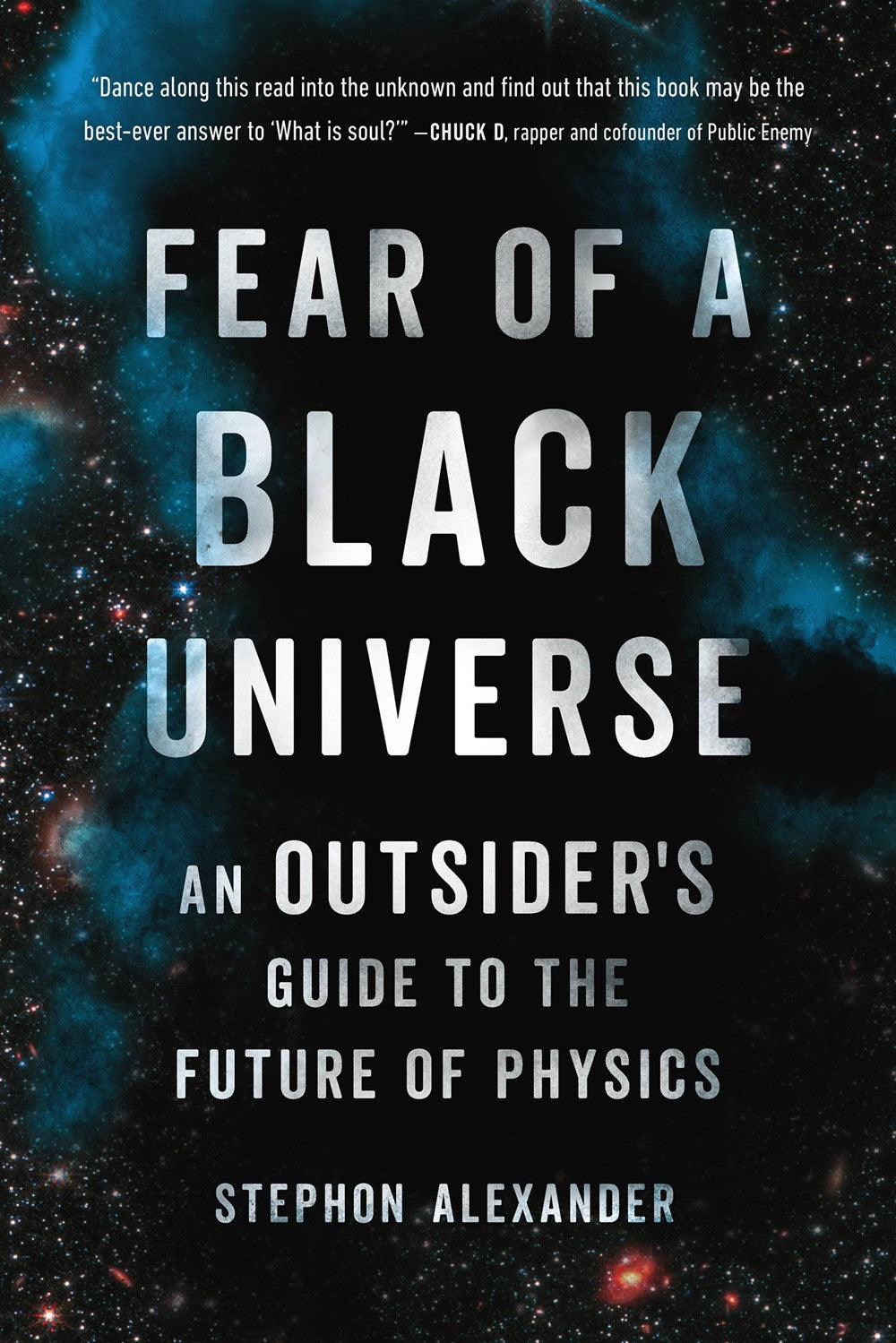
Fear of a Black Universe: An Outsider's Guide to the Future of Physics
by Stephon Alexander
Sold outIn this “captivating” (Sky + Telescope) book, a top cosmologist argues that physics must embrace the excluded and listen to the unheard
When asked by legendary theoretical physicist Christopher Isham why he had attended graduate school, cosmologist Stephon Alexander answered: "To become a better physicist." As a young student, he could hardly have anticipated Isham's response: "Then stop reading those physics books." Instead, Isham said, Alexander should start listening to his dreams.
This is only the first of the many lessons in Fear of a Black Universe. As Alexander explains, greatness in physics requires transgression, a willingness to reject conventional expectations. He shows why progress happens when some physicists come to think outside the mainstream, and why, as in great jazz, great physics requires a willingness to make things up as one goes along.
Compelling and necessary, Fear of a Black Universe offers us remarkable insight into the art of physics and empowers us all to think big. - The Anti-Racist Vocab Guide: An Illustrated Introduction to Dismantling Anti-Blackness
![The Anti-Racist Vocab Guide: An Illustrated Introduction to Dismantling Anti-Blackness]()
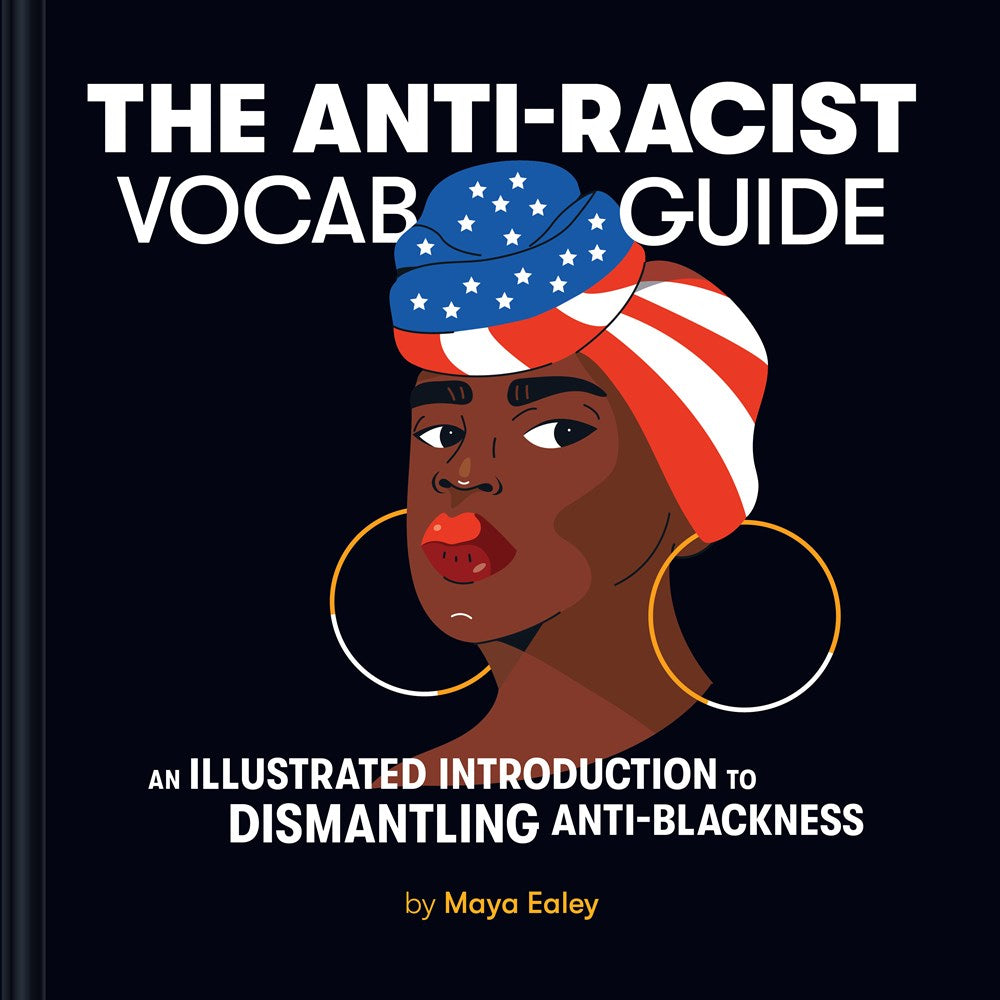
The Anti-Racist Vocab Guide: An Illustrated Introduction to Dismantling Anti-Blackness
by Maya Ealey
$18.95*Ships in 7-10 Business Days*
From "Assimilation" to "Decolonization," "Black Wall Street" to "Police Brutality," and "Colorism" to "White Supremacy," this book equips you with the language to engage in crucial conversations around anti-Black racism.
The Anti-Racist Vocab Guide is a boldly illustrated visual glossary that distills complex subjects into comprehensive yet accessible definitions of terms and provides concise and insightful explanations of historical moments. With reflection questions to use for introspection or as a starting point for hard conversations with those close to you, this book will encourage both your learning and unlearning—no matter where you are in your journey to understanding race in America.
THOROUGH AND APPROACHABLE: This book presents huge topics in easy-to-understand language that welcomes readers of every experience.
REFLECTION QUESTIONS: Each entry is followed by questions to encourage readers to continue their education and translate their new understanding into positive action in their daily lives.
BEYOND THE BUZZWORDS: This is an invaluable resource guide that breaks down and goes beyond common phrases to provide actionable awareness.
EVOCATIVE ART: Author Maya Ealey's striking art provides conceptual illustrations of each term explained in the book in her bold, passionate style.
Perfect for:- Anyone interested in learning more about race in America
- People who want help understanding the complicated subject of racism
- Parents, teachers, and students
- Readers of instructive and informative best sellers such as How to Be an Antiracist, White Fragility, The 1619 Project, and Do the Work!: An Antiracist Activity Book
- Watch Your Language: Visual and Literary Reflections on a Century of American Poetry
![Watch Your Language: Visual and Literary Reflections on a Century of American Poetry]()
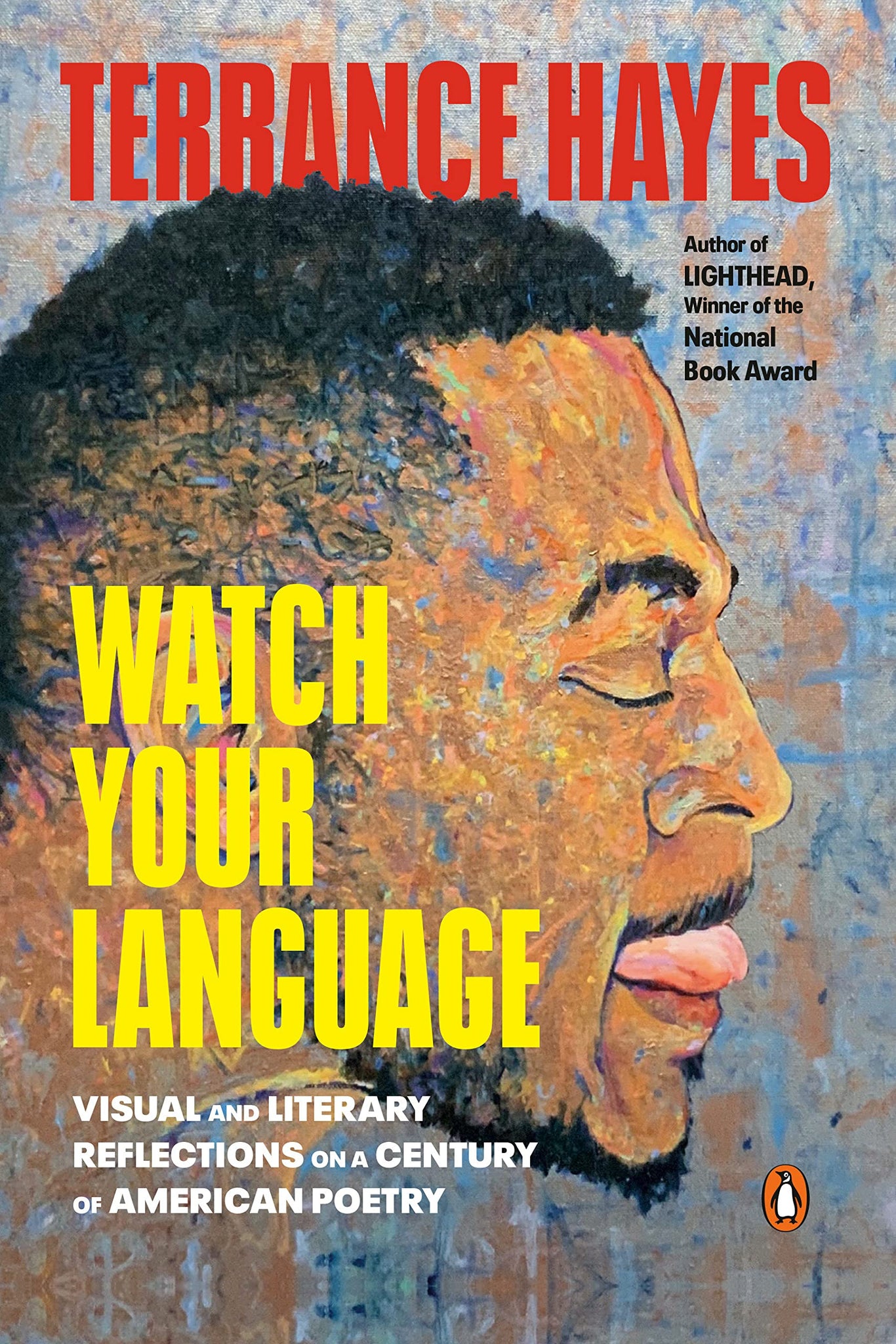
Watch Your Language: Visual and Literary Reflections on a Century of American Poetry
by Terrance Hayes
$20.00*ships in 7-10 business days*
From the National Book Award–winning author of Lighthead, Terrance Hayes, a fascinating collection of graphic reviews and illustrated prose addressing the last century of American poetry—to be published simultaneously with his latest poetry collection, So to Speak
Canonized, overlooked, and forgotten African American poets star in Terrance Hayes's brilliant contemplations of personal, canonical, and allegorical literary development. Proceeding from Toni Morrison's aim to expand the landscape of literary imagination in Playing in the Dark ("I want to draw a map, so to speak, of a critical geography"), Watch Your Language charts a lyrical geography of reading and influence in poetry. Illustrated micro-essays, graphic book reviews, biographical prose poems, and nonfiction sketches make reading an imaginative and critical act of watching your language. Hayes has made a kind of poetic guidebook with more questions than answers. "If you don't see suffering's potential as art, will it remain suffering?" he asks in one of the lively mock poetry exam questions of this musing, mercurial collection. Hayes's astonishing drawings and essays literally and figuratively map the acclaimed poet's routes, roots, and wanderings through the landscape of contemporary poetry. - The Conspiracy to Destroy Black Women
![The Conspiracy to Destroy Black Women]()
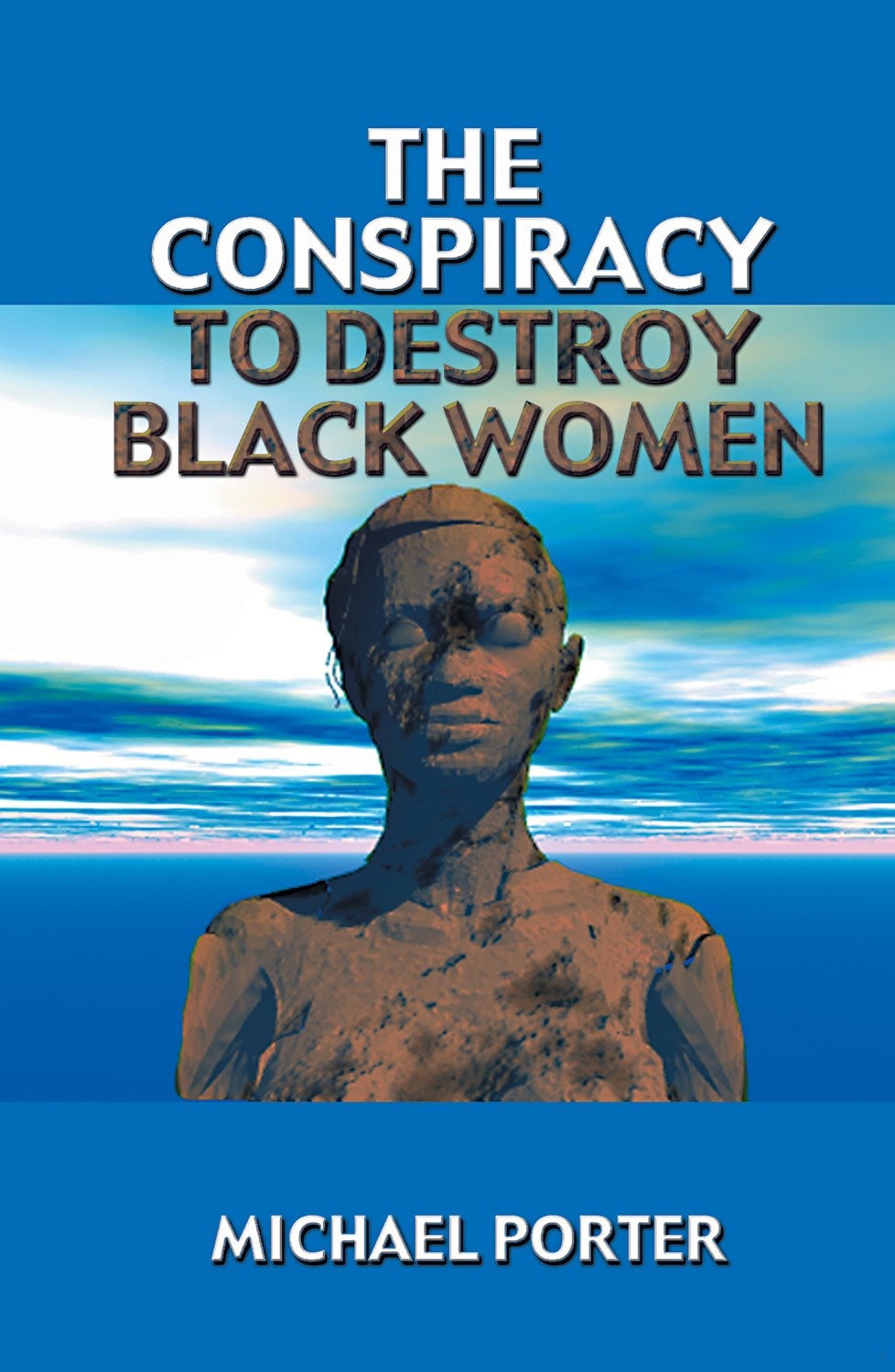
The Conspiracy to Destroy Black Women
by Michael Porter
Sold out*ships in 7 - 10 business days*
It has long been argued that women, especially black women, have been relegated to a second-class status in American society, and despite modern advances remain subject to a debilitating discrimination in many areas of life. This book presents a fresh perspective on the many facets of sexism experienced by African American women, addressing such issues as wage disparity, spousal abuse, and the rising rate of AIDS among black women. It also examines the roots of sexism among African American males, including the effect of gangster rap music on perceptions of black women, and offers strategies for change.
- Bang!: Masturbation for People of All Genders and Abilities (2nd Edition)
![Bang!: Masturbation for People of All Genders and Abilities (2nd Edition)]()
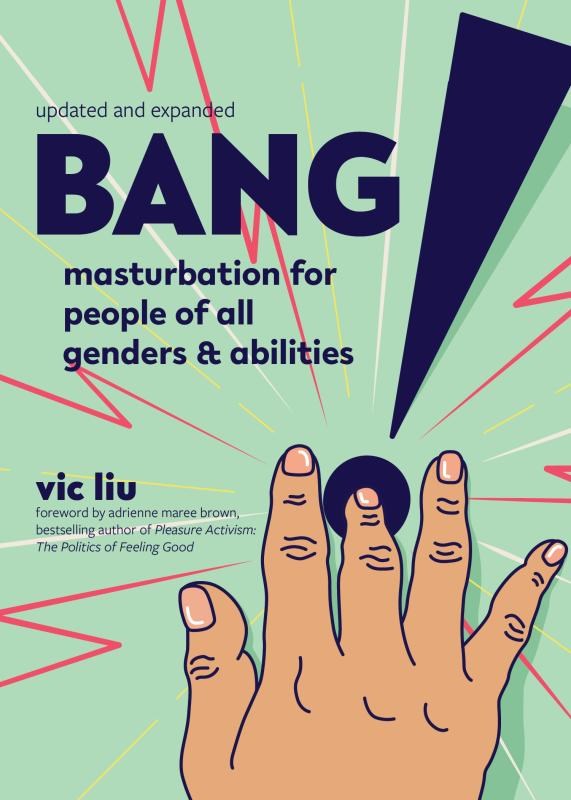
Bang!: Masturbation for People of All Genders and Abilities (2nd Edition)
by Vic Liu
$17.95Expanded second edition of this instant classic with a foreword by adrienne maree brown
Masturbation is one of life's great pleasures. It helps build self-knowledge, foster body awareness, and expand your sexual repertoire, no partner required. Anyone can use masturbation to explore their relationship to their body, desires, and pleasure. This joyful, unique book centers people of color, queer people, disabled people, sex workers, and other often underrepresented voices to bring an informative and beautiful perspective to self-love. Inside, you'll find sections on:- Masturbation myths shattered for good, with history and data analysis
- Techniques-physical and emotional-for finding solo pleasure
- A guide to buying sex toys and supporting feminist sex shops
- Tips by and for transgender masturbators
- Logistical advice and encouragement by and for wheelchair users
- Guidance for teaching your kids healthy, safe attitudes about masturbation
- Wisdom about giving pleasure to your aging body
- Advice for working through internalized masturbation stigma and building a friendship with your genitalia
The second edition includes writing and illustrations by Vic Liu, Dirty Lola, Ev'Yan Whitney, Elle Stanger, Heather Corinna, Nina Chausow, Alex Tait, Clare Edgeman, Leah Holmes, Sam Dusing, Patrick Wiedeman, Rebecca Bedell, Lafayette Matthews, Andrew Gurza, and Angus Andrews, with a foreword by adrienne maree brown. - Care Package: Harnessing the Power of Self-Compassion to Heal & Thrive
![Care Package: Harnessing the Power of Self-Compassion to Heal & Thrive]()
Care Package: Harnessing the Power of Self-Compassion to Heal & Thrive
by Sylvester McNutt, III
$17.99*ships in 7-10 business days*
Have shame, guilt, or codependency seemingly become insurmountable hurdles in your life? Do you struggle with forgiveness, setting boundaries, and putting yourself first? Are negative self-talk and people-pleasing tendencies preventing you from feeling fulfilled?
Sylvester McNutt III, life coach and host of the Free Your Energy podcast, shares the stories of his own traumas and challenges to reveal the lessons he’s learned to overcome obstacles and truly thrive.
To help guide you down your own path of healing, Sylvester provides:- Strategies for managing stress, setting boundaries, and cultivating healthy habits
- Practical tactics for processing childhood trauma and being present as an adult
- Tools to move beyond the feelings of pain that are holding you back
- Inspiring advice that will urge you to keep moving forward
Healing from pain is not easy, but it is possible. With Sylvester’s guidance, you will find the inspiration to release, to forgive, to vibrate higher, and to practice self-care every single day. - Octavia E. Butler: The Last Interview: and Other Conversations
![Octavia E. Butler: The Last Interview: and Other Conversations]()
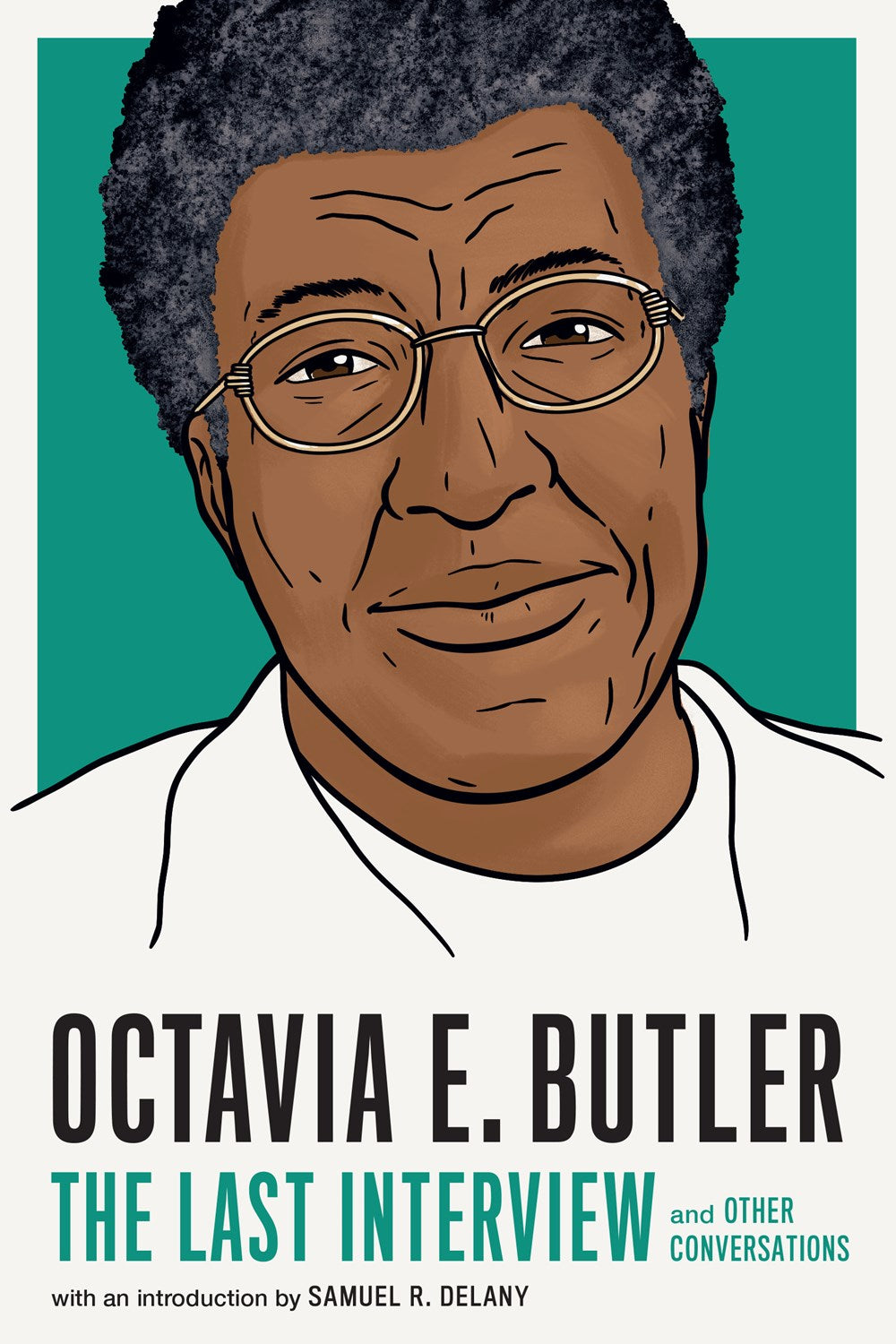
Octavia E. Butler: The Last Interview: and Other Conversations
edited by Melville House
Sold out*Ships in 7-10 business days*
“I write about people who do extraordinary things. It just turned out that it was called science fiction.” - Octavia E. Butler
Octavia E. Butler's work broke innumerable barriers and helped open the field of science fiction to writers and readers it had never had before. As the first Black writer to win the coveted Nebula and Hugo Awards, her courage and vision left a peerless legacy for fans not just of science fiction, but of American literature. In this collection of 10 interviews, 3 of them never published, Butler speaks with candor and openness about her work, her imaginative mission, and the barriers she faced as a Black woman working in a genre dominated by white men. The book features an original introduction by science fiction legend Samuel R. Delany, in which he discusses his personal relation with Butler, providing unparalleled insight into her work and life.
Series Overview: The Last Interview and Other Conversations series offers a remarkably fresh look at some of the world's leading innovative writers and edgiest cultural figures by gathering conversations from throughout an artist's career and collecting them in one volume. - Creep: Accusations and Confessions
![Creep: Accusations and Confessions]()
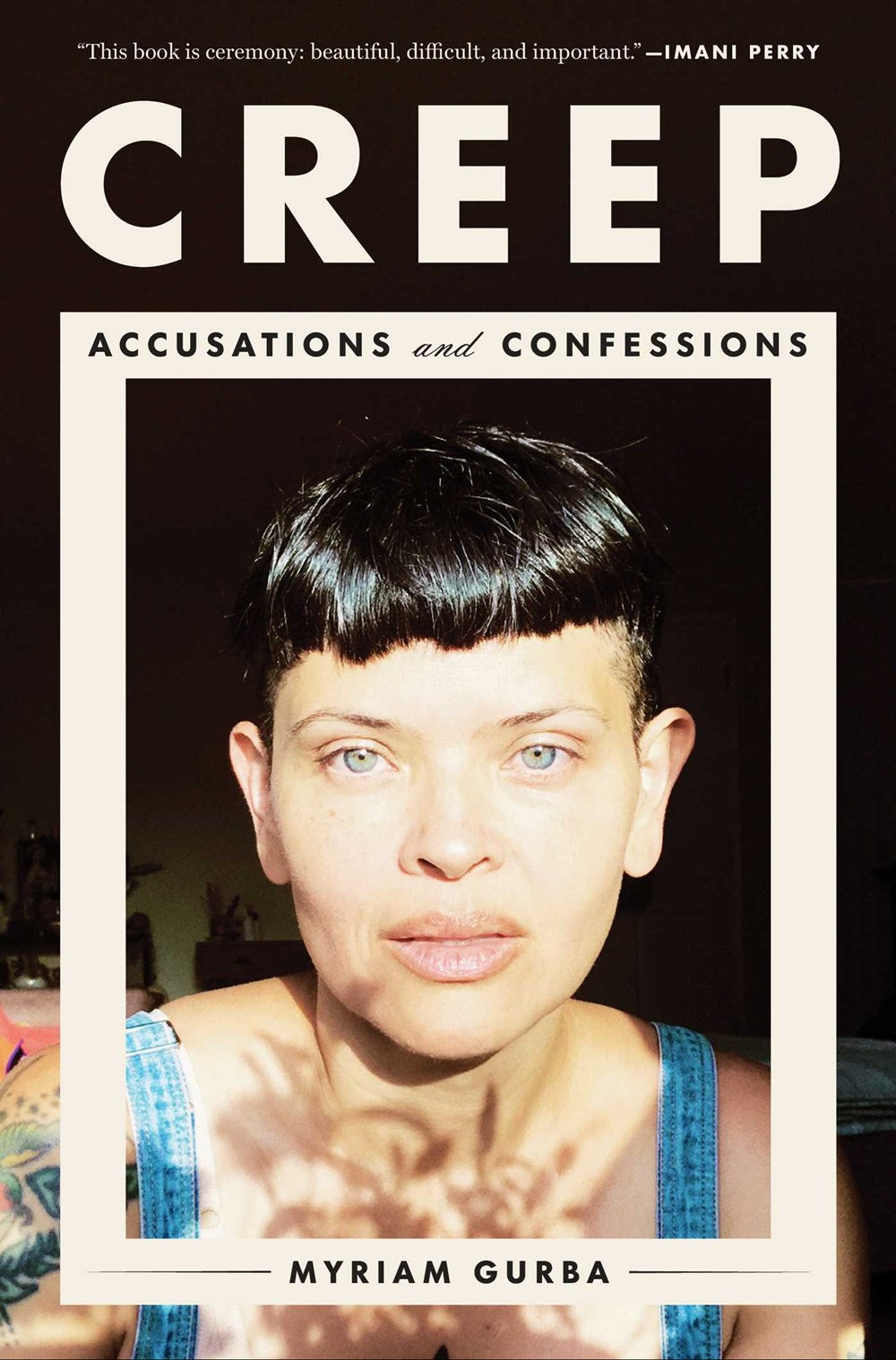
Creep: Accusations and Confessions
by Myriam Gurba
$27.00Ships in 7-10 business days
A ruthless and razor-sharp essay collection that tackles the pervasive, creeping oppression and toxicity that has wormed its way into society—in our books, schools, and homes, as well as the systems that perpetuate them—from the acclaimed author of Mean, and one of our fiercest, foremost explorers of intersectional Latinx identity.
A creep can be a singular figure, a villain who makes things go bump in the night. Yet creep is also what the fog does—it lurks into place to do its dirty work, muffling screams, obscuring the truth, and providing cover for those prowling within it.
Creep is Myriam Gurba’s informal sociology of creeps, a deep dive into the dark recesses of the toxic traditions that plague the United States and create the abusers who haunt our books, schools, and homes. Through cultural criticism disguised as personal essay, Gurba studies the ways in which oppression is collectively enacted, sustaining ecosystems that unfairly distribute suffering and premature death to our most vulnerable. Yet identifying individual creeps, creepy social groups, and creepy cultures is only half of this book’s project—the other half is examining how we as individuals, communities, and institutions can challenge creeps and rid ourselves of the fog that seeks to blind us.
With her ruthless mind, wry humor, and adventurous style, Gurba implicates everyone from Joan Didion to her former abuser, everything from Mexican stereotypes to the carceral state. Braiding her own history and identity throughout, she argues for a new way of conceptualizing oppression, and she does it with her signature blend of bravado and humility. - Racial Innocence: Unmasking Latino Anti-Black Bias and the Struggle for Equality
![Racial Innocence: Unmasking Latino Anti-Black Bias and the Struggle for Equality]()
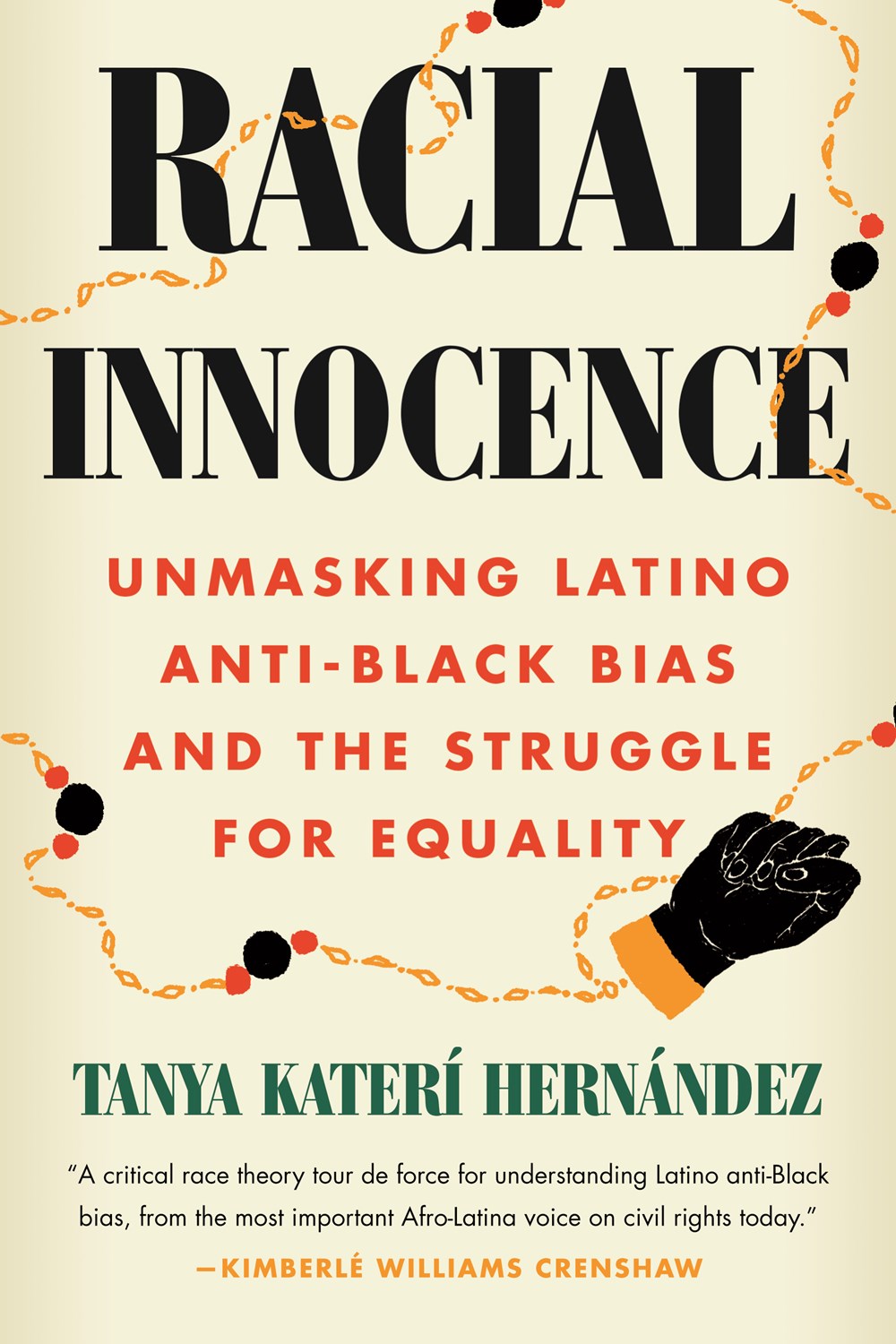
Racial Innocence: Unmasking Latino Anti-Black Bias and the Struggle for Equality
by Tanya Katerí Hernández
$24.95*ships in 7-10 business days
The first comprehensive book about anti-Black bias in the Latino community that unpacks the misconception that Latinos are “exempt” from racism due to their ethnicity and multicultural background
Racial Innocence will challenge what you thought about racism and bias and demonstrate that it’s possible for a historically marginalized group to experience discrimination and also be discriminatory. Racism is deeply complex, and law professor and comparative race relations expert Tanya Katerí Hernández exposes “the Latino racial innocence cloak” that often veils Latino complicity in racism. As Latinos are the second-largest ethnic group in the US, this revelation is critical to dismantling systemic racism. Basing her work on interviews, discrimination case files, and civil rights law, Hernández reveals Latino anti-Black bias in the workplace, the housing market, schools, places of recreation, the criminal justice system, and Latino families.
By focusing on racism perpetrated by communities outside those of White non-Latino people, Racial Innocence brings to light the many Afro-Latino and African American victims of anti-Blackness at the hands of other people of color. Through exploring the interwoven fabric of discrimination and examining the cause of these issues, we can begin to move toward a more egalitarian society. - Unapologetic: A Black, Queer, and Feminist Mandate for Radical Movements
![Unapologetic: A Black, Queer, and Feminist Mandate for Radical Movements]()
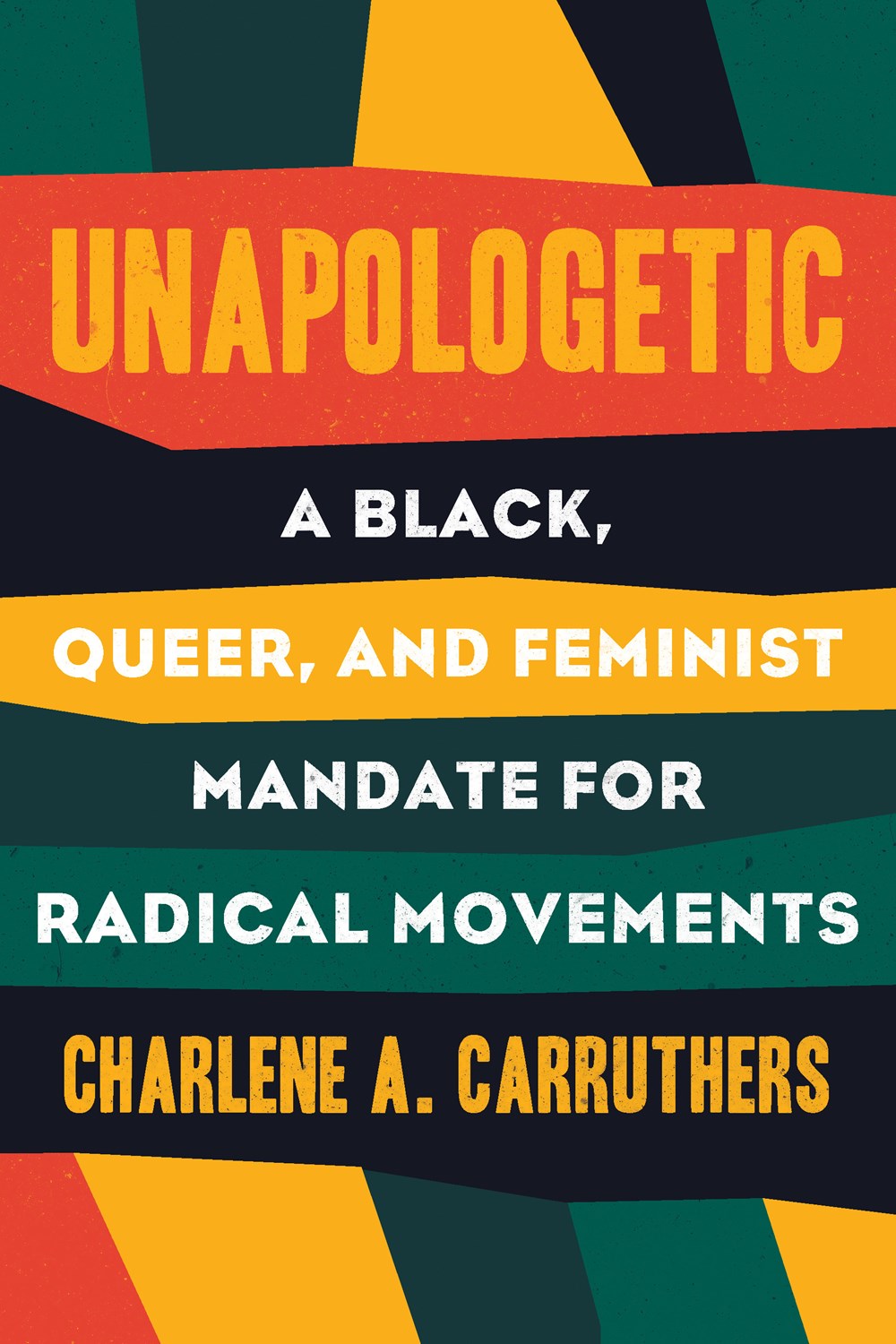
Unapologetic: A Black, Queer, and Feminist Mandate for Radical Movements
by Charlene Carruthers
$14.95*ships in 7-10 business days*
A manifesto from one of America's most influential activists which disrupts political, economic, and social norms by reimagining the Black Radical Tradition.
Drawing on Black intellectual and grassroots organizing traditions, including the Haitian Revolution, the US civil rights movement, and LGBTQ rights and feminist movements, Unapologetic challenges all of us engaged in the social justice struggle to make the movement for Black liberation more radical, more queer, and more feminist. This book provides a vision for how social justice movements can become sharper and more effective through principled struggle, healing justice, and leadership development. It also offers a flexible model of what deeply effective organizing can be, anchored in the Chicago model of activism, which features long-term commitment, cultural sensitivity, creative strategizing, and multiple cross-group alliances. And Unapologetic provides a clear framework for activists committed to building transformative power, encouraging young people to see themselves as visionaries and leaders. - Southern Horrors: Women and the Politics of Rape and Lynching
![Southern Horrors: Women and the Politics of Rape and Lynching]()
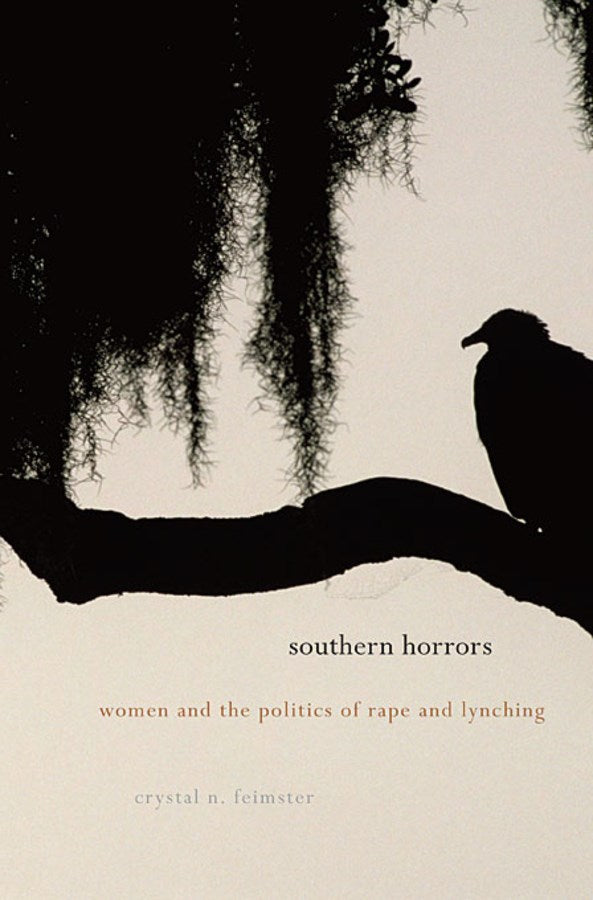
Southern Horrors: Women and the Politics of Rape and Lynching
by Crystal N. Feimster
$26.00*ships or ready for pick up in 7 - 10 business days*
Between 1880 and 1930, close to 200 women were murdered by lynch mobs in the American South. Many more were tarred and feathered, burned, whipped, or raped. In this brutal world of white supremacist politics and patriarchy, a world violently divided by race, gender, and class, black and white women defended themselves and challenged the male power brokers. Crystal Feimster breaks new ground in her story of the racial politics of the postbellum South by focusing on the volatile issue of sexual violence.
Pairing the lives of two Southern women—Ida B. Wells, who fearlessly branded lynching a white tool of political terror against southern blacks, and Rebecca Latimer Felton, who urged white men to prove their manhood by lynching black men accused of raping white women—Feimster makes visible the ways in which black and white women sought protection and political power in the New South. While Wells was black and Felton was white, both were journalists, temperance women, suffragists, and anti-rape activists. By placing their concerns at the center of southern politics, Feimster illuminates a critical and novel aspect of southern racial and sexual dynamics. Despite being on opposite sides of the lynching question, both Wells and Felton sought protection from sexual violence and political empowerment for women.
Southern Horrors provides a startling view into the Jim Crow South where the precarious and subordinate position of women linked black and white anti-rape activists together in fragile political alliances. It is a story that reveals how the complex drama of political power, race, and sex played out in the lives of Southern women. - To Float in the Space Between: A Life and Work in Conversation with the Life and Work of Etheridge Knight
![To Float in the Space Between: A Life and Work in Conversation with the Life and Work of Etheridge Knight]()

To Float in the Space Between: A Life and Work in Conversation with the Life and Work of Etheridge Knight
$25.00*Ships/ready for pick up in 5-8 business days*
A rare glimpse inside the mind of a National Book Award–winning, Guggenheim, and MacArthur fellow poet as he considers his influences and larger surrounding poetic history.
“Hayes leaves resonance cleaving the air.” —NPR
In these works based on his Bagley Wright lectures on the poet Etheridge Knight, Terrance Hayes offers not quite a biography but a compilation “as speculative, motley, and adrift as Knight himself.” Personal yet investigative, poetic yet scholarly, this multi-genre collection of writings and drawings enacts one poet’s search for another and in doing so constellates a powerful vision of black literature and art in America.
The future Etheridge Knight biographer will simultaneously write an autobiography. Fathers who go missing and fathers who are distant will become the bones of the stories.
There will be a fable about a giant who grew too tall to be kissed by his father. My father must have kissed me when I was boy. I can’t really say. . . . By the time I was eleven or even ten years old I was as tall as him. I was six inches taller than him by the time I was fifteen. My biography about Knight would be about intimacy, heartache.Terrance Hayes is the author of How to Be Drawn, which received a 2016 NAACP Image Award for Poetry; Lighthead, which won the 2010 National Book Award for poetry; and three other award-winning poetry collections. He is the poetry editor at the New York Times Magazine and also teaches at the University y of Pittsburgh. American Sonnets for My Past and Future Assassin will also be forthcoming in 2018.
- Want to Start A Revolution? Radical Women in the Black Freedom Struggle
![Want to Start A Revolution? Radical Women in the Black Freedom Struggle]()
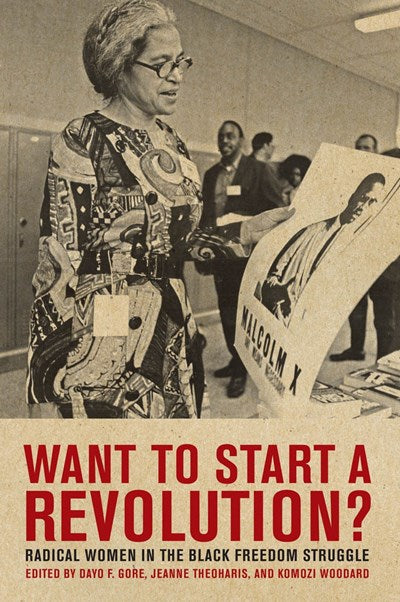
Want to Start A Revolution? Radical Women in the Black Freedom Struggle
by Dayo F. Gore, Jeanne Theoharis, and Komozi Woodard
$30.00*This item will ship or be ready for pick up in 7-10 business days
Uncovers the often overlooked stories of the women who shaped the black freedom struggle
The story of the black freedom struggle in America has been overwhelmingly male-centric, starring leaders like Martin Luther King, Jr., Malcolm X, and Huey Newton. With few exceptions, black women have been perceived as supporting actresses; as behind-the-scenes or peripheral activists, or rank and file party members. But what about Vicki Garvin, a Brooklyn-born activist who became a leader of the National Negro Labor Council and guide to Malcolm X on his travels through Africa? What about Shirley Chisholm, the first black Congresswoman?
From Rosa Parks and Esther Cooper Jackson, to Shirley Graham DuBois and Assata Shakur, a host of women demonstrated a lifelong commitment to radical change, embracing multiple roles to sustain the movement, founding numerous groups and mentoring younger activists. Helping to create the groundwork and continuity for the movement by operating as local organizers, international mobilizers, and charismatic leaders, the stories of the women profiled in Want to Start a Revolution? help shatter the pervasive and imbalanced image of women on the sidelines of the black freedom struggle.
Contributors: Margo Natalie Crawford, Prudence Cumberbatch, Johanna Fernández, Diane C. Fujino, Dayo F. Gore, Joshua Guild, Gerald Horne, Ericka Huggins, Angela D. LeBlanc-Ernest, Joy James, Erik McDuffie, Premilla Nadasen, Sherie M. Randolph, James Smethurst, Margaret Stevens, and Jeanne Theoharis. - Saying It Loud: 1966—The Year Black Power Challenged the Civil Rights Movement
![Saying It Loud: 1966—The Year Black Power Challenged the Civil Rights Movement]()
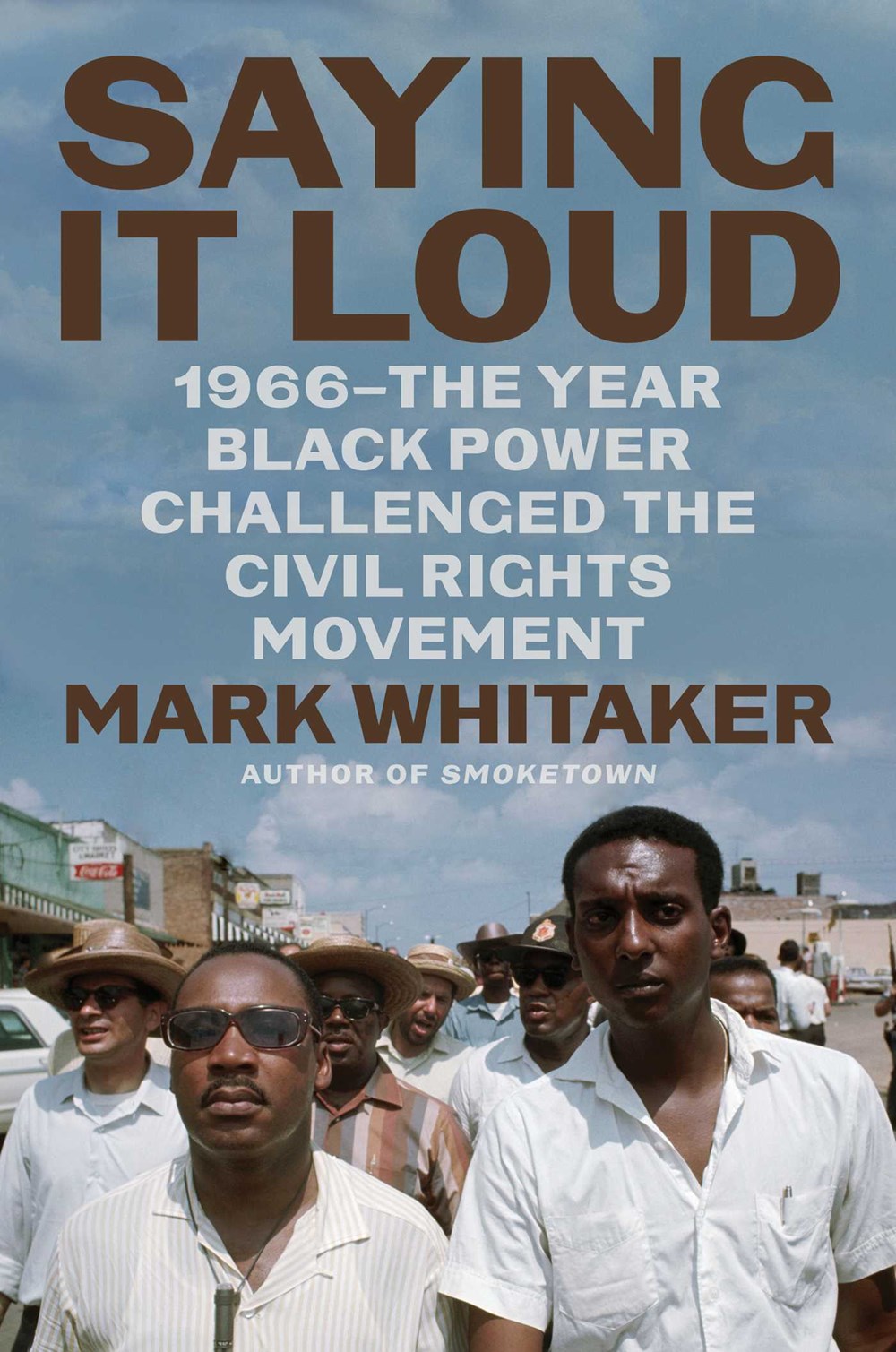
Saying It Loud: 1966—The Year Black Power Challenged the Civil Rights Movement
by Mark Whitaker
Sold out*ships in 7 - 10 business days*
Journalist and author Mark Whitaker explores the momentous year that redefined the civil rights movement as a new sense of Black identity expressed in the slogan “Black Power” challenged the nonviolent philosophy of Martin Luther King, Jr. and John Lewis.
In gripping, novelistic detail, Saying It Loud tells the story of how the Black Power phenomenon began to challenge the traditional civil rights movement in the turbulent year of 1966. Saying It Loud takes you inside the dramatic events in this seminal year, from Stokely Carmichael’s middle-of-the-night ouster of moderate icon John Lewis as chairman of the Student Nonviolent Coordinating Committee (SNCC) to Carmichael’s impassioned cry of “Black Power!” during a protest march in rural Mississippi. From Julian Bond’s humiliating and racist ouster from the Georgia state legislature because of his antiwar statements to Ronald Reagan’s election as California governor riding a “white backlash” vote against Black Power and urban unrest. From the founding of the Black Panther Party for Self-Defense by Huey Newton and Bobby Seale in Oakland, California, to the origins of Kwanzaa, the Black Arts Movement, and the first Black studies programs. From Reverend Martin Luther King, Jr.’s ill-fated campaign to take the civil rights movement north to Chicago to the wrenching ousting of the white members of SNCC.
Deeply researched and widely reported, Saying It Loud offers brilliant portraits of the major characters in the yearlong drama, and provides new details and insights from key players and journalists who covered the story. It also makes a compelling case for why the lessons from 1966 still resonate in the era of Black Lives Matter and the fierce contemporary battles over voting rights, identity politics, and the teaching of Black history. - Dark Matters: On the Surveillance of Blackness
![Dark Matters: On the Surveillance of Blackness]()
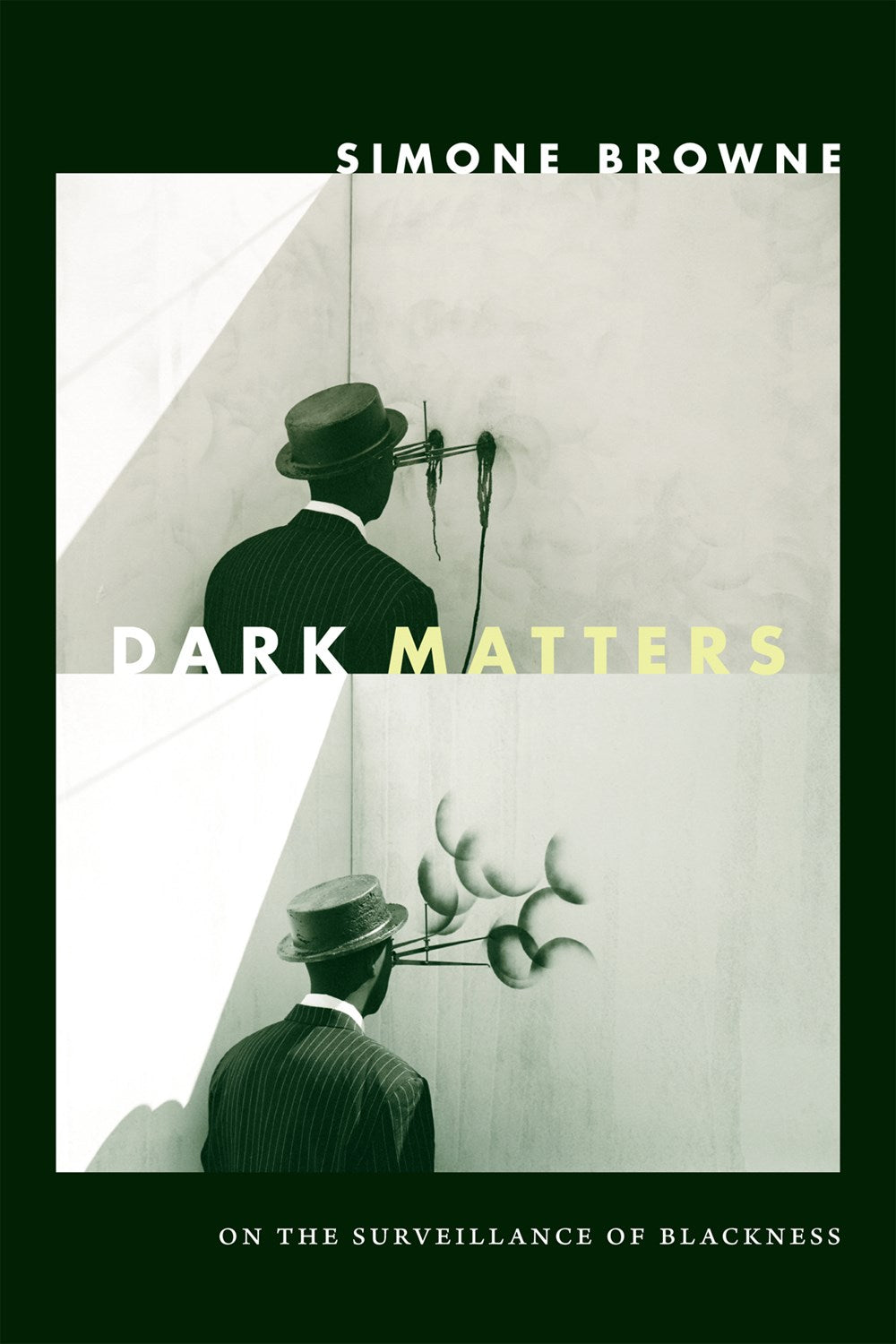
Dark Matters: On the Surveillance of Blackness
by Simone Browne
$25.95*ships in 7-10 business daysSimone Browne shows how racial ideologies and the long history of policing black bodies under transatlantic slavery structure contemporary surveillance technologies and practices. Analyzing a wide array of archival and contemporary texts, she demonstrates how surveillance reifies boundaries, borders, and bodies around racial lines.
In Dark Matters Simone Browne locates the conditions of blackness as a key site through which surveillance is practiced, narrated, and resisted. She shows how contemporary surveillance technologies and practices are informed by the long history of racial formation and by the methods of policing black life under slavery, such as branding, runaway slave notices, and lantern laws. Placing surveillance studies into conversation with the archive of transatlantic slavery and its afterlife, Browne draws from black feminist theory, sociology, and cultural studies to analyze texts as diverse as the methods of surveilling blackness she discusses: from the design of the eighteenth-century slave ship Brooks, Jeremy Bentham's Panopticon, and The Book of Negroes, to contemporary art, literature, biometrics, and post-9/11 airport security practices. Surveillance, Browne asserts, is both a discursive and material practice that reifies boundaries, borders, and bodies around racial lines, so much so that the surveillance of blackness has long been, and continues to be, a social and political norm. - The Case for Cancel Culture: How This Democratic Tool Works to Liberate Us All
![The Case for Cancel Culture: How This Democratic Tool Works to Liberate Us All]()
The Case for Cancel Culture: How This Democratic Tool Works to Liberate Us All
by Ernest Owens
$26.99*ships in 7 -10 business days*
The first major case for cancel culture as a fundamental means of democratic expression throughout history, and timely necessity aimed at combating systems of oppression.
“___ is canceled.” Chances are, you’ve heard this a lot lately. What was once a niche digital term has been legitimized in the discourse of presidents, politicians, and lawmakers.
But what really is cancel culture? It’s time to raise the bar on our definition-- to think of cancel culture less as scandal or suppression, and more as an essential means of democratic expression and accountability.
The Case for Cancel Culture does just that. This cultural critique from award-winning journalist Ernest Owens offers a fresh progressive lens in favor of cancel culture as a tool for activism and change. It will help readers reflect on and learn the long history of canceling, how the left and right uniquely equip it as part of their political toolkits; how intersections of society wield it for justice; and ultimately how it levels the playing field for the everyday person’s voice to matter.
In a world where protest and free speech are being challenged by the most powerful institutions, those without power deserve to understand the nuance and importance of this democratic tool available to them.
Readers will walk away from this first-of-its-kind exploration not despising cancel culture but embracing it as a form of democratic expression that’s always been leading the charge in liberating us all. - Obeah, Orisa, and Religious Identity in Trinidad, Volume I, Obeah: Africans in the White Colonial Imagination
![Obeah, Orisa, and Religious Identity in Trinidad, Volume I, Obeah: Africans in the White Colonial Imagination]()

Obeah, Orisa, and Religious Identity in Trinidad, Volume I, Obeah: Africans in the White Colonial Imagination
by Tracey E. Hucks
$26.95*ships in 7-10 business days
Tracey E. Hucks traces the history of the repression of Obeah practitioners in colonial Trinidad.
Obeah, Orisa, and Religious Identity in Trinidad is an expansive two-volume examination of social imaginaries concerning Obeah and Yoruba-Orisa from colonialism to the present. Analyzing their entangled histories and systems of devotion, Tracey E. Hucks and Dianne M. Stewart articulate how these religions were criminalized during slavery and colonialism yet still demonstrated autonomous modes of expression and self-defense. In Volume I, Obeah, Hucks traces the history of African religious repression in colonial Trinidad through the late nineteenth century. Drawing on sources ranging from colonial records, laws, and legal transcripts to travel diaries, literary fiction, and written correspondence, she documents the persecution and violent penalization of African religious practices encoded under the legal classification of “obeah.” A cult of antiblack fixation emerged as white settlers defined themselves in opposition to Obeah, which they imagined as terrifying African witchcraft. These preoccupations revealed the fears that bound whites to one another. At the same time, persons accused of obeah sought legal vindication and marshaled their own spiritual and medicinal technologies to fortify the cultural heritages, religious identities, and life systems of African-diasporic communities in Trinidad. - Rastafari: The Evolution of a People and Their Identity
![Rastafari: The Evolution of a People and Their Identity]()
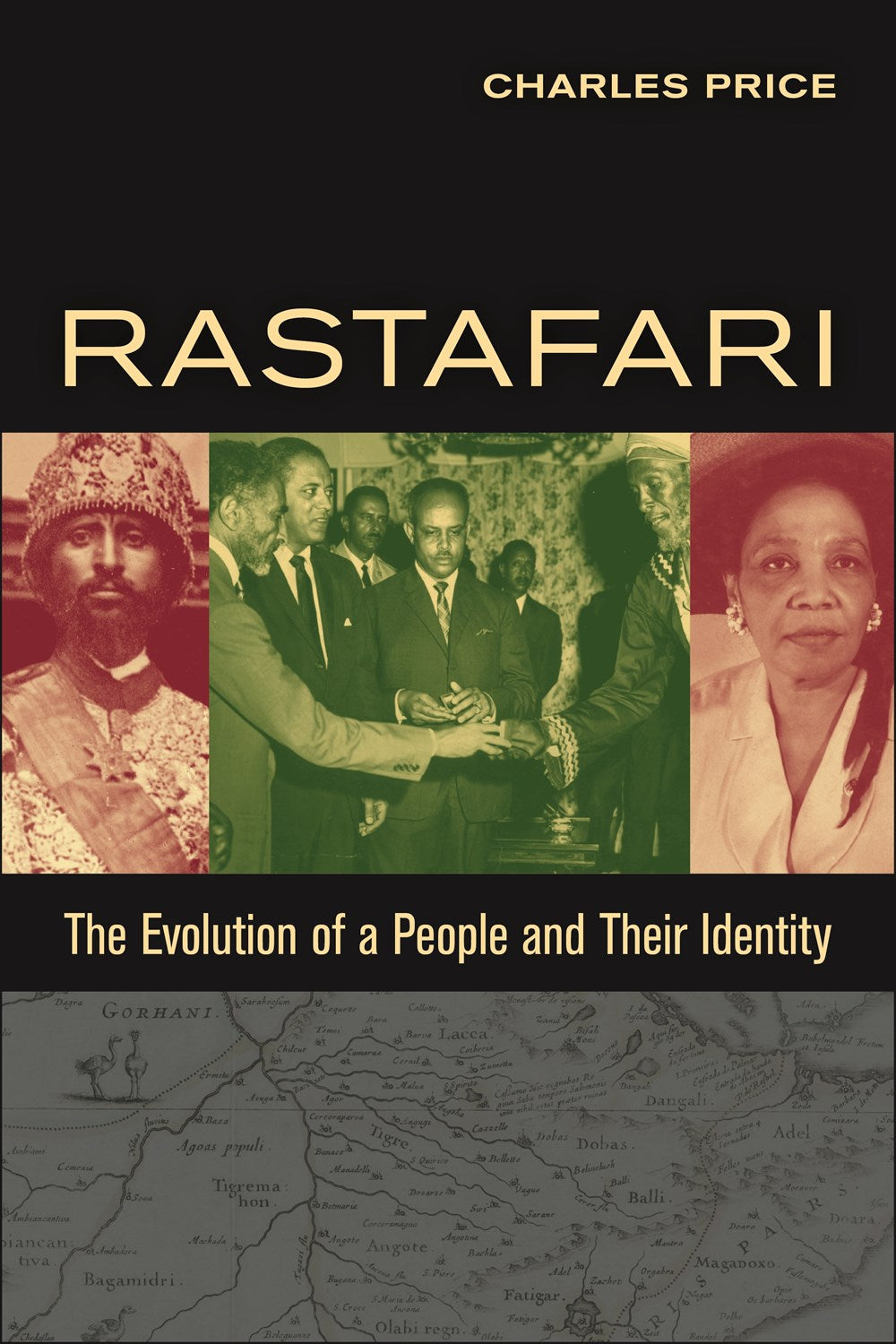
Rastafari: The Evolution of a People and Their Identity
by Charles Price
$30.00*Ships in 7-10 Business Days*
Illuminates how the Rastafari movement managed to evolve in the face of severe biases
Misunderstood, misappropriated, belittled: though the Rastafari feature frequently in media and culture, they have most often been misrepresented, their political and religious significance minimized. But they have not been vanquished.
Charles Price’s Rastafari: The Evolution of a People and Their Identity reclaims the rich history of this relatively new world religion. Charting its humble and rebellious roots in Jamaica’s backcountry in the late nineteenth century to the present day, Price explains how Jamaicans’ obsession with the Rastafari wavered from campaigns of violence to appeasement and cooptation. Indeed, he argues that the Rastafari as a political, religious, and cultural movement survived the biases and violence they faced through their race consciousness and uncanny ability to ride the waves of anti-colonialism and Black Power.
This social movement traveled throughout the Caribbean, Africa, Central America, and the United States, capturing the heart and imagination of much of the African diaspora. Rastafari spans the movement’s struggle for autonomy, its multiple campaigns for repatriation to Africa, and its leading role in the Black consciousness movements of the twentieth century. Not satisfied with simply narrating the past, Rastafari also takes on the challenges of gender equality and the commodification of Rastafari culture in the twenty-first century without abandoning its message of equality and empowering the downpressed.
Rastafari shows how this cultural and political context helped to shape the development of a Black collective identity, demonstrating how Rastafarians confronted society-wide ridicule and oppression and emerged prouder and more united, steadfast in their conviction that they were a chosen people.


Stay Informed. We're building a community committed to celebrating Black authors + artisans. Subscribe to keep up with all things Kindred Stories.