
Non-fiction
- Bibliophile: Diverse Spines
![Bibliophile: Diverse Spines]()
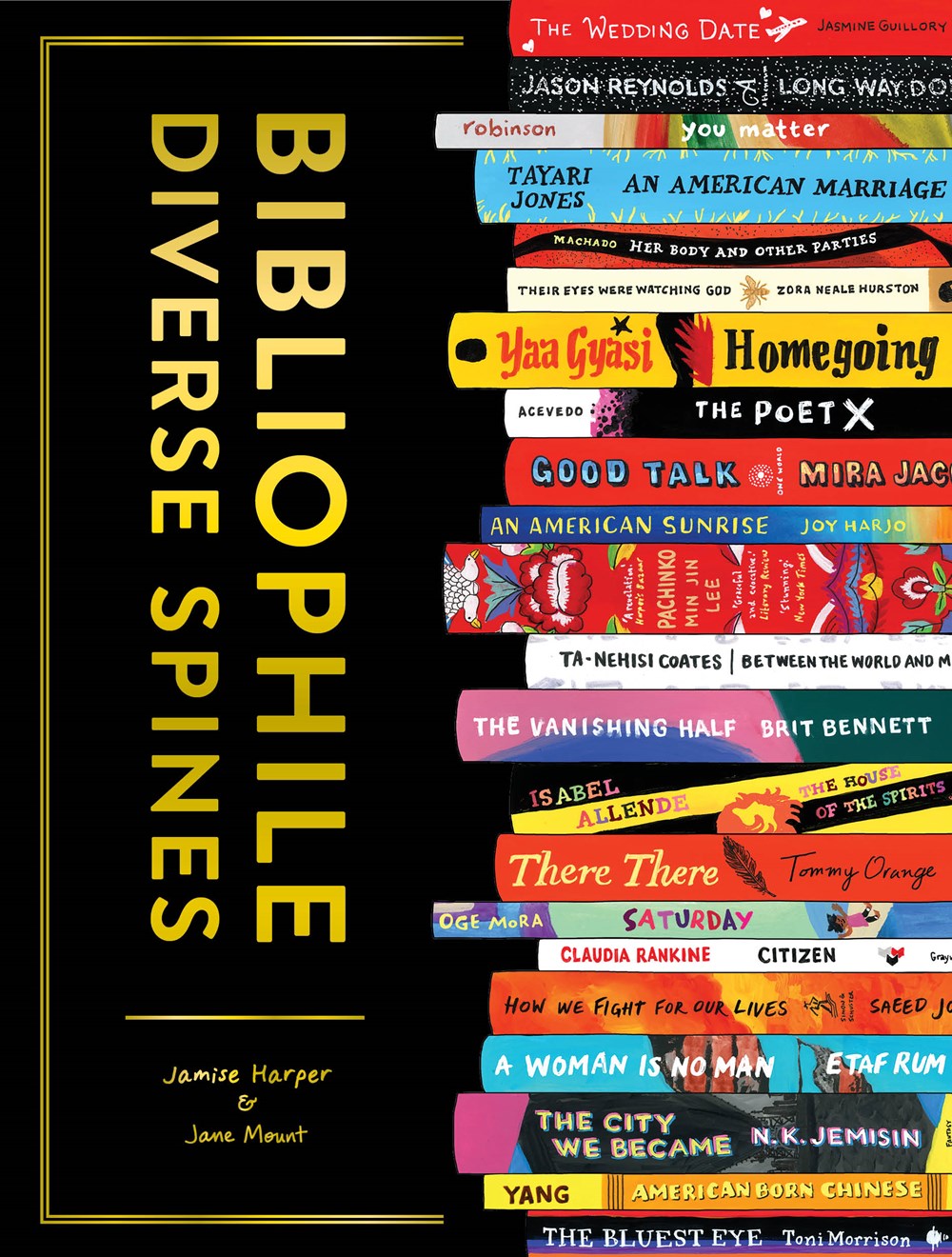
Bibliophile: Diverse Spines
by Jamise Harper
Sold outThis richly illustrated and vastly inclusive collection uplifts the works of authors who are often underrepresented in the literary world. Using their keen knowledge and deep love for all things literary, coauthors Jamise Harper (founder of the Diverse Spines book community) and Jane Mount (author of Bibliophile) collaborated to create an essential volume filled with treasures for every reader:
• Dozens of themed illustrated book stacks—like Classics, Contemporary Fiction, Mysteries, Cookbooks, and more—all with an emphasis on authors of color and authors from diverse cultural backgrounds
• A look inside beloved bookstores owned by Black, Indigenous, and People of Color
• Reading recommendations from leading BIPOC literary influencers
Diversify your reading list to expand your world and shift your perspective. Kickstart your next literary adventure now! - Read Until You Understand
![Read Until You Understand]()

Read Until You Understand
by Farah Jasmine Griffin
$16.95A brilliant scholar imparts the lessons bequeathed by the Black community and its remarkable artists and thinkers.
Farah Jasmine Griffin has taken to her heart the phrase "read until you understand," a line her father, who died when she was nine, wrote in a note to her. She has made it central to this book about love of the majestic power of words and love of the magnificence of Black life.
Griffin has spent years rooted in the culture of Black genius and the legacy of books that her father left her. A beloved professor, she has devoted herself to passing these works and their wisdom on to generations of students.
Here, she shares a lifetime of discoveries: the ideas that inspired the stunning oratory of Frederick Douglass and Malcolm X, the soulful music of Marvin Gaye and Stevie Wonder, the daring literature of Phillis Wheatley and Toni Morrison, the inventive artistry of Romare Bearden, and many more. Exploring these works through such themes as justice, rage, self-determination, beauty, joy, and mercy allows her to move from her aunt’s love of yellow roses to Gil Scott-Heron’s "Winter in America."
Griffin entwines memoir, history, and art while she keeps her finger on the pulse of the present, asking us to grapple with the continuing struggle for Black freedom and the ongoing project that is American democracy. She challenges us to reckon with our commitment to all the nation’s inhabitants and our responsibilities to all humanity.
- Nobody Knows the Trouble I've Seen
![Nobody Knows the Trouble I've Seen]()
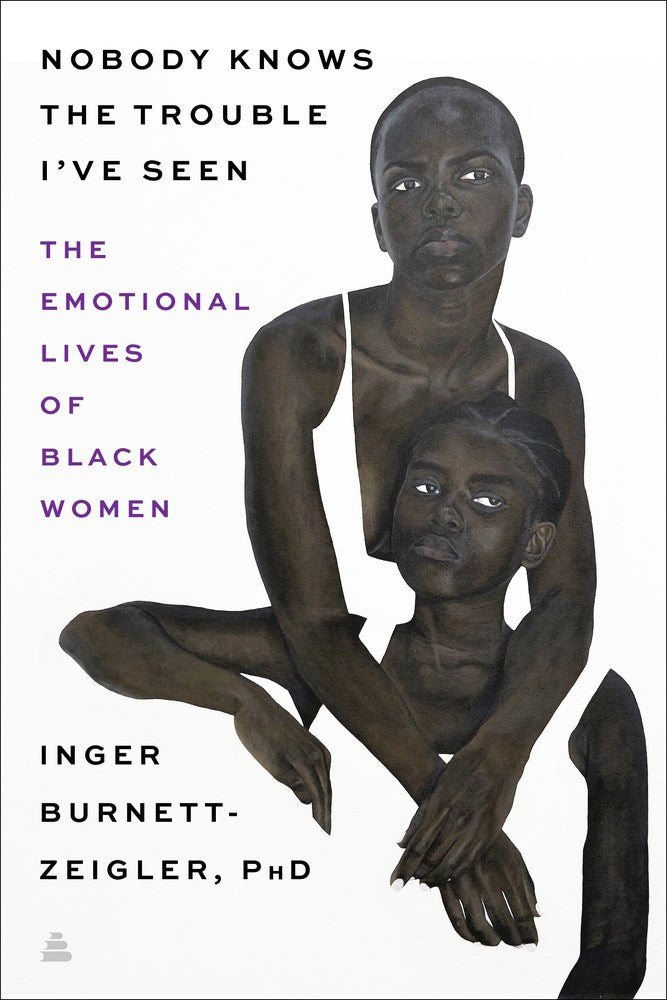
Nobody Knows the Trouble I've Seen
by Inger Burnett-Zeigler
$17.99*Ships in 7-10 business days*
Many black women have endured physical, sexual, and emotional abuse, domestic violence, pregnancy-related trauma, loss, and abandonment. Rather than admitting their pain—seen as a sign of weakness—black women mask their troubles behind the façade of being “strong” and ever capable of handling everything for themselves and those around them. Nobody Knows the Trouble I Have Seen helps women understand the high price they pay for wearing a mask of strength and provides a framework for healing.
Black women deprive themselves of experiencing a full range of emotions and tend to hang on to anger and hurt which simmer. This leads to feelings of shame, loneliness, and other negative emotions that test their mental health. In addition, black women are less likely to acknowledge their mental health needs or to seek mental health treatment, increasing their risks for depression, anxiety, post-traumatic stress, and suicidal thoughts which can lead to debilitating physical problems, including obesity, diabetes, hypertension, and cardiovascular disease.
- A Promised Land
![A Promised Land]()
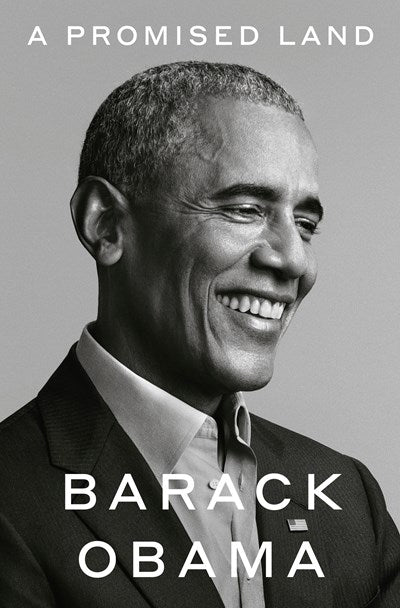
A Promised Land
by Courtney Ahn
$45.00Reflecting on the presidency, he offers a unique and thoughtful exploration of both the awesome reach and the limits of presidential power, as well as singular insights into the dynamics of U.S. partisan politics and international diplomacy. Obama brings readers inside the Oval Office and the White House Situation Room, and to Moscow, Cairo, Beijing, and points beyond.
We are privy to his thoughts as he assembles his cabinet, wrestles with a global financial crisis, takes the measure of Vladimir Putin, overcomes seemingly insurmountable odds to secure passage of the Affordable Care Act, clashes with generals about U.S. strategy in Afghanistan, tackles Wall Street reform, responds to the devastating Deepwater Horizon blowout, and authorizes Operation Neptune’s Spear, which leads to the death of Osama bin Laden. - The Period and Puberty Parenting Revolution: It's Time to Own the Conversation, Empower Your Child, and Rewrite the Rules of Parenting Kids through Puberty
![The Period and Puberty Parenting Revolution: It's Time to Own the Conversation, Empower Your Child, and Rewrite the Rules of Parenting Kids through Puberty cover image]()

The Period and Puberty Parenting Revolution: It's Time to Own the Conversation, Empower Your Child, and Rewrite the Rules of Parenting Kids through Puberty
$18.99Break the Cycle. Empower Your Child.
From board-certified gynecologist Dr. Charis Chambers, known to millions as @theperioddoctor, comes a revolutionary guide that transforms how we parent kids through puberty.The Period and Puberty Parenting Revolution equips you to raise confident, informed children who understand and respect their bodies―without shame, confusion, or fear.
Whether your puberty experience was riddled with silence and embarrassment, or you simply want to show up differently for your child, this book is your roadmap. It's for the mom determined to give her daughter what she never had. It's for the dad ready to break generational silence. It's for every caregiver who believes reproductive education is a cornerstone of liberation, safety, and self-worth.
In this powerful book, you will learn:
* How to talk to your child about periods and puberty without shame, stigma, or awkwardness
* Practical tools to prepare your child for their first period―and what to do if it comes unexpectedly
* Ways to teach body autonomy, safety, and protection in an age-appropriate, empowering manner
* Strategies to support your child's mental health and self-esteem through hormonal and body changes
* How to become the trusted adult your child turns to first about periods, sex, relationships, and beyondYour child deserves better than fear and secrecy. You deserve to feel confident, calm, and prepared. Join the revolution of parents guiding kids positively through periods and puberty―and change your child's life forever.
- MARCH 2026: Non-Fiction Book Club - March 17 @ 7PM
![MARCH 2026: Non-Fiction Book Club - March 17 @ 7PM]()

MARCH 2026: Non-Fiction Book Club - March 17 @ 7PM
Sold outWe're meeting to discuss 107 Days by Kamala Harris!
BOOK CLUB MEETING DEETS
When: Tuesday, March 17 @ 7PM CST
Where: Kindred Stories (2310 Elgin St, Houston, TX 77004)
How: RSVP ONLY to let us know you plan to attend! Support the Non-Fiction Book Club by purchasing a copy of the book from Kindred Stories here!
ABOUT 107 Days
For the first time, and with surprising and revealing insights, Kamala Harris tells the story of one of the wildest and most consequential presidential campaigns in American history.
Your Secret Service code name is Pioneer.
You are the first woman in history to be elected vice president of the United States.
On July 21, 2024, your running mate, Joe Biden, announces that he will not be seeking reelection.
The presidential election will occur on November 5, 2024.
You have 107 days.Written with candor, a unique perspective, and the pace of a page-turning novel, 107 Days takes you inside the race for the presidency as no one has ever done before.
- Good Woman: A Reckoning
![Good Woman: A Reckoning cover image]()

Good Woman: A Reckoning
$28.99A raw and lyrical exploration of the confining expectations of womanhood and, if we dare, what lies beyond those limitations--from a writer Roxane Gay calls "vibrant and thoughtful."
Gorgeous, badass, and practically waiting to pounce, Good Woman: A Reckoning is acclaimed essayist Savala Nolan's follow-up to her "standout collection" (New York Times Book Review) Don't Let It Get You Down.
A lifetime of playing by the rules of female social conditioning is not what it's cracked up to be for Nolan. The years of making herself smaller (literally and metaphorically); the sexual advances that led to more than she wanted; the bad marriage she fought like hell to keep; all the ways others questioned her identity or choices and she let it slide to keep the peace; her silence when requested; her body when desired--none of it worked. None of it protected her the way it was advertised to.
Nolan noticed the same was true for the women around her and the women in history she read about. Across time and location, they were raised to be agreeable and "good." Hyper-visible as sexual objects but invisible as full people. Living in a physical world created by men for men. Taking on the ultimate role of birth-giver and caretaker, yet seeing it remain an unsung act, even as it's a God-like endeavor. Only in midlife did Nolan begin to realize she was capable of living outside these cages of conditioning so slyly insidious that they're nearly invisible.
Good Woman elegantly probes the knotty conditions themselves, the costs of adhering to them, and what happens when one refuses to comply. The twelve stunning and unforgettable essays blend memoir, reportage, and history to create a collection that is alternately bold, brash, and explosive ... and ravishingly tender, sensual, and joyous. Nolan takes aim at big and old ideas, and she does not miss. Hers is a testimony to witness and to savor.
- The Risk Worth Taking: A Story of Breaking Free and TRADING for a Life You Love
![The Risk Worth Taking: A Story of Breaking Free and TRADING for a Life You Love cover image]()

The Risk Worth Taking: A Story of Breaking Free and TRADING for a Life You Love
$25.00What if the life you dream of isn’t just possible—it’s one smart trade away?
The Risk Worth Taking: A Story of Breaking Free and Trading for the Life You Love is an empowering parable inspired by real-life transformations. Follow Erin’s journey from burnout to breakthrough as she trades corporate chaos for financial freedom through stock trading.
When an unexpected event forces her to reevaluate everything, Erin steps into a world she never imagined—learning to trade, mastering the market, and reclaiming her time, freedom, and purpose. But her journey isn’t just about dollars and charts—it’s about rediscovering herself, taking risks, and rewriting her future.
This isn’t a textbook—it’s a transformational story packed with practical tools, emotional breakthroughs, and powerful lessons. Whether you're a trading rookie or looking to reignite your financial goals, this story will inspire you to bet on yourself.
Inside, you’ll learn how to:
• Use trading as a pathway to personal and financial freedom
• Build wealth without sacrificing your time
• Develop confidence with simple, actionable trading strategies
• Work from anywhere and live life on your terms
• Embrace risk, bounce back from failure, and trust yourself fullyYour next chapter starts now.
Are you ready to take the risk that changes everything?
- Field Notes for Food Adventure: Recipes and Stories from the Woods to the Ocean
![Field Notes for Food Adventure: Recipes and Stories from the Woods to the Ocean cover image]()

Field Notes for Food Adventure: Recipes and Stories from the Woods to the Ocean
Sold outNEW YORK TIMES BESTSELLER - A FOOD52 BEST COOKBOOK OF THE YEAR - Join Brad Leone, star of Bon Appétit's hit YouTube series It's Alive, for a year of cooking adventures, tall tales, and fun with fire and fermentation in more than 80 ingenious recipes
Come along with Brad Leone as he explores forests, fields, rivers, and the ocean in the hunt for great food and good times. These pages are Brad's field notes from a year of adventures in the Northeast, getting out into nature to discover its bounty, and capturing memorable ideas for making delicious magic at home anytime.
He taps maple trees to make syrup, and shows how to use it in surprising ways. He forages for ramps and mushrooms, and preserves their flavors for seasons to come. He celebrates the glory of tomatoes along with undersung fruits of the sea like squid and seaweed. Inspiration comes from hikes into the woods, trips to the dock, and cooking poolside in the dead of summer. And every dish has a signature Brad Leone approach--whether that's in Sous Vide Mountain Ribs or Spicy Smoked Tomato Chicken, Sumac Lemonade or Fermented Bloody Marys, Cold Root Salad, Marinated Beans, or just a few shakes of a Chile Hot Sauce that's dead simple to make.
This is a book about experimentation, adventure, fermentation, fire, and having fun while you're cooking. And hey, you might just learn a thing or two. Let's get going!
- Chain of Ideas: The Origins of Our Authoritarian Age
![Chain of Ideas: The Origins of Our Authoritarian Age cover image]()

Chain of Ideas: The Origins of Our Authoritarian Age
Ibram X. Kendi
$35.00The National Book Award-winning historian of Stamped from the Beginning charts how “great replacement theory” has moved from the margins to become the most dominant political theory of our time—and what we can do to safeguard democracy from this insidious threat.
Recall the words chanted in Charlottesville, Virginia, but heard around the world: “You will not replace us!” Recall the string of mass shooters around the world—in Oslo and Christchurch, Buffalo, El Paso, and Pittsburgh—who claimed their crimes were a defense against “White genocide.” Recall business and media figures cultivating anxiety and furor over demographic change. These incidents only scratch the surface of this ascendant idea: Popular and ruling politicians in every region of the world have been expressing some version of great replacement theory, eroding democratic norms in the name of preventing demographic change and restoring national greatness.
What is great replacement theory? Variations on the theory have existed for centuries, but it was given this name by a French novelist in 2011 who believed Black and Brown immigrants were “invading” Europe, brought by shadowy elites to “replace” Europe’s White population. From there, politicians and theorists—whether in the United States or the United Kingdom, Germany or Chile, Hungary or Australia—repackaged the conspiracy as a story of “globalists” welcoming “migrant criminals” and diversity initiatives to take away the jobs, cultures, electoral power, and the very lives of White people. Over time, great replacement theory has expanded the threat to include citizens, men, Jews, Christians, heterosexuals, and ethnic majorities in countries as distinct as Russia, El Salvador, Brazil, Italy, and India. All are targeted with the message that they are under an existential attack that only a strongman can prevent.
In our fast-shifting political landscape, most people are unfamiliar with this theory’s origins and its spread, which isn’t a coincidence. In Chain of Ideas, international bestselling author Ibram X. Kendi uses exacting and clear prose to uncover the roots of great replacement theory and its various mutations around the world. It is an unsettling but indispensable global history of how great replacement theory brought humanity into this authoritarian age—and how we can free ourselves from it. - Year of Yes: 10th Anniversary Edition
![Year of Yes: 10th Anniversary Edition cover image]()

Year of Yes: 10th Anniversary Edition
Shonda Rhimes
$30.00The 10th anniversary hardcover edition of the galvanizing New York Times bestseller The Year of Yes by Shonda Rhimes—executive producer of Grey’s Anatomy, Scandal, Bridgerton, Queen Charlotte, and more—features updates and exclusive new chapters that show how saying YES (and continuing to say YES) can transform your life.
In 2015, Shonda Rhimes, the trailblazing creative force behind some of television’s most beloved series, took on a challenge that would change her life forever. She challenged herself to say “yes” to everything for a year, and the results were nothing short of transformative. Hailed as “honest, raw, and revelatory” (The Washington Post) and “as fun to read as Rhimes’s TV series are to watch” (Los Angeles Times), Year of Yes quickly became a New York Times bestseller, captivating thousands with its candid and compelling narrative.
Now, in the 10th anniversary edition of Year of Yes, Shonda revisits this pivotal year with fresh insights and exclusive new material, including a new introduction and a bonus chapter.
With humor and honesty, Shonda’s story encourages readers to step out of their own comfort zones and embrace new opportunities. A self-proclaimed introvert who often said “no,” Shonda’s year of yes was transformational—and yet entirely relatable. This wildly candid and compulsively readable book reveals how the mega-talented Shonda Rhimes achieved badassery worthy of a Shondaland character. And how you can, too.
- Us: The Complete Annotated Screenplay
![Book cover image]()

Us: The Complete Annotated Screenplay
Jordan Peele
$19.95A masterpiece of identity horror and a dark reflection on America’s past and present, Us presents chilly atmospherics, psychological torment and old-world suspense-building plot twists. Whereas Get Out was considered more a mixture of drama and suspense, Peele leaned fully into the horror genre with his sophomore film, using urban legends such as doppelgangers to tease out the uniquely American perceptions of xenophobia and “othering.” Critic Monica Castillo wrote of the film: “Us is another thrilling exploration of the past and oppression this country is still too afraid to bring up. Peele wants us to talk, and he’s given audiences the material to think, to feel our way through some of the darker sides of the human condition.”
Published in conjunction with the fifth anniversary of the critically acclaimed film’s release, this companion paperback features Oscar®-winning director Jordan Peele’s screenplay, alternate endings and deleted scenes, and is richly illustrated with over 150 stills from the motion picture. Specially commissioned annotations by hannah baer, Theaster Gates, Jamieson Webster, Jared Sexton, Mary Ping, Shana Redmond and Leila Taylor present a cosmology of images, definitions and inspirations that extend the themes of the film. Continuing in the legacy of 1960s paperbacks that documented the era’s most significant avant-garde films―such as Kurosawa’s Rashomon, Godard’s Masculin Féminin and Antonioni’s L’Avventura―Us is an indispensable guide to a deeper understanding of this important film.
Jordan Peele (born 1979) is a writer, actor and filmmaker who rose to fame as half of the comedy duo Key & Peele. He has written and directed three feature films: Get Out (2017), Us (2019) and Nope (2022). He was the first Black screenwriter to win an Academy Award for Best Original Screenplay. - Puerto Rico: A National History
![Book cover image]()

Puerto Rico: A National History
Jorell Melndez-Badillo
$29.95A panoramic history of Puerto Rico from pre-Columbian times to today
Puerto Rico is a Spanish-speaking territory of the United States with a history shaped by conquest and resistance. For centuries, Puerto Ricans have crafted and negotiated complex ideas about nationhood. Jorell Melndez-Badillo provides a new history of Puerto Rico that gives voice to the archipelago's people while offering a lens through which to understand the political, economic, and social challenges confronting them today.
In this masterful work of scholarship, Melndez-Badillo sheds light on the vibrant cultures of the archipelago in the centuries before the arrival of Columbus and captures the full sweep of Puerto Rico's turbulent history in the centuries that followed, from the first indigenous insurrection against colonial rule in 1511-led by the powerful chieftain Ageyban II-to the establishment of the Commonwealth in 1952. He deftly portrays the contemporary period and the intertwined though unequal histories of the archipelago and the continental United States.
Puerto Rico is an engaging, sometimes personal, and consistently surprising history of colonialism, revolt, and the creation of a national identity, offering new perspectives not only on Puerto Rico and the Caribbean but on the United States and the Atlantic world more broadly.
Available in Spanish from our partners at Grupo Planeta
- How to Live Free in a Dangerous World: A Decolonial Memoir
![Book cover image]()

How to Live Free in a Dangerous World: A Decolonial Memoir
by Shayla Lawson
$29.00*Ships in 7-10 business days*
New York Times bestselling author of the National Book Award winner South to America Poet and journalist Shayla Lawson follows their National Book Critics Circle finalist This Is Major with these daring and exquisitely crafted essays, where Lawson journeys across the globe, finds beauty in tumultuous times, and powerfully disrupts the constraints of race, gender, and disability. In their new book, Shayla Lawson reveals how traveling can itself be a political act, when it can be a dangerous world to be Black, femme, nonbinary, and disabled. With their signature prose, at turns bold, muscular, and luminous, Shayla Lawson travels the world to explore deeper meanings held within love, time, and the self. Through encounters with a gorgeous gondolier in Venice, an ex-husband in the Netherlands, and a lost love on New Year’s Eve in Mexico City, Lawson’s travels bring unexpected wisdom about life in and out of love. They learn the strength of friendships and the dangers of beauty during a narrow escape in Egypt. They examine Blackness in post-dictatorship Zimbabwe, then take us on a secretive tour of Black freedom movements in Portugal. Through a deeply insightful journey, Lawson leads readers from a castle in France to a hula hoop competition in Jamaica to a traditional theater in Tokyo to a Prince concert in Minnesota and, finally, to finding liberation on a beach in Bermuda, exploring each location—and their deepest emotions—to the fullest. In the end, they discover how the trials of marriage, grief, and missed connections can lead to self-transformation and unimagined new freedoms.
- God Made My Face: A Collective Portrait of James Baldwin
![God Made My Face: A Collective Portrait of James Baldwin]()

God Made My Face: A Collective Portrait of James Baldwin
edited by Hilton Als
Sold outBaldwin’s life and legacy as remembered by a pantheon of artists and writers: from Jamaica Kincaid and Barry Jenkins to Richard Avedon and Alice Neel
When author James Baldwin died in 1987, he left behind an extraordinary body of work: novels, poems, film scripts and, perhaps most indelibly, essays. A friend and supporter of Martin Luther King Jr., Malcolm X and Medgar Evers, Baldwin was a critical voice in the civil rights movement. After reaching acclaim in his early career as a writer, he struggled to retain the author’s “I,” while taking on the “we” of the people.
Edited by Pulitzer Prize–winning author Hilton Als and growing out of his landmark exhibition at David Zwirner in 2019, God Made My Face brings together an impressive assembly of contributors, ranging from Baldwin biographer David Leeming to novelist Jamaica Kincaid and Moonlight director Barry Jenkins, to create a memorial mosaic: one that not only mirrors Baldwin’s various tones but also closely examines his singular contributions to cinema, theater, the essay and Black American critical studies. These essays are illustrated by artwork from modern and contemporary artists who were either personal contemporaries of Baldwin or directly inspired by his work. In each piece assembled here, the authors speak from a personal, informed perspective, illuminating Baldwin’s deeply anguished and enlightened voice and his belief that, ultimately—because we are human—we share the potential to love, connect and live together in all our glory.
Artists include: Diane Arbus, Eugène Atget, Richard Avedon, Don Bachardy, Alvin Baltrop, Anthony Barboza, Njideka Akunyili Crosby, Beauford Delaney, Marlene Dumas, Glenn Ligon, George McCalman, Alice Neel, Elle Pérez, Cameron Rowland, Kara Walker, James Welling, Larry Wolhandler.
Authors include:Stephen Best, Daphne A. Brooks, Teju Cole, Marianne Jean-Baptiste, Barry Jenkins, Jamaica Kincaid, David Leeming, Darryl Pinckney. - Dick Gregory's Natural Diet for Folks Who Eat: Cookin' with Mother Nature
![Dick Gregory's Natural Diet for Folks Who Eat: Cookin' with Mother Nature]()

Dick Gregory's Natural Diet for Folks Who Eat: Cookin' with Mother Nature
by Dick Gregory & James R. McGraw
$17.99First published in 1974 and even more relevant today, a natural and whole foods guide the voice of black consciousness, cultural icon Dick Gregory, the incomparable satirist, human rights and environmental activist, health advocate, social justice champion, and author of the NAACP Image Award–winning Defining Moments in Black History: Reading Between the Lies and the classic bestseller Nigger: An Autobiography.
Written with Dick Gregory’s irreverent wit and informed by his deep intelligence, Dick Gregory’s Natural Diet for Folks Who Eat is for real people who are concerned about their health and wellness. Gregory offers an enlightening introduction to natural foods, and offers a wickedly amusing and informative assessment of how our modern diet damages the human digestive tract, and raises our consciousness about the political power of food.
Gregory argues that how you treat yourself and your body reflects how you treat others. He discusses various fasts and the ones he’s done for both political and health reasons, hunger in America, navy beans, and how Americans are changing the way they eat—the beginning of a movement in the 1970s that is still felt today. He offers suggestions on diets to help you gain or lose pounds and offers advice on natural substitutes for favorite alcoholic drinks. You are what you eat—with Dick Gregory’s Natural Diet for Folks Who Eat you can laugh your way to better health.
- Toni Morrison: The Last Interview: and Other Conversations
![Toni Morrison: The Last Interview: and Other Conversations]()
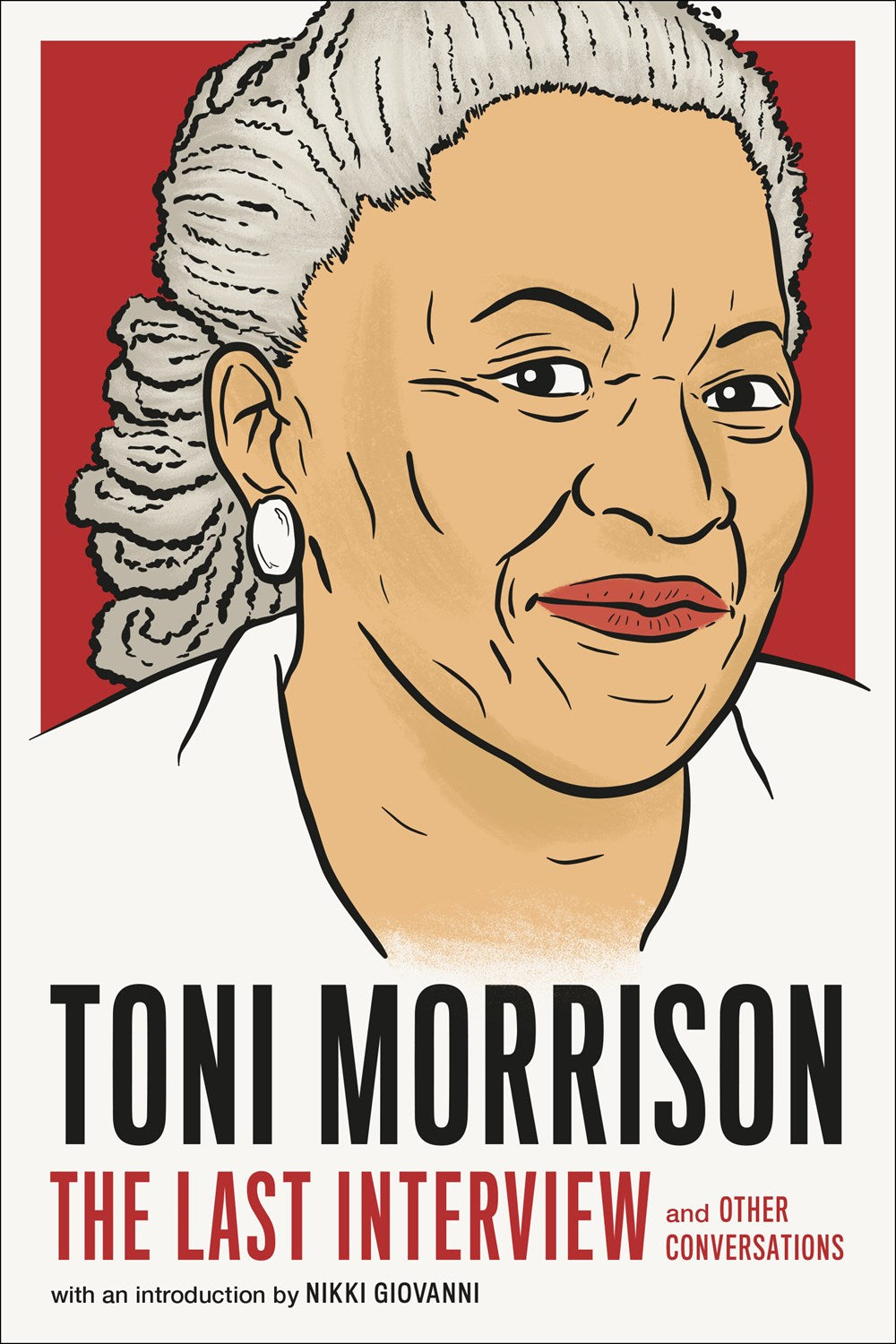
Toni Morrison: The Last Interview: and Other Conversations
edited by Nikki Giovanni
Sold out“Knowledge is what’s important, you know? Not the erasure, but the confrontation of it.” — TONI MORRISON
In this wide-ranging collection of thought-provoking interviews — including her first and last — Toni Morrison (whom President Barrack Obama called a “national treasure”) details not only her writing life, but also her other careers as a teacher, and as a publisher, as well as the gripping story of her family. In fact, Morrison reveals here that her Nobel Prize-winning novels, such as Beloved and Song of Solomon, were born out of her family’s stories — such as those of her great-grandmother, born a slave, or her father, escaping the lynch mobs of the South. With an introduction by her close friend, poet Nikki Giovani, Morrison hereby weaves yet another fascinating and inspiring narrative — that of herself. - Black New Orleans, 1860-1880
![Black New Orleans, 1860-1880]()
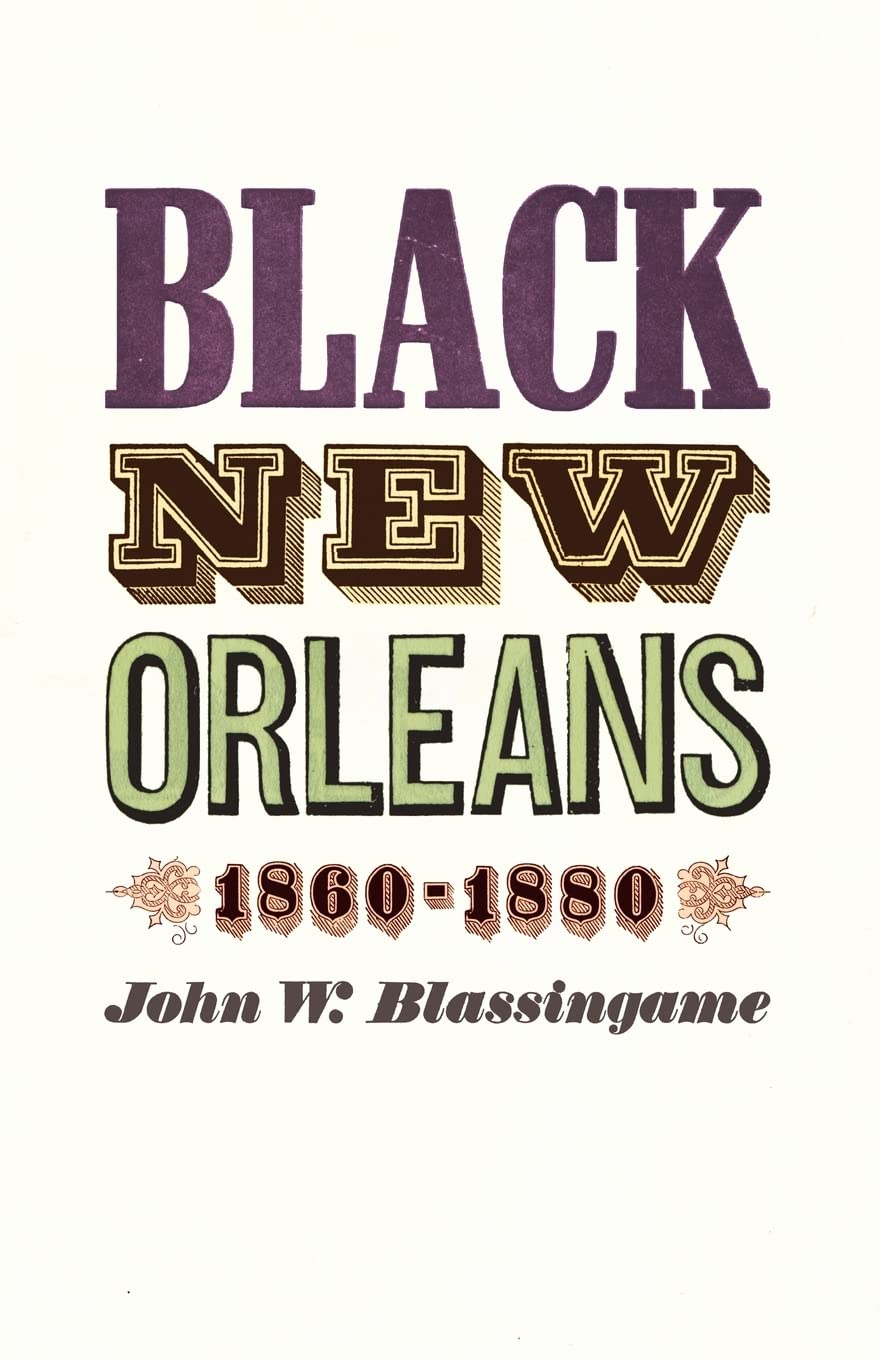
Black New Orleans, 1860-1880
by John W. Blassingame
$40.00Reissued for the first time in over thirty years, Black New Orleans explores the twenty-year period in which the city's black population more than doubled. Meticulously researched and replete with archival illustrations from newspapers and rare periodicals, John W. Blassingame's groundbreaking history offers a unique look at the economic and social life of black people in New Orleans during Reconstruction. Not a conventional political treatment, Blassingame's history instead emphasizes the educational, religious, cultural, and economic activities of African Americans during the late nineteenth century.
"Blending historical and sociological perspectives, and drawing with skill and imagination upon a variety of sources, [Blassingame] offers fresh insights into an oft-studied period of Southern history. . . . In both time and place the author has chosen an extraordinarily revealing vantage point from which to view his subject. "-Neil R. McMillen, American Historical Review
- Nature Swagger: Stories and Visions of Black Joy in the Outdoors
![Nature Swagger: Stories and Visions of Black Joy in the Outdoors]()

Nature Swagger: Stories and Visions of Black Joy in the Outdoors
by Rue Mapp
$24.95An exquisite combination of beautiful photography and compelling stories, this book from Outdoor Afro founder, Rue Mapp, celebrates Black joy in nature.
Filled with breathtaking photography, inspiring stories, profiles, and spotlights from Outdoor Afro group members, prominent Black leaders in outdoor spaces, and other organizations, this book inspires Black communities to reclaim their place in the natural world. Interspersed throughout are essays from Mapp on the rich history of Black involvement in the outdoors, activism, and conservation, as well as resources for readers who want to deepen their own connection with the elements. A perfect blend of gorgeous photographs, awe-inspiring stories, and Black history, this collection is the perfect gift for anyone looking to heal in these sacred natural spaces.
INCREDIBLE ORGANIZATION: Outdoor Afro is a leading organization in the promotion of Black involvement and interaction with the outdoors. Their powerful work is leaving positive, lasting effects on the Black community and broader conservation community.
ACCOMPLISHED AUTHOR: Rue Mapp's rich involvement in the outdoors and her connections with like-minded individuals and organizations offer a unique approach to educating, motivating, and encouraging Black connection with nature.
INSPIRATIONAL AND UNIQUE: This book showcases Black joy and strength in spaces from which they have either historically been excluded, or less represented, and makes for an inventive and uplifting celebration of Black joy in nature.
A GREAT GIFT: Perfect for the outdoorsy person in your life, this book will make for an excellent boost of inspiration and encouragement all year round. - Black Skin, White Masks (Revised)
![Black Skin, White Masks (Revised)]()

Black Skin, White Masks (Revised)
by Frantz Fanon
Sold outFew modern voices have had as profound an impact on the black identity and critical race theory as Frantz Fanon, and Black Skin, White Masks represents some of his most important work. Fanon’s masterwork is now available in a new translation that updates its language for a new generation of readers.
A major influence on civil rights, anti-colonial, and black consciousness movements around the world, Black Skin, White Masks is the unsurpassed study of the black psyche in a white world. Hailed for its scientific analysis and poetic grace when it was first published in 1952, the book remains a vital force today from one of the most important theorists of revolutionary struggle, colonialism, and racial difference in history. - Inciting Joy: Essays
![Inciting Joy: Essays]()
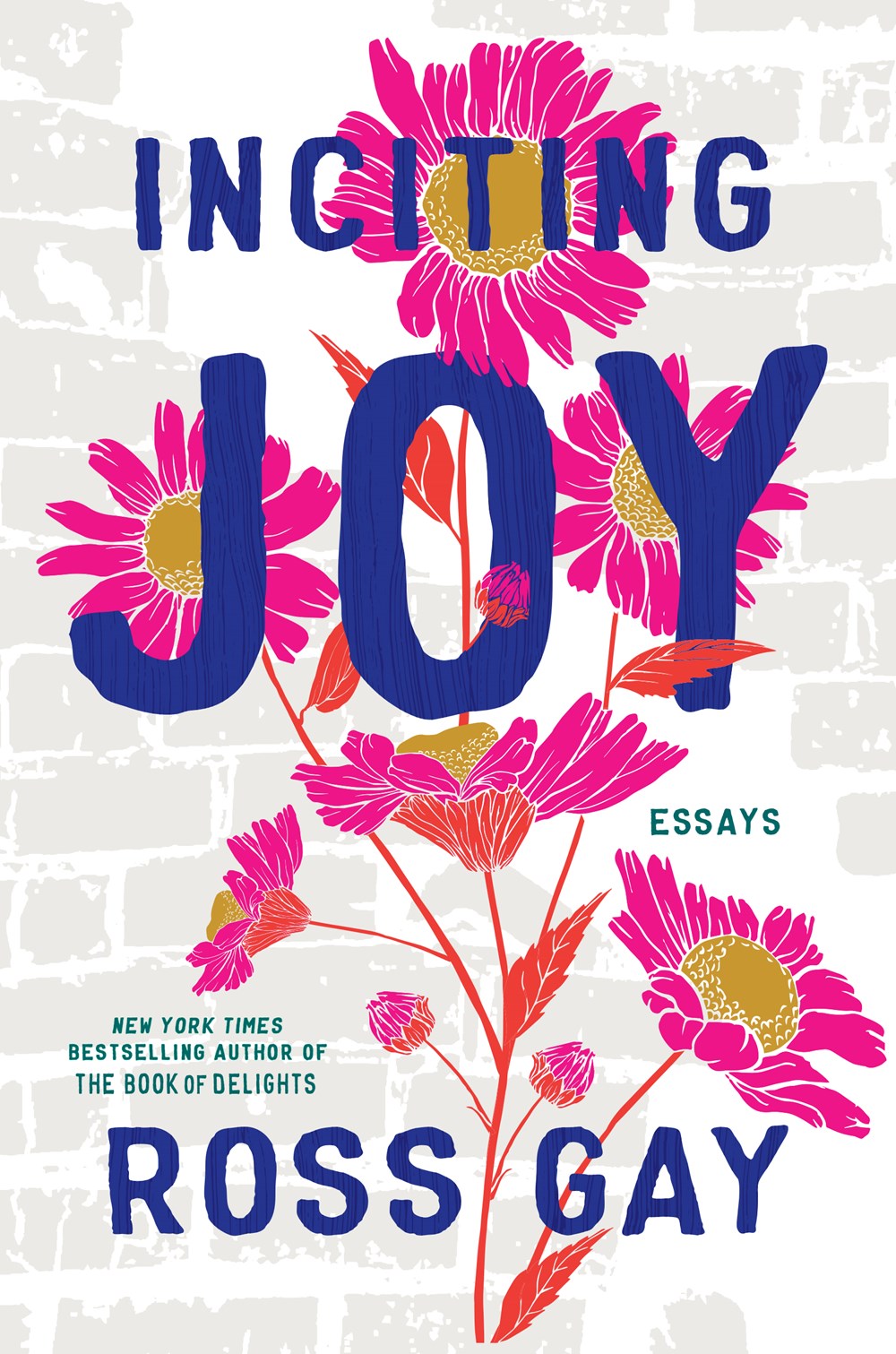
Inciting Joy: Essays
by Ross Gay
$19.99*Ships/ready for pick up in 5-8 business days*
An intimate and electrifying collection of essays from the New York Times bestselling author of The Book of Delights
In these gorgeously written and timely pieces, prize-winning poet and author Ross Gay considers the joy we incite when we care for each other, especially during life’s inevitable hardships. Throughout Inciting Joy, he explores how we can practice recognizing that connection, and also, crucially, how we expand it.
In “We Kin” he thinks about the garden (especially around August, when the zucchini and tomatoes come on) as a laboratory of mutual aid; in “Share Your Bucket” he explores skateboarding’s reclamation of public space; he considers the costs of masculinity in “Grief Suite”; and in “Through My Tears I Saw,” he recognizes what was healed in caring for his father as he was dying.
In an era when divisive voices take up so much air space, Inciting Joy offers a vital alternative: What might be possible if we turn our attention to what brings us together, to what we love? Full of energy, curiosity, and compassion, Inciting Joy is essential reading from one of our most brilliant writers. - Complex Presents: Sneaker of the Year: The Best Since '85
![Complex Presents: Sneaker of the Year: The Best Since '85]()

Complex Presents: Sneaker of the Year: The Best Since '85
by Complex Media
Sold outIn 1985, Nike released Michael Jordan’s first sneaker, the Air Jordan 1, and sneaker culture was born. Now thousands of people wait in line at Supreme, and companies throw millions of dollars at LeBron James to keep him in their marketing plans. The trend that saw steady growth for decades with the emergence of sports, hip-hop, and sportswear advertising has exploded into a phenomenon. And no one has watched that phenomenon more closely than Complex.
Sneaker of the Year explores the past 35 years of sneaker culture with the expertise, authority, and passion that only Complex can offer. With vibrant photographs and illustrations throughout, as well as input from some of the sneaker world’s most important voices, this compilation is a must-have for hypebeasts and sneakerheads everywhere. - Teaching for Black Lives
![Teaching for Black Lives]()
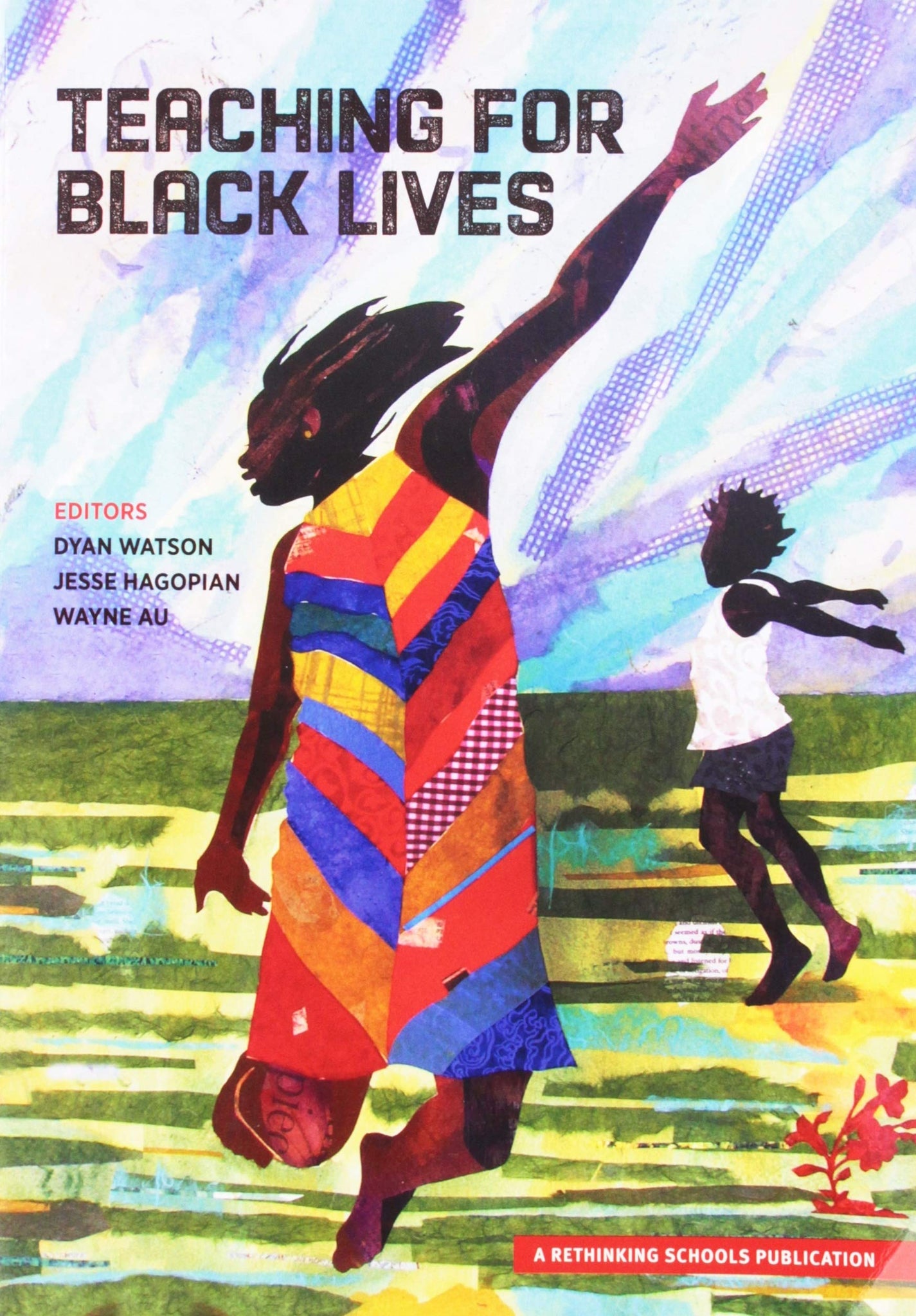
Teaching for Black Lives
by Dyan Watson & Wayne Au
$29.95Teaching for Black Lives grows directly out of the movement for Black lives. We recognize that anti-Black racism constructs Black people, and Blackness generally, as not counting as human life. Throughout this book, we provide resources and demonstrate how teachers connect curriculum to young people's lives and root their concerns and daily experiences in what is taught and how classrooms are set up. We also highlight the hope and beauty of student activism and collective action. - Black Slaves, Indian Masters
![Black Slaves, Indian Masters]()

Black Slaves, Indian Masters
by Barbara Krauthamer
Sold outFrom the late eighteenth century through the end of the Civil War, Choctaw and Chickasaw Indians bought, sold, and owned Africans and African Americans as slaves, a fact that persisted after the tribes' removal from the Deep South to Indian Territory. Through the end of the nineteenth century, ongoing conflicts among Choctaw, Chickasaw, and U.S. lawmakers left untold numbers of former slaves and their descendants in the two Indian nations without citizenship in either the Indian nations or the United States. In this groundbreaking study, Barbara Krauthamer rewrites the history of southern slavery, emancipation, race, and citizenship to reveal the centrality of Native American slaveholders and the black people they enslaved.
Black Slaves, Indian Masters: Slavery, Emancipation, and Citizenship in the Native American South
From the late eighteenth century through the end of the Civil War, Choctaw and Chickasaw Indians bought, sold, and owned Africans and African Americans as slaves, a fact that persisted after the tribes' removal from the Deep South to Indian Territory. The tribes formulated racial and gender ideologies that justified this practice and marginalized free black people in the Indian nations well after the Civil War and slavery had ended. Through the end of the nineteenth century, ongoing conflicts among Choctaw, Chickasaw, and U.S. lawmakers left untold numbers of former slaves and their descendants in the two Indian nations without citizenship in either the Indian nations or the United States. In this groundbreaking study, Barbara Krauthamer rewrites the history of southern slavery, emancipation, race, and citizenship to reveal the centrality of Native American slaveholders and the black people they enslaved.
Krauthamer's examination of slavery and emancipation highlights the ways Indian women's gender roles changed with the arrival of slavery and changed again after emancipation and reveals complex dynamics of race that shaped the lives o - Medical Bondage: Race, Gender, and the Origins of American Gynecology
![Medical Bondage: Race, Gender, and the Origins of American Gynecology]()
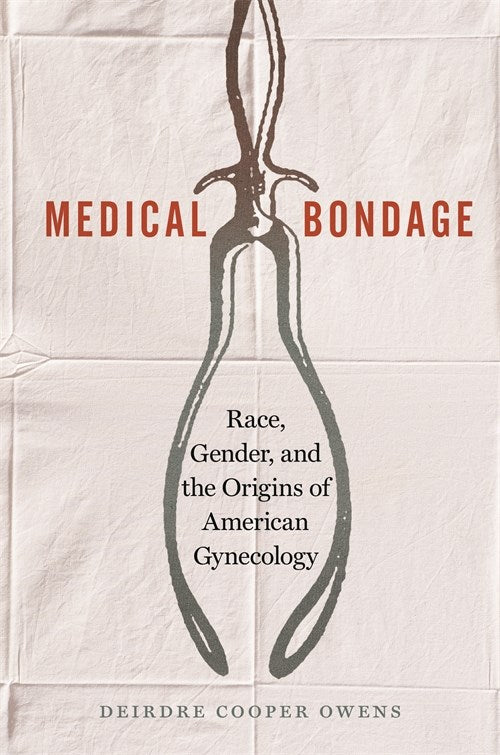
Medical Bondage: Race, Gender, and the Origins of American Gynecology
by Deirdre Cooper Owens
Sold outHow pioneering gynecologists promoted and exploited scientific myths about inferior races and nationalities. The accomplishments of pioneering doctors such as John Peter Mettauer, James Marion Sims, and Nathan Bozeman are well documented. It is also no secret that these nineteenth-century gynecologists performed experimental caesarean sections, ovariotomies, and obstetric fistula repairs primarily on poor and powerless women. Medical Bondage breaks new ground by exploring how and why physicians denied these women their full humanity yet valued them as “medical superbodies” highly suited for medical experimentation.
In Medical Bondage, Cooper Owens examines a wide range of scientific literature and less formal communications in which gynecologists created and disseminated medical fictions about their patients, such as their belief that black enslaved women could withstand pain better than white “ladies.” Even as they were advancing medicine, these doctors were legitimizing, for decades to come, groundless theories related to whiteness and blackness, men and women, and the inferiority of other races or nationalities.
Medical Bondage moves between southern plantations and northern urban centers to reveal how nineteenth-century American ideas about race, health, and status influenced doctor-patient relationships in sites of healing like slave cabins, medical colleges, and hospitals. It also retells the story of black enslaved women and of Irish immigrant women from the perspective of these exploited groups and thus restores for us a picture of their lives. - The Gucci Mane Guide to Greatness
![The Gucci Mane Guide to Greatness]()
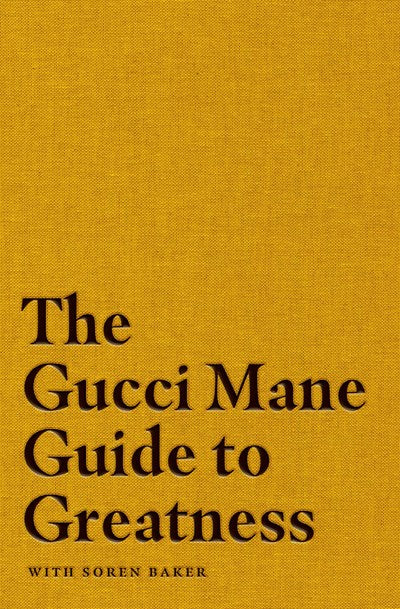
The Gucci Mane Guide to Greatness
by Gucci Mane
$28.00*ships in 7-10 business days*
In this inspiring follow-up to his iconic memoir, Gucci Mane gifts us with his playbook for living your best life. Packed with stunning photographs, The Gucci Mane Guide to Greatness distills the legend’s timeless wisdom into a one-of-a-kind motivational guidebook. Gucci Mane emerged transformed after a turbulent life of violence, crime, and addiction to become a dazzling embodiment of the power of positivity, focus, and hard work. Using examples from his life of unparalleled success, Gucci Mane looks inward and upward to offer his blueprint for greatness. A must-read for anyone with big ambitions and bigger dreams.
- Franklin Barbecue: A Meat-Smoking Manifesto [A Cookbook]
![Franklin Barbecue: A Meat-Smoking Manifesto [A Cookbook] cover image]()
![Franklin Barbecue: A Meat-Smoking Manifesto [A Cookbook] cover image](//kindredstorieshtx.com/cdn/shop/files/9781607747208_2048x2048.jpg?v=1758137352)
Franklin Barbecue: A Meat-Smoking Manifesto [A Cookbook]
$29.99NEW YORK TIMES BESTSELLER • A complete meat and brisket-cooking education from the country's most celebrated pitmaster and owner of the wildly popular Austin restaurant Franklin Barbecue.
When Aaron Franklin and his wife, Stacy, opened up a small barbecue trailer on the side of an Austin, Texas, interstate in 2009, they had no idea what they’d gotten themselves into. Today, Franklin Barbecue has grown into the most popular, critically lauded, and obsessed-over barbecue joint in the country (if not the world)—and Franklin is the winner of every major barbecue award there is.
In this much-anticipated debut, Franklin and coauthor Jordan Mackay unlock the secrets behind truly great barbecue, and share years’ worth of hard-won knowledge. Franklin Barbecue is a definitive resource for the backyard pitmaster, with chapters dedicated to building or customizing your own smoker; finding and curing the right wood; creating and tending perfect fires; sourcing top-quality meat; and of course, cooking mind-blowing, ridiculously delicious barbecue, better than you ever thought possible. - Testimony Therapy: Decolonizing Mental Health for Black Therapists and Clients
![Testimony Therapy: Decolonizing Mental Health for Black Therapists and Clients cover image]()

Testimony Therapy: Decolonizing Mental Health for Black Therapists and Clients
$28.99Centering Black culture and community for liberating, anti-racist therapeutic practice.
This innovative book lays out the journey of family therapist Makungu Akinyela in developing testimony therapy―a healing practice rooted in Black cultural traditions of testifying and storytelling. This book argues that traditional Eurocentric approaches to therapy often perpetuate colonial oppression in the lives of Black clients, and that decolonizing mental health requires centering African American cultural knowledge, history, and community.
Drawing from thinkers from the Black radical critical tradition like Frantz Fanon and W. E. B. Du Bois, Dr. Akinyela frames testimony therapy as a narrative practice grounded in Ubuntu (the African communal self) and the oral traditions of African diasporic peoples. Testimony Therapy maps out theory, practices, and supervision approaches that help therapists support clients in resisting internalized racism, reclaiming self-definition, and nurturing liberated Black identities. Ultimately, this work is a call for Black therapists and clients to engage therapy as cultural resistance―a pathway to repair our souls and build collective freedom beyond Eurocentric limitations.
- Black Fatigue, Second Edition: How Racism Erodes the Mind, Body, and Spirit
![Black Fatigue, Second Edition: How Racism Erodes the Mind, Body, and Spirit cover image]()

Black Fatigue, Second Edition: How Racism Erodes the Mind, Body, and Spirit
Sold outThe pioneering book that exposed the intergenerational health impacts of systemic racism is back—with 50 percent new content to meet the demands of our post-2020 reality.
This updated edition delivers urgent tools for survival, including four new chapters, updated research, case studies, and real-world examples.
Black people are exhausted. The toll of living within systems designed to exclude them devastates minds, bodies, and spirits. Award-winning diversity, equity, and inclusion leader Mary-Frances Winters—now joined by Mareisha Winters Reese—addresses this ongoing crisis with an urgent update to her bestselling book.
Winters and Reese incorporate new data, fresh case studies, and expanded tools to reflect today’s realities. This edition, with 50 percent new content, includes the following:
* Four new chapters on current challenges facing Black communities
* Updated research on racism’s health impacts in a post-COVID world
* New stories and case studies that illuminate lived experience
* Updated models reflecting today’s most relevant findingsWith unflinching honesty and a practical lens, Winters and Reese document the enduring toll of “living while Black” while also equipping readers with strategies for personal healing and organizational transformation. The research is current, the case studies are real, and the tools are designed to create lasting systemic change.
- Making Space: Updated Edition: Creating a Home Meditation Practice
![Making Space: Updated Edition: Creating a Home Meditation Practice cover image]()

Making Space: Updated Edition: Creating a Home Meditation Practice
Sold outBe at home in yourself and recreate your living space as a cozy sanctuary of peace and calm during stressful times with this mindfulness meditation book by Zen Master Thich Nhat Hanh.
Hailed by TIME magazine as "the monk who taught the world mindfulness," Thich Nhat Hanh developed practices for people to be able to feel at home in themselves and in the world, especially during times of transition and change.
Designed to be both inspiration and guidebook for those new to mindfulness practice, Making Space offers easy-to-follow instructions for:
* Setting up an area in your home for mindfulness practice—a literal breathing space
* Listening to a mindfulness bell to bring you home to yourself
* Breathing and sitting meditations
* The "cake in the refrigerator" practice for households to consciously steer their conversations in a harmonious direction
* Walking meditation
* Cooking and eating a meal in mindfulnessWhether you live alone or with your partner or a family, this beautifully illustrated book can help you create a sense of retreat and sanctuary in yourself and at home.
- Why Does Everything Have to Be About Race?: 25 Arguments That Won't Go Away
![Why Does Everything Have to Be About Race?: 25 Arguments That Won't Go Away cover image]()

Why Does Everything Have to Be About Race?: 25 Arguments That Won't Go Away
Sold outFight back against misinformation and ignorance as New York Times bestselling author Keith Boykin debunks 25 of the most common claims used to refute America’s racist past and present.
The most toxic racial arguments share one of five traits. They try to erase Black history, prioritize white victimhood, deny Black oppression, promote myths of Black inferiority, or rebrand racism as something else entirely. They’re all designed to distract society from racial justice, but now we have the tools to debunk them.
With a mixture of personal experience, reportage, and extensive research, Keith Boykin takes a wrecking ball to twenty-five of the most widespread deceptions about race, such as:
* The Civil War was about states’ rights, not slavery
* Affirmative action is reverse discrimination
* Critical Race Theory is indoctrinating children to hate one another
and shows us how to refute lies, myths, and misinformation with history, knowledge, and truth. - The Flower Bearers
![The Flower Bearers cover image]()

The Flower Bearers
$29.00“This singular memoir stunned me. With a poet’s precision, Rachel Eliza Griffiths renders two interwoven tragedies few others could have lived through, much less written about with such clear-eyed candor.”—Mary Karr, New York Times bestselling author of The Liars’ Club
On September 24, 2021, Rachel Eliza Griffiths married her husband, the novelist Salman Rushdie. On the same day, hundreds of miles away, Griffiths’ closest friend and chosen sister, the poet Kamilah Aisha Moon, who was expected to speak at the wedding, died suddenly. Eleven months later, as Griffiths attempted to piece together her life as a newlywed with heartbreak in one hand and immense love in the other, a brutal attack nearly killed her husband. As trauma compounded trauma, Griffiths realized that in order to survive her grief, she would need to mourn not only her friend, but the woman she had been on her wedding day, a woman who had also died that day.
In the process of rebuilding a self, Griffiths chronicles her friendship with Moon, the seventeen years since their meeting at Sarah Lawrence College. Together, they embraced their literary foremothers—Lucille Clifton, Toni Morrison, Alice Walker, to name a few—and fought to embrace themselves as poets, artists, and Black women. Alongside this unbreakable bond, Griffiths weaves the story of her relationship with Rushdie, of the challenges they have faced and the unshakeable devotion that endures.
In The Flower Bearers, Griffiths inscribes the trajectories of two transformational relationships with grace and honesty, chronicling the beauty and pain that comes with opening oneself fully to love.


![Franklin Barbecue: A Meat-Smoking Manifesto [A Cookbook] cover image](http://kindredstorieshtx.com/cdn/shop/files/9781607747208_{width}x.jpg?v=1758137352)
![Franklin Barbecue: A Meat-Smoking Manifesto [A Cookbook] cover image](http://kindredstorieshtx.com/cdn/shop/files/9781607747208_2048x2048.jpg?v=1758137352)


Stay Informed. We're building a community committed to celebrating Black authors + artisans. Subscribe to keep up with all things Kindred Stories.