
Search results: 33 results for “by w.e.b. du bois”
Not finding what you're looking for? Check out our shop on bookshop.org to order and still support us ♥
33 results
-
W.E.B. Du Bois: Black Reconstruction (LOA #350): An Essay Toward a History of the Part whichBlack Folk Played in the Attempt to ReconstructDemocracy in America, 1860–1880 (Library of America, 350)
![W.E.B. Du Bois: Black Reconstruction (LOA #350): An Essay Toward a History of the Part whichBlack Folk Played in the Attempt to ReconstructDemocracy in America, 1860–1880 (Library of America, 350) cover image]()

W.E.B. Du Bois: Black Reconstruction (LOA #350): An Essay Toward a History of the Part whichBlack Folk Played in the Attempt to ReconstructDemocracy in America, 1860–1880 (Library of America, 350)
W.E.B. Du Bois
$45.00A definitive edition of the landmark book that forever changed our understanding of the Civil War’s aftermath and the legacy of racism in America
Upon publication in 1935, W.E.B. Du Bois’s now classic Black Reconstruction offered a revelatory new assessment of Reconstruction—and of American democracy itself. One of the towering African American thinkers and activists of the twentieth century, Du Bois brought all his intellectual powers to bear on the nation’s post-Civil War era of political reorganization, a time when African American progress was met with a white supremacist backlash and ultimately yielded to the consolidation of the unjust social order of Jim Crow.
Black Reconstruction is a pioneering work of revisionist scholarship that, in the wake of the censorship of Du Bois’s characterization of Reconstruction by the Encyclopedia Britannica, was written to debunk influential historians whose racist ideas and emphases had disfigured the historical record. “The chief witness in Reconstruction, the emancipated slave himself,” Du Bois argued, “has been almost barred from court. His written Reconstruction record has been largely destroyed and nearly always neglected.” In setting the record straight Du Bois produced what co-editor Eric Foner has called an “indispensable book,” a magisterial work of detached scholarship that is also imbued with passionate outrage.
Presented in a handsome and authoritative hardcover edition prepared by Foner and co-editor Henry Louis Gates, Jr., Black Reconstruction is joined here for the first time with important writings that trace Du Bois’s thinking throughout his career about Reconstruction and its centrality in understanding the tortured course of democracy in America.
-
The Love Songs of W.E.B. Du Bois
![The Love Songs of W.E.B. Du Bois]()
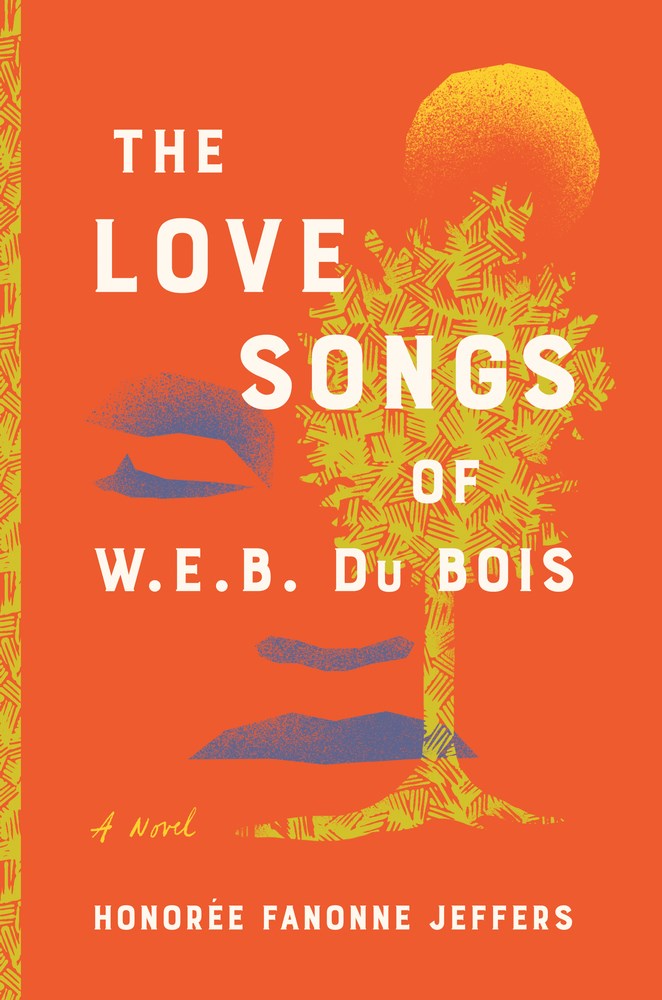
The Love Songs of W.E.B. Du Bois
by Honorée Fanonne Jeffers
from $20.00“My life had its significance and its only deep significance because it was part of a Problem,” W. E. B. Du Bois once wrote. Since childhood, Ailey Pearl Garfield has understood these words all too well. Bearing the names of two formidable Black Americans—the revered choreographer Alvin Ailey and her great grandmother, the descendant of slaves and tenant farmers—Ailey carries the weight of this Problem on her shoulders.
The daughter of an accomplished doctor and a strict schoolteacher, Ailey is raised in the City but spends summers in the small Georgia town of Chicasetta, where her mother’s family has lived since their ancestors arrived from Africa in bondage. Growing up, she struggles with this duality, a battle for belonging that shapes her identity. On one side are her exacting parents and her imperious, light-skinned grandmother Nana Claire, to whom skin color is paramount. On the other, Ailey feels the pull of the “deep country” of her mother’s land-tending family, whose forebears endured the horrors of slavery and Jim Crow.
But how can Ailey live up to everyone’s expectations when half of her family rejects the truth of a fraught racial history, while the rest can’t ever seem to break away from it?
-
Black Reconstruction in America 1860-1880
![Black Reconstruction in America 1860-1880]()
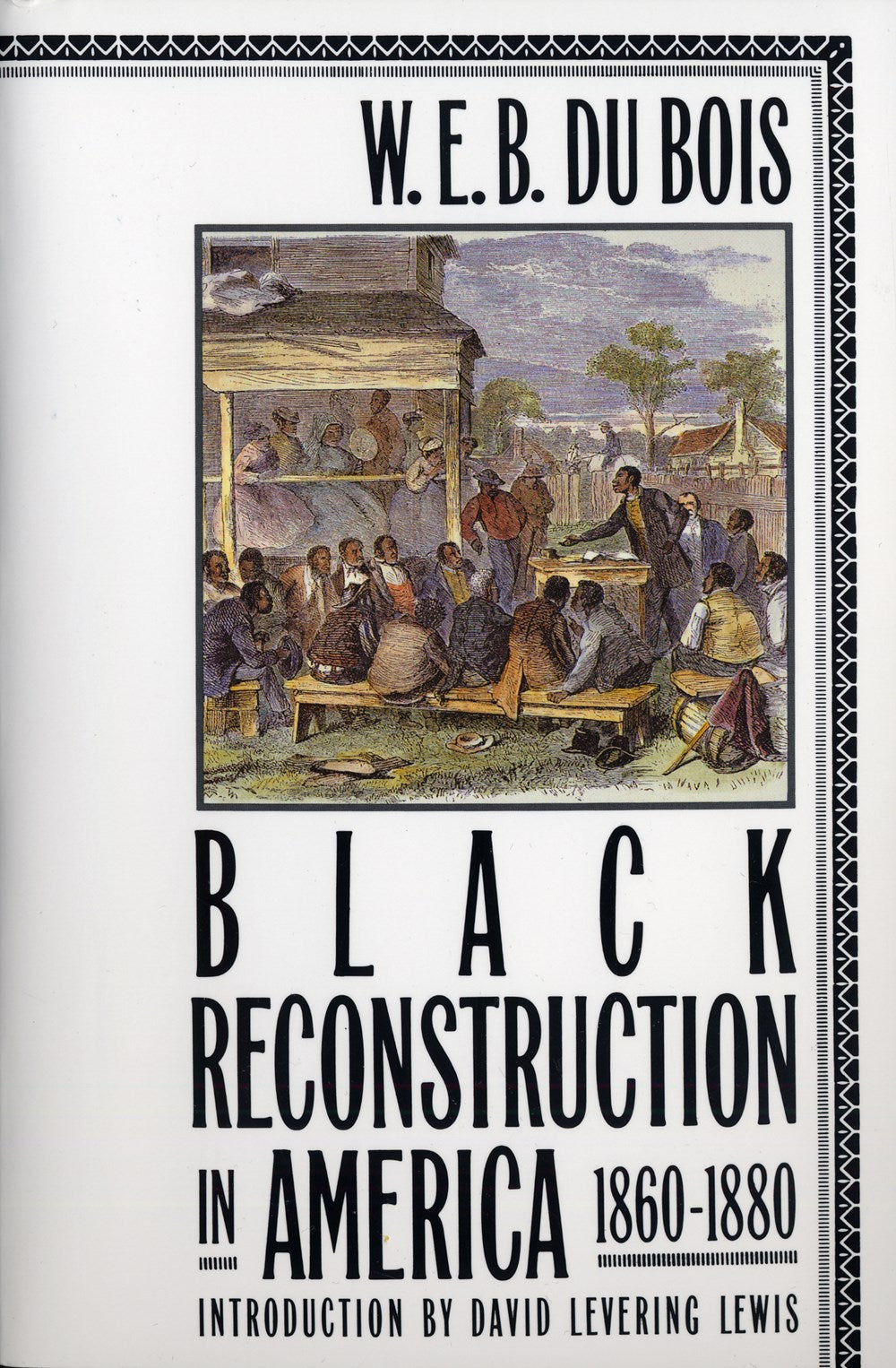
Black Reconstruction in America 1860-1880
by W. E. B. Du Bois
$26.00The pioneering work in the study of the role of Black Americans during Reconstruction by the most influential Black intellectual of his time.
This pioneering work was the first full-length study of the role black Americans played in the crucial period after the Civil War, when the slaves had been freed and the attempt was made to reconstruct American society. Hailed at the time, Black Reconstruction in America 1860–1880 has justly been called a classic. -
The Education of Black People: Ten Critiques, 1906-1960
![The Education of Black People: Ten Critiques, 1906-1960]()
The Education of Black People: Ten Critiques, 1906-1960
$18.00Undoubtedly the most influential black intellectual of the twentieth century and one of America's finest historians, W.E.B. DuBois knew that the liberation of the African American people required liberal education and not vocational training. He saw education as a process of teaching certain timeless values: moderation, an avoidance of luxury, a concern for courtesy, a capacity to endure, a nurturing love for beauty. At the same time, DuBois saw education as fundamentally subversive. This was as much a function of the well-established role of educationfrom Plato forwardas the realities of the social order under which he lived. He insistently calls for great energy and initiative; for African Americans controlling their own lives and for continued experimentation and innovation, while keeping education's fundamentally radical nature in view.
Though containing speeches written nearly one-hundred years ago, and on a subject that has seen more stormy debate and demagoguery than almost any other in recent history, The Education of Black People approaches education with a timelessness and timeliness, at once rooted in classical thought that reflects a remarkably fresh and contemporary relevance. -
We Are the Leaders We Have Been Looking For (The W. E. B. Du Bois Lectures)
![Book cover image]()
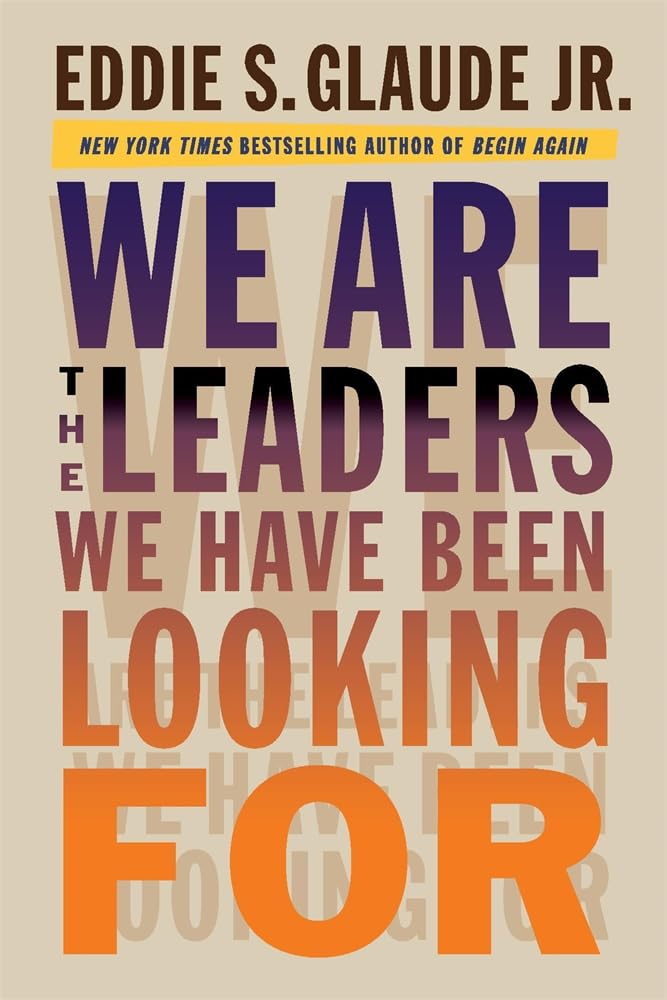
We Are the Leaders We Have Been Looking For (The W. E. B. Du Bois Lectures)
from $18.95From the author of the New York Times bestseller Begin Again, a politically astute, lyrical meditation on how ordinary people can shake off their reliance on a small group of professional politicians and assume responsibility for what it takes to achieve a more just and perfect democracy.
“Like attending a jazz concert with all of one’s favorite musicians…James Baldwin, Martin Luther King, Jr., Malcolm X, Ella Baker, Toni Morrison, and more…Glaude brilliantly takes us on an epic tour through their lives and work.”
―Henry Louis Gates, Jr., author of The Black Box: Writing the RaceWe are more than the circumstances of our lives, and what we do matters. In We Are the Leaders We Have Been Looking For, one of the nation’s preeminent scholars and a New York Times bestselling author, Eddie S. Glaude Jr., makes the case that the hard work of becoming a better person should be a critical feature of Black politics. Through virtuoso interpretations of Martin Luther King, Jr., Malcolm X, and Ella Baker, Glaude shows how we have the power to be the heroes that our democracy so desperately requires.
Based on the Du Bois Lectures delivered at Harvard University, the book begins with Glaude’s unease with the Obama years. He felt then, and does even more urgently now, that the excitement around the Obama presidency constrained our politics as we turned to yet another prophet-like figure. He examines his personal history and the traditions that both shape and overwhelm his own voice.
Glaude weaves anecdotes about his evolving views on Black politics together with the writings of Ralph Waldo Emerson, John Dewey, Toni Morrison, James Baldwin, and Ralph Ellison, encouraging us to reflect on the lessons of these great thinkers and address imaginatively the challenges of our day in voices uniquely our own.
Narrated with passion and philosophical intensity, this book is a powerful reminder that if American democracy is to survive, we must step out from under the shadows of past giants to build a better society―one that derives its strength from the pew, not the pulpit.
-
Darkwater
![Darkwater]()
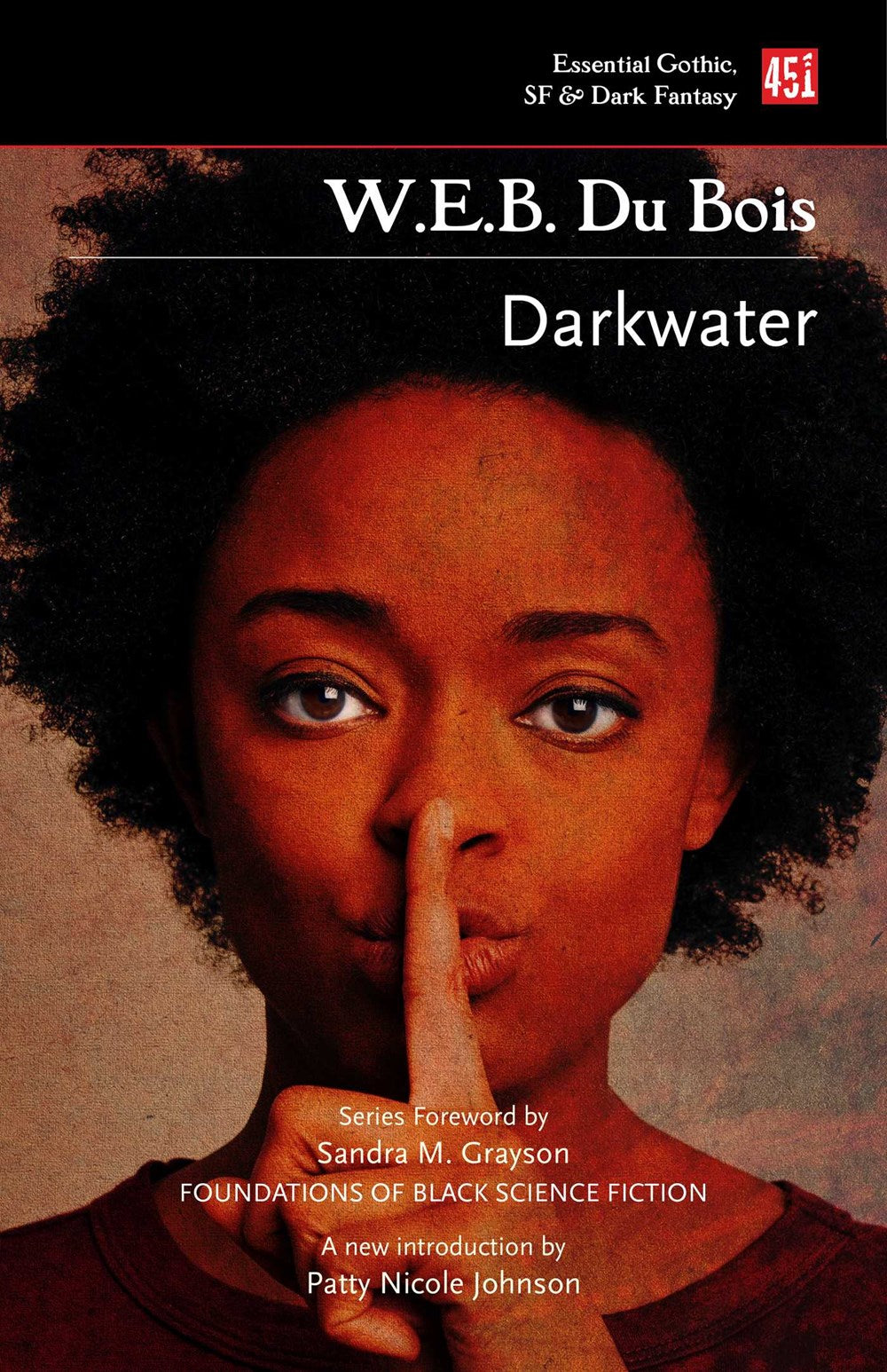
Darkwater
by W.E.B. Du Bois
$10.99Du Bois' foundational investigation of social justice and civil rights by means of essay, poetry, prayer and short science fiction.
A new edition with a new introduction, Du Bois' radical text is a rare statement of values formed around the vision of a collective life, where the humanity of black women and men is treated with dignity and equality. He expresses his themes through a series of literary forms: polemic essay, spirituals, poetry and short science fiction, each of which forms a pulse of social justice from a time when a true understanding of intersections between poverty, work, racism and feminism was rare. A new title in the Foundations of Black Science Fiction series. -
Everyday Sh!t: Notes on Abolition and Reconstruction (Abolition Collective)
![Everyday Sh!t: Notes on Abolition and Reconstruction (Abolition Collective) cover image]()

Everyday Sh!t: Notes on Abolition and Reconstruction (Abolition Collective)
$20.00The inaugural issue of the movement-focused and future-forward Abolition Journal quarterly after it was relaunched by the Philadelphia-based Abolition School.
This pilot issue of the revived Abolition Journal is produced by the Philadelphia-based W.E.B. Du Bois Movement School for Abolition & Reconstruction. It brings together two dozen urgent and timely interventions in political debates around abolition and aims to show how this abstract idea manifests itself in our daily lives.
These interventions, authored by a diverse cast of contributors, including academics and attorneys, so-called felons and physicians, artists and educators, and parents, playwrights and poets, explore the everyday experiences that come with trying to live out an abolitionist politics. In the words of the editors, these experiences include “the daily victories and errands, reflections and runarounds, gestures and drama, habits and heartbreaks, setbacks and surrenders, excuses and evasions, breakdowns and breakthroughs.”
The issue curates a variety of content, including political essays, short stories, poetry, interviews, and speeches, each resonating and reflecting in their own unique way on the central theme “Everyday Sh!t.” They offer thoughts and reflections on structure, practice, care, and direction to deepen existing movement knowledge and invite new audiences to see themselves mirrored within this work.
Without exception, these are stories of sincere experience mixed with radical poetic visions culled from the issue contributors’ plurality of pasts, presents, and prefigurative futures. Grounded in Philadelphia, yet looking out onto the whole wide world, Abolition Journal aims to reflect the lived complexity that can be messy and self-defeating, but equally authentic and inspiring. -
W. E. B. Du Bois Stickers | Black History | Activists
![W. E. B. Du Bois Stickers | Black History | Activists]()

W. E. B. Du Bois Stickers | Black History | Activists
$4.00Celebrate the legacy of W. E. B. Du Bois, a trailblazing scholar, writer, and civil rights activist, with this premium die-cut sticker. Perfect for history enthusiasts, educators, and those who appreciate Black intellectual excellence, this sticker adds a meaningful touch to laptops, water bottles, notebooks, and more. Made from durable, waterproof material with a matte finish, it’s designed to last. ✨ Great for seasonal displays & themed promotions: • Black History Month & Educational Collections • Bookstores, Museum Shops & Gift Stores • Perfect for Teachers, Students & Scholars • Ideal for Cultural & Literary Enthusiasts 📌 Product details: • Size: Approx. 3” x2.6 " • Durable, waterproof vinyl with a matte finish • Dishwasher safe and long-lasting •Packaging: Sold individually; no packaging -
Ideas in Unexpected Places : Reimagining Black Intellectual History
![Ideas in Unexpected Places : Reimagining Black Intellectual History]()

Ideas in Unexpected Places : Reimagining Black Intellectual History
by Leslie M. Alexander, Brandon R. Byrd & Russell Rickford
$38.00This transformative collection advances new approaches to Black intellectual history by foregrounding the experiences and ideas of people who lacked access to more privileged mechanisms of public discourse and power. While the anthology highlights renowned intellectuals such as W. E. B. Du Bois, it also spotlights thinkers such as enslaved people in the antebellum United States, US Black expatriates in Guyana, and Black internationals in Liberia. The knowledge production of these men, women, and children has typically been situated outside the disciplinary and conceptual boundaries of intellectual history.
The volume centers on the themes of slavery and sexuality; abolitionism; Black internationalism; Black protest, politics, and power; and the intersections of the digital humanities and Black intellectual history. The essays draw from diverse methodologies and fields to examine the ideas and actions of Black thinkers from the eighteenth century to the present, offering fresh insights while creating space for even more creative approaches within the field.
Timely and incisive, Ideas in Unexpected Places encourages scholars to ask new questions through innovative interpretive lenses—and invites students, scholars, and other practitioners to push the boundaries of Black intellectual history even further. -
A Harlem Wedding: A Novel
![A Harlem Wedding: A Novel cover image]()

A Harlem Wedding: A Novel
$19.99From The Unexpected Diva author Tiffany Warren—a dishy and dramatic novel of the Harlem Renaissance and its most famous Black debutante, Yolande Du Bois, daughter of W.E.B. Du Bois, whose spectacular wedding to poet Countee Cullen was the society event of the year...even though the bride and groom were not-so-secretly in love with other people.
A century ago, Harlem’s glittering social scene had a single princess: Yolande Du Bois, the only child of N.A.A.C.P. icon W.E.B. Du Bois. Yolande was bold, vivacious, and beloved of every gossip columnist. A true daddy’s girl, Yolande followed her father’s advice on everything: from where she went to college (Fisk—Papa’s alma mater) to which sorority she joined (Delta Sigma Theta). But in matters of the heart, Yolande and her father did not agree. Dr. Du Bois himself curated a string of handsome suitors from the “Talented Tenth” for her, but Yolande’s true love was jazz musician Jimmie Lunceford, son of a working-class family from far-off Denver, Colorado. Their romance was an open secret, and more than a little scandalous.
Despite it all, Yolande wound up marrying her father’s choice: famed poet Countee Cullen. Their lavish uptown wedding was the hottest social ticket of 1928. With three thousand attendees, sixteen bridesmaids, and Langston Hughes as a groomsman, it was truly a sight to behold.
But, immediately after the wedding, Yolande’s carefully constructed fairy tale begins to crumble. Torn between the expectations of her father and society and her heart’s true desire, Yolande is forced to decide whether she must leave Harlem to create a more authentic life on her own terms.
A Harlem Wedding is a heady read about love, notoriety, Black excellence, deception, and the très chic lifestyles of the Black elite, from speakeasies of Harlem and the green fields of Fisk University, all the way to Le Grand Duc in Paris.
-
Misbehaving at the Crossroads: Essays & Writings
![Misbehaving at the Crossroads: Essays & Writings cover image]()

Misbehaving at the Crossroads: Essays & Writings
Honoree Fanonne Jeffers
$19.99The New York Times-bestselling, National Book Award-nominated author of The Love Songs of W.E.B. Du Bois and The Age of Phillis makes her nonfiction debut with this personal and thought-provoking work that explores the journeys and possibilities of Black women throughout American history and in contemporary times.
Honorée Fanonne Jeffers is at a crossroads.
Traditional African/Black American cultures present the crossroads as a place of simultaneous difficulty and possibility. In contemporary times, Kimberlé Crenshaw coined the phrase “intersectionality” to explain the unique position of Black women in America. In many ways, they are at a third crossroads: attempting to fit into notions of femininity and respectability primarily assigned to White women, while inventing improvisational strategies to combat oppression.
In Misbehaving at the Crossroads, Jeffers explores the emotional and historical tensions in Black women’s public lives and her own private life. She charts voyages of Black girlhood to womanhood and the currents buffeting these journeys, including the difficulties of racially gendered oppression, the challenges of documenting Black women’s ancestry; the adultification of Black girls; the irony of Black female respectability politics; the origins of Womanism/Black feminism; and resistance to White supremacy and patriarchy. As Jeffers shows with empathy and wisdom, naming difficult historical truths represents both Blues and transcendence, a crossroads that speaks.
Necessary and sharply observed, provocative and humane, and full of the insight and brilliance that has characterized her poetry and fiction, Misbehaving at the Crossroads illustrates the life of one extraordinary Black woman—and her extraordinary foremothers.
-
Stamped from the Beginning: The Definitive History of Racist Ideas in America (Revised)
![Stamped from the Beginning: The Definitive History of Racist Ideas in America (Revised)]()
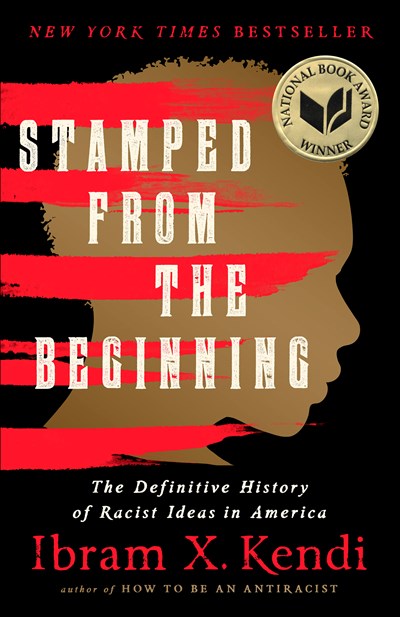
Stamped from the Beginning: The Definitive History of Racist Ideas in America (Revised)
by Ibram X. Kendi
$24.99The National Book Award winning history of how racist ideas were created, spread, and deeply rooted in American society.
Some Americans insist that we're living in a post-racial society. But racist thought is not just alive and well in America -- it is more sophisticated and more insidious than ever. And as award-winning historian Ibram X. Kendi argues, racist ideas have a long and lingering history, one in which nearly every great American thinker is complicit.
In this deeply researched and fast-moving narrative, Kendi chronicles the entire story of anti-black racist ideas and their staggering power over the course of American history. He uses the life stories of five major American intellectuals to drive this history: Puritan minister Cotton Mather, Thomas Jefferson, abolitionist William Lloyd Garrison, W.E.B. Du Bois, and legendary activist Angela Davis.
As Kendi shows, racist ideas did not arise from ignorance or hatred. They were created to justify and rationalize deeply entrenched discriminatory policies and the nation's racial inequities.In shedding light on this history, Stamped from the Beginning offers us the tools we need to expose racist thinking. In the process, he gives us reason to hope.


Stay Informed. We're building a community committed to celebrating Black authors + artisans. Subscribe to keep up with all things Kindred Stories.