
Non-fiction
- Intimations: Six Essays
![Intimations: Six Essays]()

Intimations: Six Essays
by Zadie Smith
$10.95*ships in 7-10 business days
Deeply personal and powerfully moving, a short and timely series of reflective essays by one of the most clear-sighted and essential writers of our time.
Written during the early months of lockdown, Intimations explores ideas and questions prompted by an unprecedented situation. What does it mean to submit to a new reality--or to resist it? How do we compare relative sufferings? What is the relationship between time and work? In our isolation, what do other people mean to us? How do we think about them? What is the ratio of contempt to compassion in a crisis? When an unfamiliar world arrives, what does it reveal about the world that came before it?
Suffused with a profound intimacy and tenderness in response to these extraordinary times, Intimations is a slim, suggestive volume with a wide scope, in which Zadie Smith clears a generous space for thought, open enough for each reader to reflect on what has happened--and what should come next.
The author will donate her royalties from the sale of Intimations to charity. - Manifesto: On Never Giving Up
![Manifesto: On Never Giving Up]()
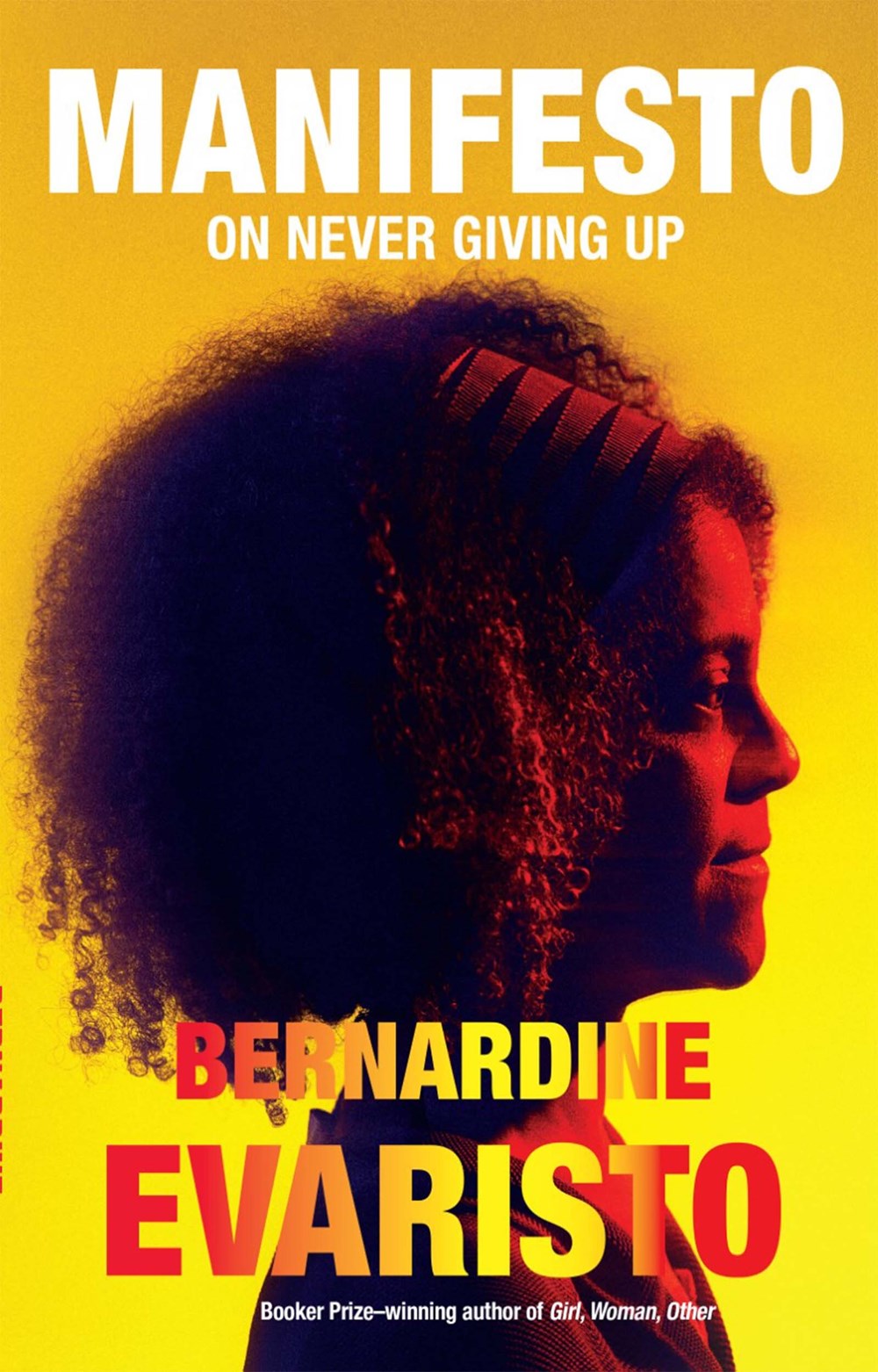
Manifesto: On Never Giving Up
by Bernardine Evaristo
$27.00From the bestselling and Booker Prize–winning author of Girl, Woman, Other, Bernardine Evaristo’s memoir of her own life and writing, and her manifesto on unstoppability, creativity, and activism
Bernardine Evaristo’s 2019 Booker Prize win was a historic and revolutionary occasion, with Evaristo being the first Black woman and first Black British person ever to win the prize in its fifty-year history. Girl, Woman, Other was named a favorite book of the year by President Obama and Roxane Gay, was translated into thirty-five languages, and has now reached more than a million readers.
Evaristo’s astonishing nonfiction debut, Manifesto, is a vibrant and inspirational account of Evaristo’s life and career as she rebelled against the mainstream and fought over several decades to bring her creative work into the world. With her characteristic humor, Evaristo describes her childhood as one of eight siblings, with a Nigerian father and white Catholic mother, tells the story of how she helped set up Britain’s first Black women’s theatre company, remembers the queer relationships of her twenties, and recounts her determination to write books that were absent in the literary world around her. She provides a hugely powerful perspective to contemporary conversations around race, class, feminism, sexuality, and aging. She reminds us of how far we have come, and how far we still have to go. In Manifesto, Evaristo charts her theory of unstoppability, showing creative people how they too can visualize and find success in their work, ignoring the naysayers.
Both unconventional memoir and inspirational text, Manifesto is a unique reminder to us all to persist in doing work we believe in, even when we might feel overlooked or discounted. Evaristo shows us how we too can follow in her footsteps, from first vision, to insistent perseverance, to eventual triumph.
- Our Time Is Now
![Our Time Is Now]()
Our Time Is Now
by Stacey Abrams
$27.99"This is a narrative that describes the urgency that compels me and millions more to push for a different American story than the one being told today. It's a story that is one part danger, one part action, and all true. It's a story about how and why we fight for our democracy and win."
Celebrated national leader and bestselling author Stacey Abrams offers an blueprint to end voter suppression, empower our citizens, and take back our country. A recognized expert on fair voting and civic engagement, Abrams chronicles a chilling account of how the right to vote and the principle of democracy have been and continue to be under attack. Abrams would have been the first African American woman governor, but experienced these effects firsthand, despite running the most innovative race in modern politics as the Democratic nominee in Georgia. Abrams didn’t win, but she has not conceded. The book compellingly argues for the importance of robust voter protections, an elevation of identity politics, engagement in the census, and a return to moral international leadership.
Our Time Is Now draws on extensive research from national organziations and renowned scholars, as well as anecdotes from her life and others’ who have fought throughout our country’s history for the power to be heard. The stakes could not be higher. Here are concrete solutions and inspiration to stand up for who we are—now. - Overground Railroad
![Overground Railroad]()
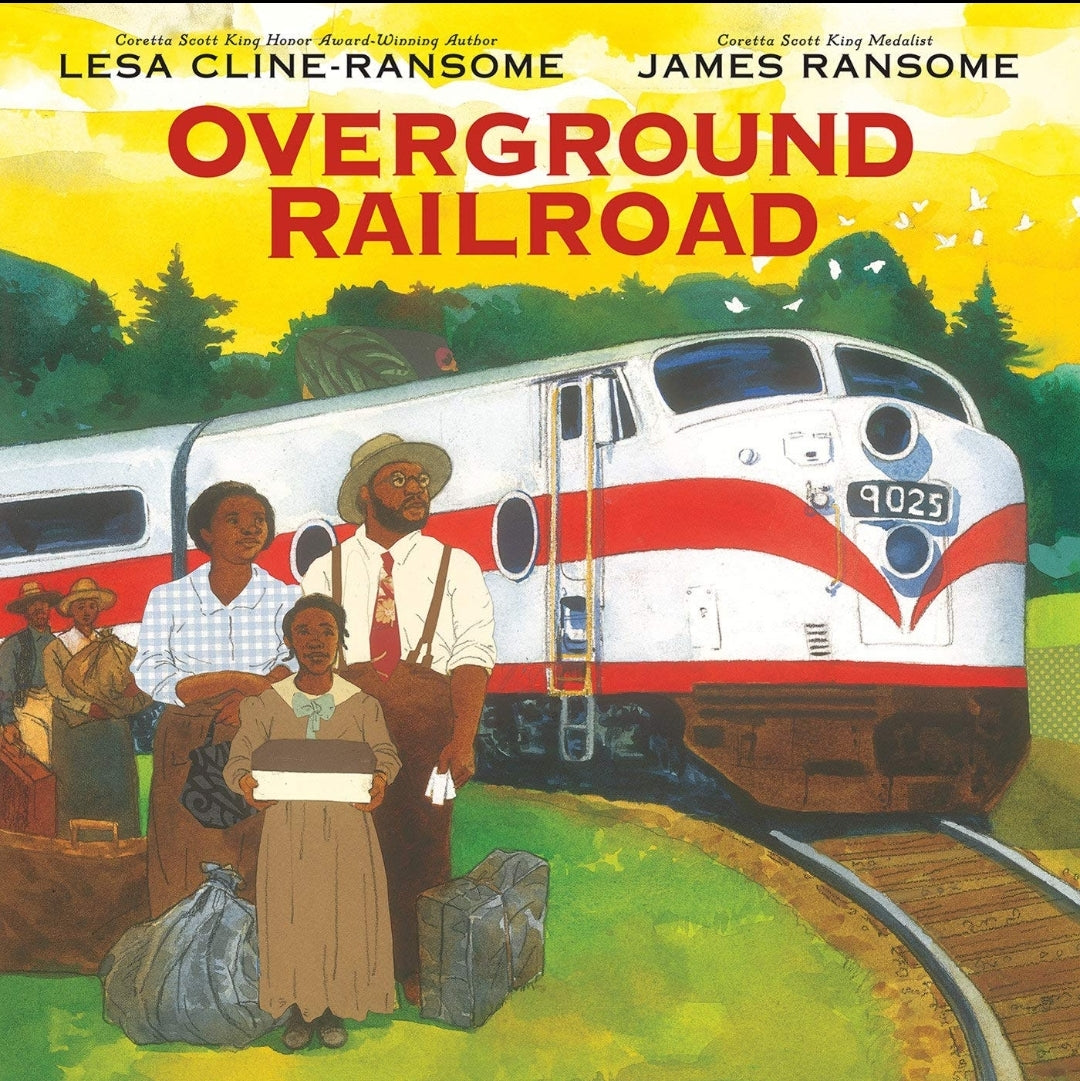
Overground Railroad
by Lesa Cline-Ransome
from $8.99*ships in 7-10 business days
A window into a child's experience of the Great Migration from the award-winning creators of Before She Was Harriet and Finding Langston.
Climbing aboard the New York bound Silver Meteor train, Ruth Ellen embarks upon a journey toward a new life up North-- one she can't begin to imagine. Stop by stop, the perceptive young narrator tells her journey in poems, leaving behind the cotton fields and distant Blue Ridge mountains.
Each leg of the trip brings new revelations as scenes out the window of folks working in fields give way to the Delaware River, the curtain that separates the colored car is removed, and glimpses of the freedom and opportunity the family hopes to find come into view. As they travel, Ruth Ellen reads from Narrative of the Life of Frederick Douglass, reflecting on how her journey mirrors her own-- until finally the train arrives at its last stop, New York's Penn Station, and the family heads out into a night filled with bright lights, glimmering stars, and new possiblity.
James Ransome's mixed-media illustrations are full of bold color and texture, bringing Ruth Ellen's journey to life, from sprawling cotton fields to cramped train cars, the wary glances of other passengers and the dark forest through which Frederick Douglass traveled towards freedom. Overground Railroad is, as Lesa notes, a story "of people who were running from and running to at the same time," and it's a story that will stay with readers long after the final pages. - The New Negro by Alain Locke
![The New Negro by Alain Locke]()
The New Negro by Alain Locke
$16.99The New Negro (1925) is an anthology by Alain Locke. Expanded from a March issue of Survey Graphic magazine, The New Negro compiles writing from such figures as Countee Cullen, Langston Hughes, Zora Neale Hurston, Jean Toomer, and Locke himself. Recognized as a foundational text of the Harlem Renaissance, the collection is organized around Locke’s writing on the function of art in reorganizing the conception of African American life and culture. Through self-understanding, creation, and independence, Locke’s New Negro came to represent a break from an inhumane past, a means toward meaningful change for a people held down for far too long.
“[F]or generations in the mind of America, the Negro has been more of a formula than a human being—a something to be argued about, condemned or defended, to be ‘kept down,’ or ‘in his place,’ or ‘helped up,’ to be worried with or worried over, harassed or patronized, a social bogey or a social burden.” Identifying the representation of black Americans in the national imaginary as oppressive in nature, Locke suggests a way forward through his theory of the New Negro, who “wishes to be known for what he is, even in his faults and shortcomings, and scorns a craven and precarious survival at the price of seeming to be what he is not.” Throughout The New Negro, leading artists and intellectuals of the Harlem Renaissance offer their unique visions of who and what they are; voicing their concerns, portraying injustice, and illuminating the black experience, they provide a holistic vision of self-expression in all of its colors and forms.
With a beautifully designed cover and professionally typeset manuscript, this edition of Alain Locke’s The New Negro is a classic of African American literature reimagined for modern readers.
- Night-Blooming Jasmin(n)e
![Night-Blooming Jasmin(n)e]()
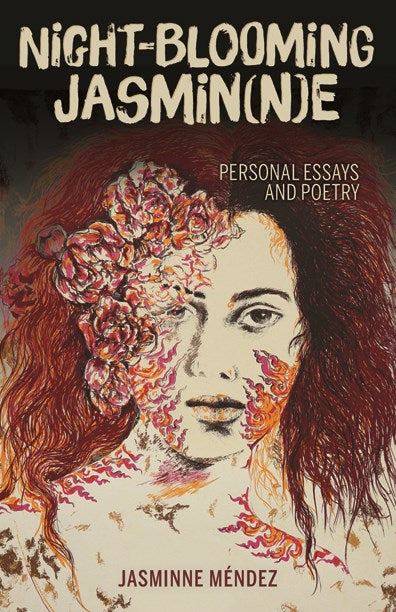
Night-Blooming Jasmin(n)e
by Jasminne Mendez
$16.95The daughter of Dominican immigrants, Méndez marshals pathos and outrage to depict the ironic circumstances of her life as she begins to disconnect from her overly protective parents. But tragic illness—she was diagnosed with scleroderma at 22 and lupus just six years later—and unexpected twists of fate not only bring her closer to her Latino cultural roots, her doting mother and strict father, but also drive her to transform pain and disappointment into art. Méndez’s incisive self-analysis takes her creativity from an obscure, dark place into full resplendent bloom.
In this stirring collection of personal essays and poetry, Méndez shares her story, writing about encounters with the medical establishment, experiences as an Afro Latina and longing for the life she expected but that eludes her. - Constructing A Nervous System
![Constructing A Nervous System]()
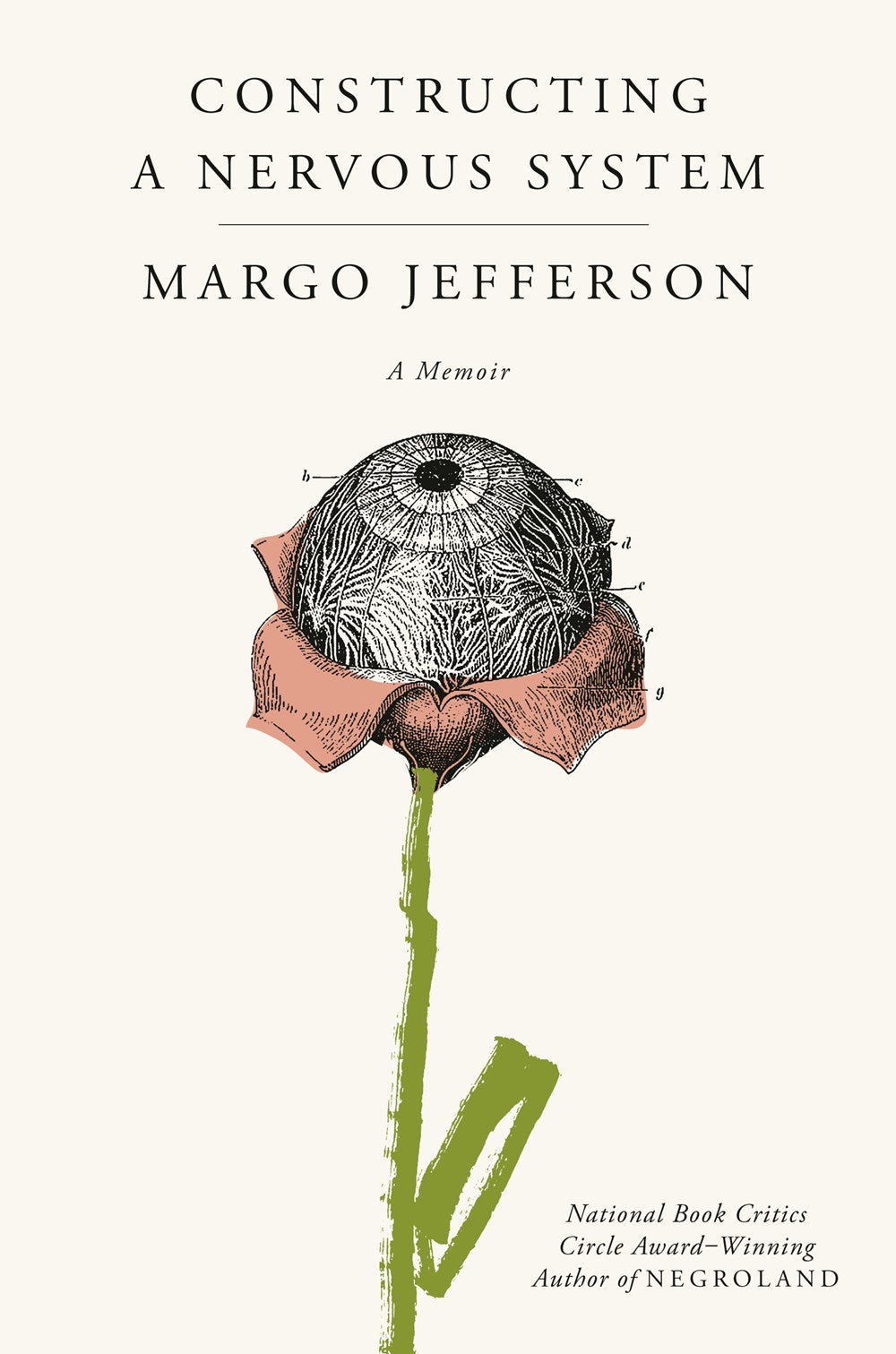
Constructing A Nervous System
by Margo Jefferson
$27.00*ships/available for pickup in 7-10 business days
Stunning for her daring originality, the author of Negroland gives us what she calls “a temperamental autobiography,” comprised of visceral, intimate fragments that fuse criticism and memoir.
Margo Jefferson constructs a nervous system with pieces of different lengths and tone, conjoining arts writing (poem, song, performance) with life writing (history, psychology). The book’s structure is determined by signal moments of her life, those that trouble her as well as those that thrill and restore. In this nervous system:
• The sounds of a black spinning disc of a 1950s jazz LP as intimate and instructive as a parent’s voice.
• The muscles and movements of a ballerina, spliced with those of an Olympic runner: template for what a female body could be.
• Harriet Beecher Stowe’s Topsy finds her way into the art of Kara Walker and the songs of Cécile McLorin Salvant.
• Bing Crosby and Ike Turner become alter egos.
• W. E. B. DuBois and George Eliot meet illicitly, as he appropriates lines from her story The Lifted Veil to write his famous “behind the veil” passages in The Souls of Black Folk.
• The words of multiple others (writers, singers, film characters, friends, family) act as prompts and as dialogue.
The fragments of this brilliant book, while not neglecting family, race, and class, are informed by a kind of aesthetic drive: longing, ecstasy, or even acute ambivalence. Constructing a nervous system is Jefferson’s relentlessly galvanizing mise-en-scène for unconventional storytelling as well as a platform for unexpected dramatis personae. - Four Generations: The Joyner/Giuffrida Collection of Abstract Art
![Four Generations: The Joyner/Giuffrida Collection of Abstract Art]()
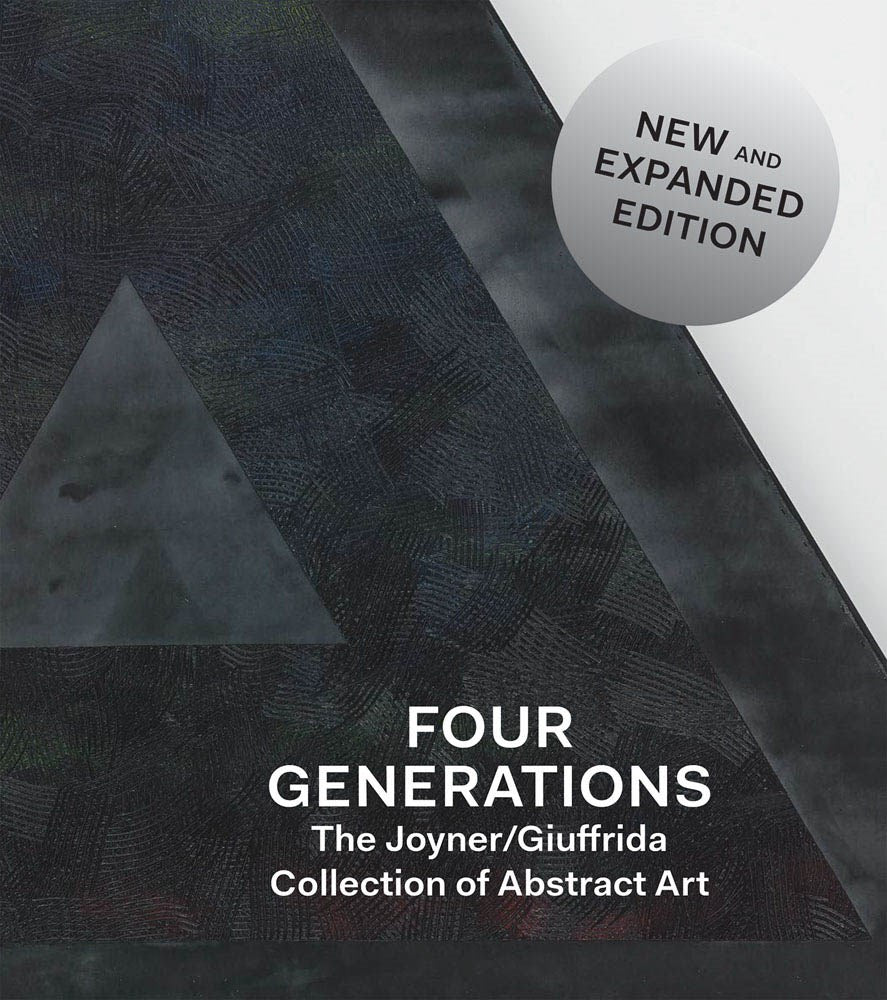
Four Generations: The Joyner/Giuffrida Collection of Abstract Art
$55.00*ship in 7-10 business days
The Joyner/Giuffrida Collection of Abstract Art is widely recognized as one of the most significant collections of modern and contemporary work by artists of the African diaspora and from the continent of Africa itself. Four Generations: The Joyner/Giuffrida Collection of Abstract Art draws upon the collection's unparalleled holdings to explore the critical contributions made by Black artists to the evolution of visual art in the 20th and 21st centuries.
This revised and expanded edition updates Four Generations with several new texts and nearly 100 images of works that have been added to the collection since the initial publication of this influential and widely praised book. Lavishly illustrated and featuring important contributions by leading art historians, critics, and curators, Four Generations gives an essential overview of some of the most notable Black artists and movements of the past century, and their approaches to abstraction in its various forms. Filled with countless insights and visual treasures, Four Generations is a journey through the momentous legacy of postwar art of the African diaspora.
Artists include: Firelei Báez, Romare Bearden, Kevin Beasley, Zander Blom, Mark Bradford, Leonardo Drew, Sam Gilliam, David Hammons, Isaac Julien, Jacob Lawrence, Norman Lewis, Glenn Ligon, Julie Mehretu, Oscar Murillo, Christina Quarles, Robin Rhode, Lorna Simpson, Shinique Smith, Alma Thomas, Kara Walker, Jack Whitten, Lynette Yiadom-Boakye and many others.
Rarely is a monograph on a private collection as revelatory as this—what an extraordinary, rich body of work is packed into these pages. The achievements of the artists, as well as their conceptual and formal daring, leave no doubt that a new page on American art is about to be opened." –Okwui Enwezor - Black Feminism Reimagined
![Black Feminism Reimagined]()
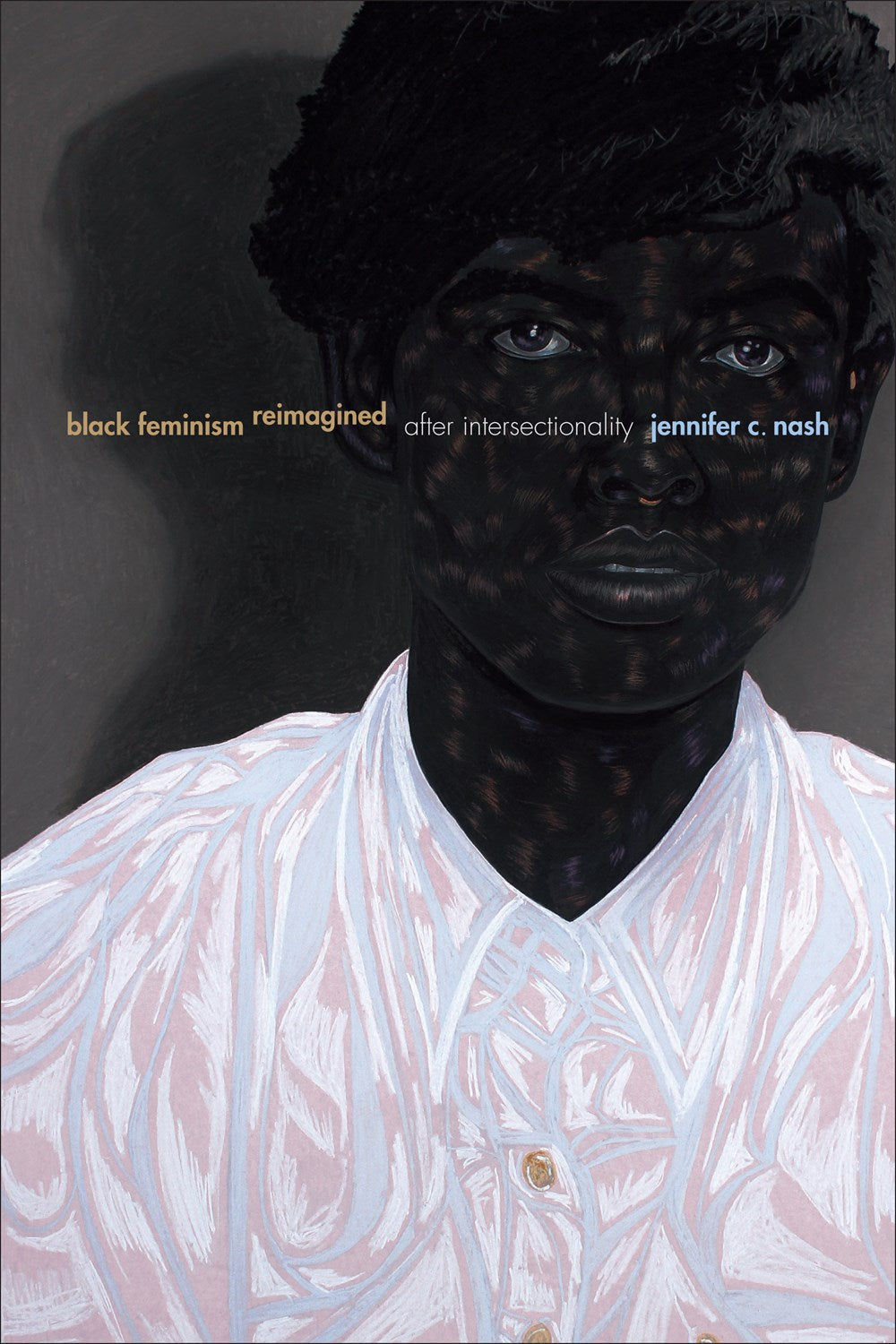
Black Feminism Reimagined
by Jennifer C. Nash
$24.95*ship in 7-10 business daysJennifer C. Nash reframes black feminism's engagement with intersectionality, contending that black feminists should let go of their possession and policing of the concept in order to better unleash black feminist theory's visionary and world-making possibilities.
In Black Feminism Reimagined Jennifer C. Nash reframes black feminism's engagement with intersectionality, often celebrated as its primary intellectual and political contribution to feminist theory. Charting the institutional history and contemporary uses of intersectionality in the academy, Nash outlines how women's studies has both elevated intersectionality to the discipline's primary program-building initiative and cast intersectionality as a threat to feminism's coherence. As intersectionality has become a central feminist preoccupation, Nash argues that black feminism has been marked by a single affect—defensiveness—manifested by efforts to police intersectionality's usages and circulations. Nash contends that only by letting go of this deeply alluring protectionist stance, the desire to make property of knowledge, can black feminists reimagine intellectual production in ways that unleash black feminist theory's visionary world-making possibilities. - Just Mercy
![Just Mercy]()
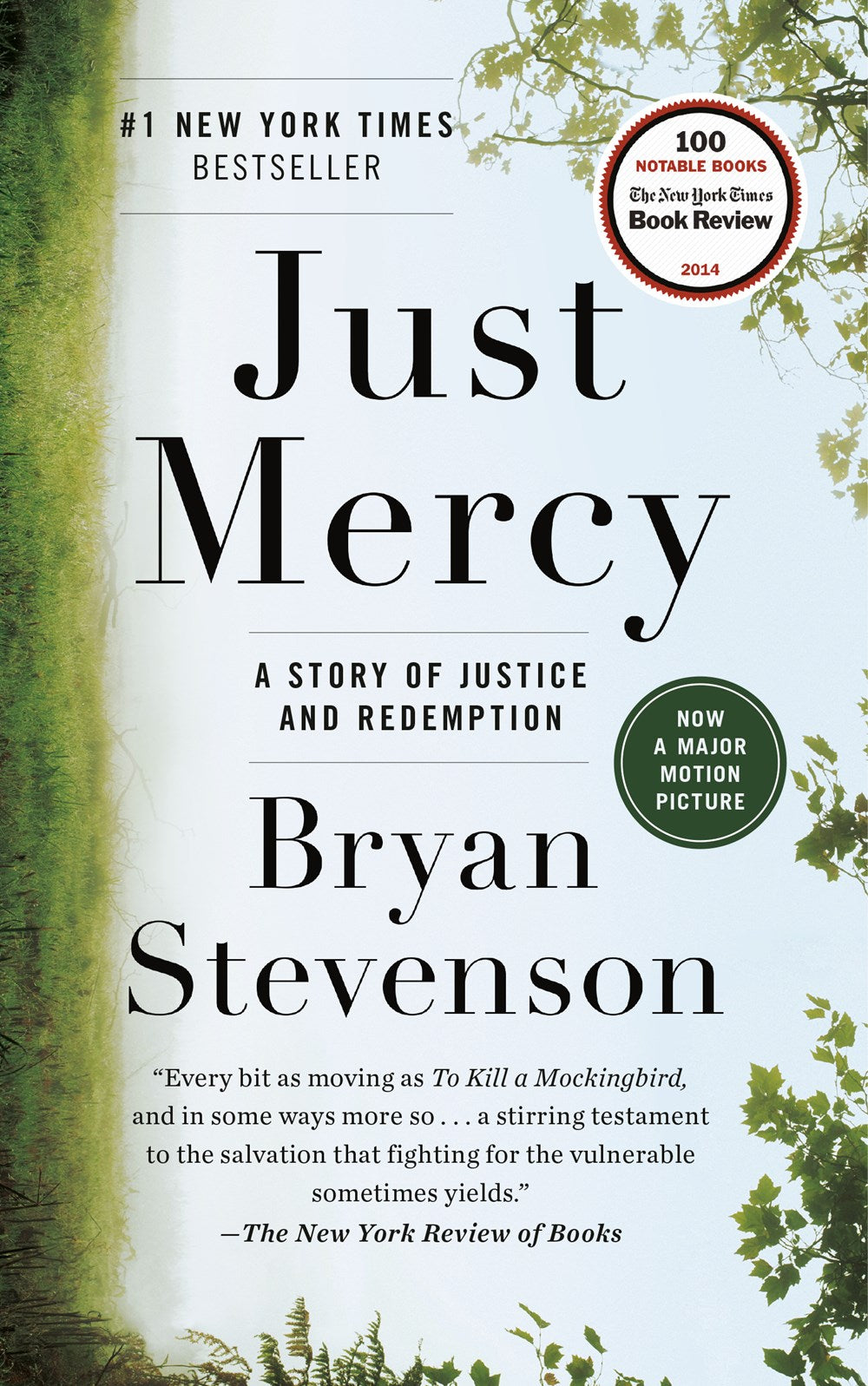
Just Mercy
by Bryan Stevenson
$18.00*Ships in 7-10 Business Days*
New York Times bestseller. From one of the country’s most visionary legal thinkers, social justice advocates, and MacArthur “genius,” this is an intimate and unforgettable narrative journey into the broken American criminal justice system.
When Bryan Stevenson graduated from Harvard Law School in 1988, he headed south to Alabama, a state on the verge of a crisis: the state was speeding up executions, but many of the condemned lacked anyone to represent them. On a shoestring budget he started the Equal Justice Initiative, a law practice dedicated to defending some of America’s most rejected and marginalized people. Among the first cases he took on was that of Walter McMillian, a black man from Harper Lee’s hometown of Monroeville who was sentenced to die for a notorious murder he insisted he didn’t commit. The case would change Bryan’s life and transform his understanding of justice and mercy forever. Just Mercy is the story of the education of a young lawyer fighting on the frontlines of a country in thrall to extreme punishments and careless justice. It follows the suspenseful battle to free Walter before the state executed him, while also telling other dramatic and profoundly moving stories of men, women, and children, innocent and guilty, who found themselves at the mercy of a system often incapable of showing it. This is a exquisitely rendered account of a heroic advocate’s fights on behalf of the most powerless people in our society and a powerful indictment of our broken justice system. - Better, Not Bitter
![Better, Not Bitter]()
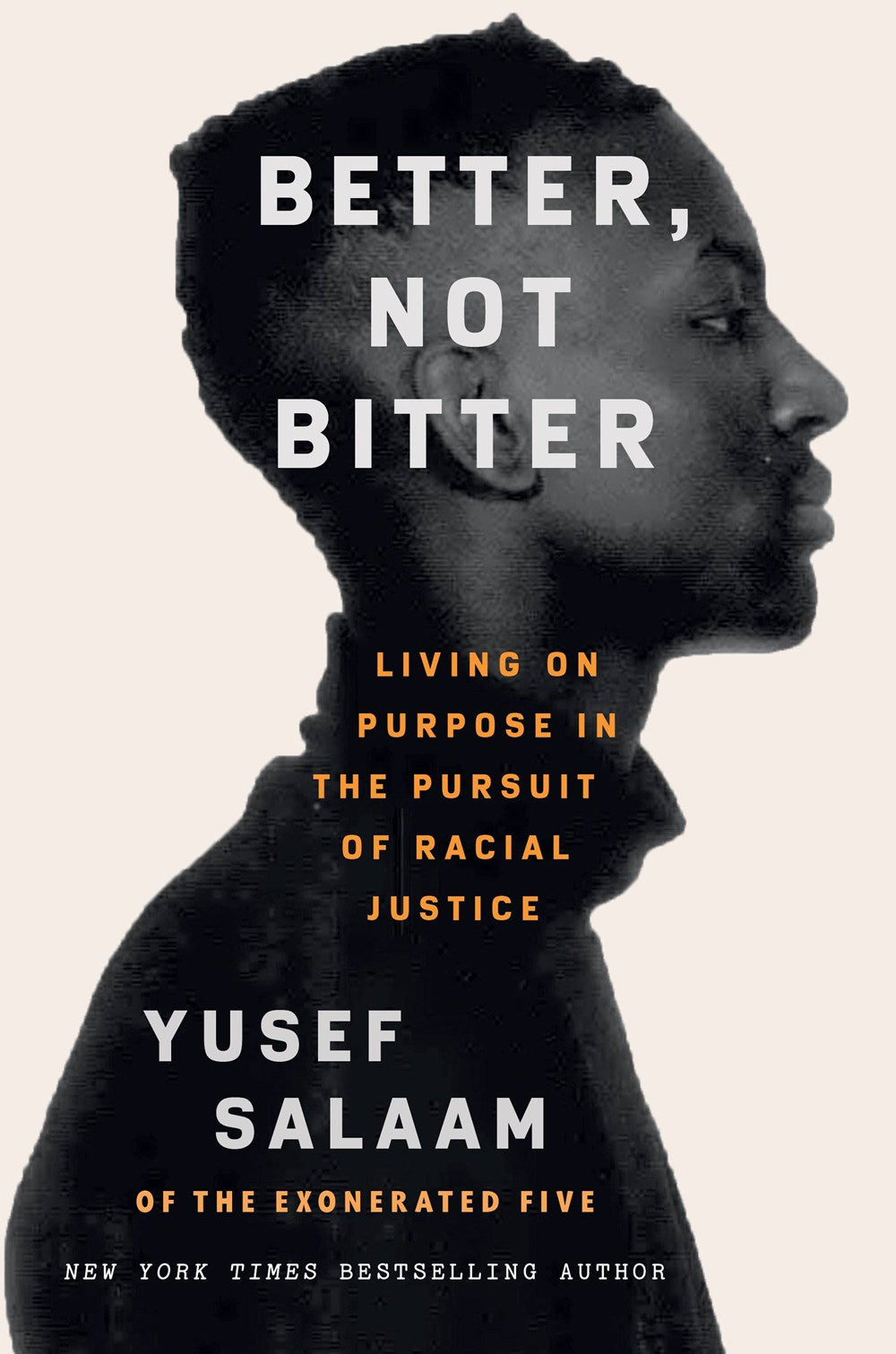
Better, Not Bitter
by Yusef Salaam
$28.00*ships in 7-10 business days*
Better Not Bitter is the first time that one of the now Exonerated Five is telling his individual story, in his own words. Yusef writes his narrative: growing up Black in central Harlem in the '80s, being raised by a strong, fierce mother and grandmother, his years of incarceration, his reentry, and exoneration. Yusef connects these stories to lessons and principles he learned that gave him the power to survive through the worst of life's experiences.
- This Is How We Win: A Guide to Building Working-Class Uprisings
![This Is How We Win: A Guide to Building Working-Class Uprisings cover image]()

This Is How We Win: A Guide to Building Working-Class Uprisings
Sold outThe most powerful force in the world isn't billionaires or governments. It's working people who decide to act together.
This Is How We Win documents what happens when people use that power. It opens with Minnesota's January 2026 economic shutdown, when unions and community organizations united to force ICE out of the state. It zooms out to the global history of general strikes that have toppled dictators and won workers the eight-hour day. And through firsthand testimony, labor history, and on-the-ground reporting, it draws practical lessons from the organizers and workers who are building our collective future.
Regular people have always had the power to stop business as usual and transform our conditions by withdrawing our labor and our consent. For anyone who has ever felt the weight of a system that wasn't built for them: our solidarity carries the seeds of a better world.
Contributors include Saqib Bhatti, Nah'shon Blount, Matthew Cunningham-Cook, Stacy Davis Gates, Abdelhakim Elayan, Luis Feliz Leon, Feben Ghilagaber, Katie Giede, Marcia Howard, Wol-san Liem, Greg Nammacher, Hamilton Nolan, Jeff Schuhrke, Anonymous Target Worker, Claire Wahmanholm, Tony Williams, and Ash-Lee Woodard Henderson.
- Hoodoo for Everyone: Modern Approaches to Magic, Conjure, Rootwork, and Liberation
![Hoodoo for Everyone: Modern Approaches to Magic, Conjure, Rootwork, and Liberation cover image]()

Hoodoo for Everyone: Modern Approaches to Magic, Conjure, Rootwork, and Liberation
$18.95A beginner’s guide to an inclusive Hoodoo practice--history, spellwork, folklore, and herbs
Hoodoo is a folklore tradition that was created by and for enslaved African Americans in the southern United States. And before there were honey jars, red brick dust, and everything else you may associate with Hoodoo, there was the need to be free.
This is not the #kitchenwitch Hoodoo you’ve seen on social: it’s magic for those who seek liberation and healing, for those who have been hurt, misunderstood, or cast aside. This is Hoodoo, updated: history, foundations, spellwork, and spiritual guidance made accessible to everyone, inclusive of all backgrounds and genders.
Written with three guiding Hoodoo tenets--Intention, Faith, and Direction--in mind, Hoodoo for Everyone offers everything you need to know about the practice: rituals, conjure, rootwork, divination, herbs, plants, and ancestor work.
Shone’s modern Hoodoo also goes in-depth into discussions of gender, religion, and cultural appropriation. She answers the questions:
• Is Hoodoo the same as Voodoo, Lucumi, or Santeria?
• How do I connect to an ancestor if I don’t know my family’s history?
• Is Hoodoo accessible to queer folks?
• Can I practice Hoodoo even if I’m agnostic or Christian?
• How can I practice Hoodoo respectfully and with sensitivity?With spells and verses organized by topic and a list of spices, herbs, and spellwork objects, Hoodoo for Everyone is for all readers called to Hoodoo, new and experienced alike. For anyone seeking a natural spiritual practice, a connection to their history, or a deeper connection to non-judgmental life energy, Shone offers a comprehensive guide to manifesting deliverance through Hoodoo magic.
- Capitalism & Slavery
![Capitalism & Slavery cover image]()

Capitalism & Slavery
$28.95Slavery helped finance the Industrial Revolution in England. Plantation owners, shipbuilders, and merchants connected with the slave trade accumulated vast fortunes that established banks and heavy industry in Europe and expanded the reach of capitalism worldwide. Eric Williams advanced these powerful ideas in Capitalism and Slavery, published in 1944. Years ahead of its time, his profound critique became the foundation for studies of imperialism and economic development. Binding an economic view of history with strong moral argument, Williams’s study of the role of slavery in financing the Industrial Revolution refuted traditional ideas of economic and moral progress and firmly established the centrality of the African slave trade in European economic development. He also showed that mature industrial capitalism in turn helped destroy the slave system. Establishing the exploitation of commercial capitalism and its link to racial attitudes, Williams employed a historicist vision that set the tone for future studies.
William A. Darity Jr.’s new foreword highlights Williams’s insights for a new generation of readers, and Colin Palmer’s introduction assesses the lasting impact of Williams’s groundbreaking work and analyzes the heated scholarly debates it generated when it first appeared.
- Black Curators Matter: Conversations on Art and Change
![Black Curators Matter: Conversations on Art and Change cover image]()

Black Curators Matter: Conversations on Art and Change
Sold outSelected as one of Hyperallergic’s 15 Art Books We’re Excited to Read in 2026
This book chronicles the transformative impact of Black curators on American art museums since the 1970s as told by visionaries at the forefront of the change.
The relationship between Black Americans and U.S. art museums has historically been fraught and hard-won. In the late 1960s, the Black Emergency Cultural Coalition and other groups organized protests at major art museums, calling for the inclusion of Black artists and curators. Such advocacy led to acquisitions and exhibitions by Black artists at important institutions and spurred the establishment of museums and cultural organizations promoting Black art and culture. Today, Black curators hold significant positions at institutions nationwide. Black Curators Matter illuminates this critical history by spotlighting figures who have transformed the art world since the 1970s.
This book presents illuminating conversations between six pioneering curators―Lowery Stokes Sims, Deborah Willis, Richard J. Powell, Kellie Jones, Thelma Golden, and Franklin Sirmans―and a new generation of professionals, including Ashley James, Kalia Brooks, Aaron Bryant, Thomas Jean Lax, Rujeko Hockley, and LeRonn P. Brooks. Capturing the voices and experiences of Black curators, these discussions highlight their achievements and provide guidance for future generations aiming to diversify and enrich the cultural landscape. This volume reexamines the curatorial field to reveal the transformative strategies, critical interventions, and boundary-breaking exhibitions that reshaped American art museums toward greater inclusivity and experimentation.
- Afroindigenization: A Theory of Grassroots Cultural Practice (The Religious Cultures of African and African Diaspora People)
![Afroindigenization: A Theory of Grassroots Cultural Practice (The Religious Cultures of African and African Diaspora People) cover image]()

Afroindigenization: A Theory of Grassroots Cultural Practice (The Religious Cultures of African and African Diaspora People)
Sold outIn Afroindigenization, Catherine A. John addresses the underbelly of spiritual resilience shaping a range of African diasporic institutions, traditions, and practices. John argues that repressed forms of indigenous African knowledge systems manifest in a myriad of culturally embodied ways in African diaspora spaces and places. From mermaid lore in rural Jamaica to hip-hop trance-induced dance in Los Angeles to the stories of two debaters-turned-social-media-influencers, John shows how the descendants of enslaved Africans express the signs and substance of their afroindigenous power through collective creativity. Drawing from scholars such as Vèvè Clark, Hortense Spillers, Dianne M. Stewart, and Sylvia Wynter, Afroindigenization exposes the cultural and spiritual ancestries that lie at the heart of modern Black identities and practices.
- Infectious Madness
![Infectious Madness cover image]()

Infectious Madness
Sold outA groundbreaking look at the connection between germs and mental illness, and how we can protect ourselves.
Is it possible to catch autism or OCD the same way we catch the flu? Can a child's contact with cat litter lead to schizophrenia? In her eye-opening new book, National Book Critics Circle Award-winning author Harriet Washington reveals that we can in fact "catch" mental illness. In Infectious Madness, Washington presents the new germ theory, which posits not only that many instances of Alzheimer's, OCD, and schizophrenia are caused by viruses, prions, and bacteria, but also that with antibiotics, vaccinations, and other strategies, these cases can be easily prevented or treated.
Packed with cutting-edge research and tantalizing mysteries, Infectious Madness is rich in science, characters, and practical advice on how to protect yourself and your children from exposure to infectious threats that could sabotage your mental and physical health.
- Splendor: Trans Poets (Calico Series, 14)
![Splendor: Trans Poets (Calico Series, 14) cover image]()

Splendor: Trans Poets (Calico Series, 14)
$17.00Introducing readers to five trans and nonbinary poets Splendor is an ode to queer bodies, with previously unpublished translations from Argentina, Denmark, Korea, Norway, and Quebec. From the irreverent and irresponsible to the quiet and meditative these poems decentralize our ideas of trans experience and poetics.
Splendor presents a sliver of the wide possibilities of what trans literature can offer. This is trans literature that transcends borders and binaries in order to engaging with a messy world. As Camila Sosa Villada writes, “Let us keep loving one another in this swamp of contradictions.”
- Finding Refuge: Heart Work for Healing Collective Grief
![Finding Refuge: Heart Work for Healing Collective Grief cover image]()

Finding Refuge: Heart Work for Healing Collective Grief
$17.95Learn how to process your own grief--as well as family, community, and global grief--with this fierce and openhearted guide to healing in an unjust world.
In unsettling and uncertain times, the individual and collective heartbreak that lives in our bodies and communities can feel insurmountable. Many of us have been conditioned by the dominant culture to not name, focus on, or wade through the difficulties of our lives. But in order to heal, we must make space for grief and prioritize our wholeness, our humanity, and our inherent divinity.
In Finding Refuge, social justice activist, social worker, and yoga teacher Michelle Cassandra Johnson offers those who feel brokenhearted, helpless, confused, powerless, and desperate the tools they need to be present with their grief while also remaining openhearted. Through powerful personal narrative and meditation and journaling practices at the end of each chapter that explore being present with your heart, Michelle empowers us to see that each of us has a role to play in building enough momentum to take intentional action and shift what is unsettled and unjust in the world. Finding Refuge is an invitation to pick up the shattered parts of yourself and remember your strength, wholeness, and sacredness through this practice of presence and attending to your grief.
- Black Crip Modern: Race, Gender, and the Roots of Disability Consciousness
![Black Crip Modern: Race, Gender, and the Roots of Disability Consciousness cover image]()

Black Crip Modern: Race, Gender, and the Roots of Disability Consciousness
$30.00Asserts how Black artists and activists developed a disability consciousness in response to racialized disabling experiences in the early to mid-twentieth century
Black Crip Modern uncovers how early twentieth-century Black writers, artists, and activists laid the groundwork for modern disability consciousness. Under Jim Crow, Black disabled citizens were excluded from social services and medical reforms, even as racist violence, carceral surveillance, eugenic logic, and exploitative labor conditions deepened disabling experiences. Through literature, film, photography, and personal testimony, Black modernists registered these compounded injustices and articulated new ways of thinking about illness, impairment, and care.
Engaging the work of figures such as Zora Neale Hurston, Claude McKay, Wallace Thurman, Pauli Murray, Langston Hughes and Marita Bonner, Jess Waggoner traces how Black cultural production challenged both white supremacy and ableist ideals of progress. In their writing, Waggoner finds an early “Black crip modern” consciousness―one that rejected eugenic reform, critiqued racialized caregiving hierarchies, and envisioned collective care grounded in feminist and anti-carceral principles.
In conversation with contemporary disability justice movements, Black Crip Modern reveals how Black thinkers and artists forged a disability politics before it was formally named. By assembling these overlooked histories of Black ill and disabled life, Waggoner reframes the foundations of disability studies and insists that Black cultural production has always been central to the struggle for bodily autonomy, access, and justice.
- Expecting Inequity: How the Maternal Health Crisis Affects Even the Wealthiest Black Americans
![Expecting Inequity: How the Maternal Health Crisis Affects Even the Wealthiest Black Americans cover image]()

Expecting Inequity: How the Maternal Health Crisis Affects Even the Wealthiest Black Americans
$32.95An unsettling exploration of the persistence of racism in reproductive healthcare in the US—and why even affluent Black women are imperiled by substandard care.
From a leading expert on race, class, maternal health, and reproductive rights.
Racism in maternal healthcare is not reserved for the poor. An unsparing picture of inequities in prenatal care and childbirth in the United States, Expecting Inequity reveals that not only are black people three to four times more likely to die from a pregnancy-related cause, but racial disparities in maternal mortality persist across income levels. That is, wealthier black people are much more likely to die during pregnancy, childbirth, or the postpartum period than their white counterparts. Focusing on a San Francisco obstetrics clinic that caters to the affluent, Khiara Bridges looks at the choices around prenatal care and childbirth that class-privileged, pregnant black people are making in order to survive what has been called the “black maternal health crisis.”
Bridges, whose previous work exposed how race and racism are embedded in maternal healthcare for the poor, draws on two years of participant-observation to show how wealthier black people try to leverage their class privilege to avoid some of the negative effects of their blackness—only to discover that in a country that has never reckoned with its horrific racial past, there is no escaping racism’s reach. Throughout the book, engaging, heartbreaking, infuriating stories of women’s experiences with pregnancy and prenatal care illustrate how race and racism matter regardless of wealth or status.
- Collective Courage: A History of African American Cooperative Economic Thought and Practice
![Collective Courage: A History of African American Cooperative Economic Thought and Practice cover image]()

Collective Courage: A History of African American Cooperative Economic Thought and Practice
Sold outFirst published in 2014, Jessica Gordon Nembhard’s Collective Courage quickly became an important tool for understanding the history of cooperative economic enterprises in the African American community. This now-classic work recounts how African Americans benefited greatly from cooperative ownership and democratic economic participation throughout the nation’s history.
Many of the players in this story are well known―among them W. E. B. Du Bois; A. Philip Randolph and the Ladies’ Auxiliary to the Brotherhood of Sleeping Car Porters; Nannie Helen Burroughs; Fannie Lou Hamer; Ella Jo Baker and George Schuyler of the Young Negroes’ Co-operative League; the Federation of Southern Cooperatives; and the Black Panther Party. Drawing on media reports and co-op records, Gordon Nembhard uncovers the challenges they faced and highlights their hard-won victories.
This tenth anniversary edition of Collective Courage features a substantial preface that expands on material in the first edition and addresses the development of the Black co-op movement through the second decade of the twenty-first century. It remains an indispensable resource for readers interested in the history of the struggle for African American economic freedom and equity.
- Liberation Stories: Building Narrative Power for 21st-Century Social Movements
![Liberation Stories: Building Narrative Power for 21st-Century Social Movements cover image]()

Liberation Stories: Building Narrative Power for 21st-Century Social Movements
$34.99From an international cast of leading activist communicators, a timely and instructive handbook for telling stories that change the world
The twenty-first century has seen a profound shift in the global sociopolitical and economic landscape, shaped by seismic interventions ranging from the War on Terror to the COVID-19 pandemic. Between 2000 and 2024, social movements like Black Lives Matter, #MeToo, climate justice, the Fight for $15, Palestine liberation, health care for all, and queer and trans resistance have illuminated a new narrative—one rooted in an inclusive vision of society, driven by a newly politicized and radicalized generation. This shift did not happen by chance. Movement workers have meticulously crafted communications and narrative strategies, honing their political messaging and storytelling to seize narrative power in today’s struggles.
In Liberation Stories, today’s foremost progressive and leftist communicators, organizers, artists, journalists, and academics share their collective wisdom in one powerful volume. Featuring in-depth case studies of both contemporary and historical movements, Liberation Stories distills successful theories, strategies, and tactics for anyone wanting to understand—and participate in—the diverse initiatives currently shaping our society.
As far-right and conservative movements gain traction worldwide—attacking our books, our bodies, and our democracies—Liberation Stories emerges as a vital resource for constructing the world we envision, one story at a time.
- White Shoes
![White Shoes cover image]()

White Shoes
Sold outWhite Shoes is a collection of self-portraits taken in locations around New York that were central to the city’s once pivotal – and now largely obscured and unacknowledged – involvement in the slave trade. Nona Faustine depicts herself at the sites of slave auctions, burial grounds, slave-owning farms, and the coastal locations where slave ships docked, posing nude apart from a pair of white high-heeled shoes. Documenting herself in places where history becomes tangible, Faustine acts as a conduit or receptor, in solidarity with people whose names and memories have been lost but are embedded in the land. Through quiet but defiant self-representation, Faustine responds to a history of depiction of Black people that is shaped by subjugation, phrenology, and pseudo-science. Her complex large-format images refer and respond to a range of sources including daguerrotypes of slaves and photographs commissioned by naturalists, while her nudity ― expressive of fearless self-possession as well as vulnerability – subverts the legacy of Black and female nudes in Western art. Running throughout the images, the talismanic white shoes that give the series its name suggest the many adaptations to dominant White culture that were and are still demanded of people of colour. At once historical and speculative, White Shoes confronts the relationship between the visible and invisible, between what is displayed and what is kept from view. Includes newly commissioned texts by Pamela Sneed, Jessica Lanay, Jonathan Michael Square and Seph Rodney, together with an interview of the artist by Jessica Lanay.
- Envisioning Emancipation: Black Americans and the End of Slavery
![Envisioning Emancipation: Black Americans and the End of Slavery cover image]()

Envisioning Emancipation: Black Americans and the End of Slavery
$24.95The Emancipation Proclamation is one of the most important documents in American history. As we commemorate its 150th anniversary, what do we really know about those who experienced slavery?
In their pioneering book, Envisioning Emancipation, renowned photographic historian Deborah Willis and historian of slavery Barbara Krauthamer have amassed 150 photographs—some never before published—from the antebellum days of the 1850s through the New Deal era of the 1930s. The authors vividly display the seismic impact of emancipation on African Americans born before and after the Proclamation, providing a perspective on freedom and slavery and a way to understand the photos as documents of engagement, action, struggle, and aspiration.
Envisioning Emancipation illustrates what freedom looked like for black Americans in the Civil War era. From photos of the enslaved on plantations and African American soldiers and camp workers in the Union Army to Juneteenth celebrations, slave reunions, and portraits of black families and workers in the American South, the images in this book challenge perceptions of slavery. They show not only what the subjects emphasized about themselves but also the ways Americans of all colors and genders opposed slavery and marked its end.
Filled with powerful images of lives too often ignored or erased from historical records, Envisioning Emancipation provides a new perspective on American culture.
- The Wound Is Where the Light Enters: A Memoir of Resilience
![The Wound Is Where the Light Enters: A Memoir of Resilience cover image]()

The Wound Is Where the Light Enters: A Memoir of Resilience
$29.00The inspiring memoir of a brilliant young man who, sentenced to life in prison, refused to surrender his future—a story so powerful that it transformed even the judge who handed down the sentence.
If our world were more just, Chris Young would have been crossing a stage at college graduation at the age of 22. Instead, he was marched into a maximum-security federal prison, facing life under mandatory drug sentencing laws. Like far too many young Black men from his neighborhood in Clarksville, Tennessee, this was where his story was supposed to end.
But one day in the prison library, a book caught his eye: an encyclopedia. As he began to turn the pages, Chris felt himself transported. Knowledge became a portal. He began to confront the nihilism around him, the trauma of his past, and the cruelty of a system determined to confine him. From the library, his cell, and even solitary confinement, Chris built an education from scratch, studying philosophy, art, anthropology, history, physics, and politics. He learned to analyze the stock market and taught himself how to code without a computer. He trained his mind—and refused to let prison dictate the limits of his imagination. At his sentencing hearing, Chris gave such a moving speech that the judge resigned from his lifetime appointment to the bench and fought to free him.
Started in solitary confinement and finished beyond bars, The Wound Is Where the Light Enters is a powerful meditation on choice, consequence, and human potential, told through the story of a man who was never given a chance—and who fought until, at last, he was. - Everyday Sh!t: Notes on Abolition and Reconstruction (Abolition Collective)
![Everyday Sh!t: Notes on Abolition and Reconstruction (Abolition Collective) cover image]()

Everyday Sh!t: Notes on Abolition and Reconstruction (Abolition Collective)
Sold outThe inaugural issue of the movement-focused and future-forward Abolition Journal quarterly after it was relaunched by the Philadelphia-based Abolition School.
This pilot issue of the revived Abolition Journal is produced by the Philadelphia-based W.E.B. Du Bois Movement School for Abolition & Reconstruction. It brings together two dozen urgent and timely interventions in political debates around abolition and aims to show how this abstract idea manifests itself in our daily lives.
These interventions, authored by a diverse cast of contributors, including academics and attorneys, so-called felons and physicians, artists and educators, and parents, playwrights and poets, explore the everyday experiences that come with trying to live out an abolitionist politics. In the words of the editors, these experiences include “the daily victories and errands, reflections and runarounds, gestures and drama, habits and heartbreaks, setbacks and surrenders, excuses and evasions, breakdowns and breakthroughs.”
The issue curates a variety of content, including political essays, short stories, poetry, interviews, and speeches, each resonating and reflecting in their own unique way on the central theme “Everyday Sh!t.” They offer thoughts and reflections on structure, practice, care, and direction to deepen existing movement knowledge and invite new audiences to see themselves mirrored within this work.
Without exception, these are stories of sincere experience mixed with radical poetic visions culled from the issue contributors’ plurality of pasts, presents, and prefigurative futures. Grounded in Philadelphia, yet looking out onto the whole wide world, Abolition Journal aims to reflect the lived complexity that can be messy and self-defeating, but equally authentic and inspiring. - Take Me to Your Leader: Perspectives on Your First Alien Encounter
![Take Me to Your Leader: Perspectives on Your First Alien Encounter cover image]()

Take Me to Your Leader: Perspectives on Your First Alien Encounter
$26.00America’s favorite astrophysicist has written the most entertaining and universally appealing book of his stellar career: a practical guide for dealing with Alien visitors, an exploration of how it might happen, and a cultural history of our fascination with extraterrestrials.
“Ever since childhood,” writes Neil deGrasse Tyson, “I’ve wanted to be abducted by Aliens.”
Take Me to Your Leader is the culmination of a lifetime of fascination, speculation, and the amassing of scientific data about the possibility of Aliens visiting Earth. Drawing on a wealth of depictions from history, literature, pop culture, and film, Tyson applies the universal laws of physics to make the case for what Aliens might look like, act like, how they might travel through the universe to reach us, and what they might think of us upon arrival. Should such an event occur, Tyson further offers useful etiquette tips for your first close encounter.
If you’ve ever wondered why there are so many UFO sightings, or whether Aliens might already be among us, Tyson offers an informed perspective that is both factual and fun. Take Me to Your Leader is a tantalizing exploration of what would be the most mind-blowing experience of your life—the book for anyone who has ever wondered: Are we alone?
- Our Minds Were Always Free: A History of How Black Brilliance Was Exploited―and the Fight to Retake Control
![Our Minds Were Always Free: A History of How Black Brilliance Was Exploited―and the Fight to Retake Control cover image]()

Our Minds Were Always Free: A History of How Black Brilliance Was Exploited―and the Fight to Retake Control
$29.00An exploration of how African American innovators and artists—whose impact and financial value in American music, movies, and TV is disproportionately greater than their numbers—have fought for and often won the rights to own and benefit from their own work.
When we think about the things that have barred success for African Americans, intellectual property law is hardly the first thing that comes to mind, if we even think of it all. We certainly don’t think of it as the launching pad for building generational wealth in the Black community, so it follows that we don’t see our favorite pop stars as revolutionary race warriors.
African American artists have finally, belatedly, come to be the owners of their art and beneficiaries of the money their art makes, after centuries of producing life-changing art. There were hundreds and thousands of Bessie Smiths before we ever got Beyoncé or Kendrick Lamar.
Lisa E. Davis, one of the foremost entertainment attorneys in the country, traces the epic journey Black Americans have been on, from being claimed as property to claiming the benefits of intellectual property. As she notes, “Under slavery, our minds were always free, but there was no profit from what our minds created.”
Beginning in the 18th century with the drafting of the Constitution and ending in the 21st century with a warning about the role technology will play in creative industries, Our Minds Were Always Free tells the story of the indelible legacy of Black American genius and the struggle to receive the credit and the profit that they deserved.
- We Have Always Been Here: A Queer Muslim Memoir
![We Have Always Been Here: A Queer Muslim Memoir cover image]()

We Have Always Been Here: A Queer Muslim Memoir
$17.00How do you find yourself when the world tells you that you don't exist?
Samra Habib has spent most of their life searching for the safety to be themself. As an Ahmadi Muslim growing up in Pakistan, they faced regular threats from Islamic extremists who believed the small, dynamic sect to be blasphemous. From their parents, they internalized the lesson that revealing their identity could put them in grave danger.
When their family came to Canada as refugees, Samra encountered a whole new host of challenges: bullies, racism, the threat of poverty, and an arranged marriage. Backed into a corner, their need for a safe space--in which to grow and nurture their creative, feminist spirit--became dire. The men in Samra's life wanted to police them, the women in their life had only shown them the example of pious obedience, and their body was a problem to be solved.
So begins an exploration of faith, art, love, and queer sexuality, a journey that takes them to the far reaches of the globe to uncover a truth that was within them all along. A triumphant memoir of forgiveness and family, both chosen and not, We Have Always Been Here is a rallying cry for anyone who has ever felt out of place and a testament to the power of fearlessly inhabiting one's truest self.
- What (TF) Do I Do Now?: Reclaiming Myself, One Piece at a Time
![What (TF) Do I Do Now?: Reclaiming Myself, One Piece at a Time cover image]()

What (TF) Do I Do Now?: Reclaiming Myself, One Piece at a Time
$32.00The creator of the viral TikTok series “Who TF Did I Marry?” shares an even more unfiltered account of how she reclaimed herself, fought through toxic relationships, and regained her foundation through healing and deep self-reflection.
When Tareasa “Reesa Teesa” Johnson decided to disclose the full details of her turbulent marriage in a 50-part TikTok series, from first meeting to the finality of divorce, she hoped it would help at least one person from making similar mistakes. In a flash "Who TF Did I Marry?" went global, becoming a movement. Millions around the world were enraptured and identified with Tareasa's story, ultimately sharing their own experiences of heartbreak and deceit.
While “Who TF Did I Marry?” questioned the relationship, What (TF) Do I Do Now? probes deeper, asking “Where did I lose myself?” Through reflection, acceptance, and humor, Tareasa unravels even more details of what caused her to stay in a partnership where familiarity became too comfortable, and loneliness was a scarier proposition than owning her solitude. Tareasa’s indelible voice and keen perspective shares new, engrossing stories and practical insights as she regains her footing and her faith in herself, offering readers the chance to do the same.
Probing, personal, and incredibly relatable, What (TF) Do I Do Now? isn’t a self-help guide, but an empowering conversation with the reader, illuminating the courage it takes to trust yourself because healing is on the other side of pain.
- The Crooked Places Made Straight: Reflections on the Moral Meaning of America
![The Crooked Places Made Straight: Reflections on the Moral Meaning of America cover image]()

The Crooked Places Made Straight: Reflections on the Moral Meaning of America
$31.00Named a Most Anticipated Book of 2026 by The New York Times
From Senator Reverend Raphael G. Warnock, a sermon in the public square on the issues that plague us most
Senator Reverend Raphael G. Warnock is a transformational voice in Congress and the pastor of Martin Luther King, Jr.’s Ebenezer Baptist Church, and for the semiquincentennial of America, he exhorts us to reach for the highest and noblest aspects of our national character. Senator Warnock argues that we suffer not from a paucity of resources but from a poverty of moral imagination.
His sermon on the book of Isaiah draws from ideals resonant in his own faith and all the great faiths and other moral traditions, offering a bold vision of how to live and relate to one another in the land. A moral topography, he calls it, a geopolitics that centers love and justice, or as Dr. King would so often say, the beloved community. The Crooked Places Made Straight examines six crises at the center of American life: voting rights and voter suppression, gun violence, mass incarceration, the persistence of poverty, dark money in politics, and the climate emergency.
This is not a naive faith, either. As Senator Warnock writes: Isaiah is no stranger to frustration with institutional leadership. He knows well the perils of public corruption, sophisticated legalized bribery, and a political class more interested in preserving its own power than in serving the people. . . . He’s fed up with political leaders who are focused on their own gain at the expense of the people. “Your princes are rebels and companions of thieves,” he says.
For Senator Warnock, democracy is the political enactment of a spiritual idea. A vote is a kind of prayer. The Crooked Places Made Straight is his inspiring vision for a more just and equitable America where communities thrive with hope and possibility and every child has a chance.


Stay Informed. We're building a community committed to celebrating Black authors + artisans. Subscribe to keep up with all things Kindred Stories.